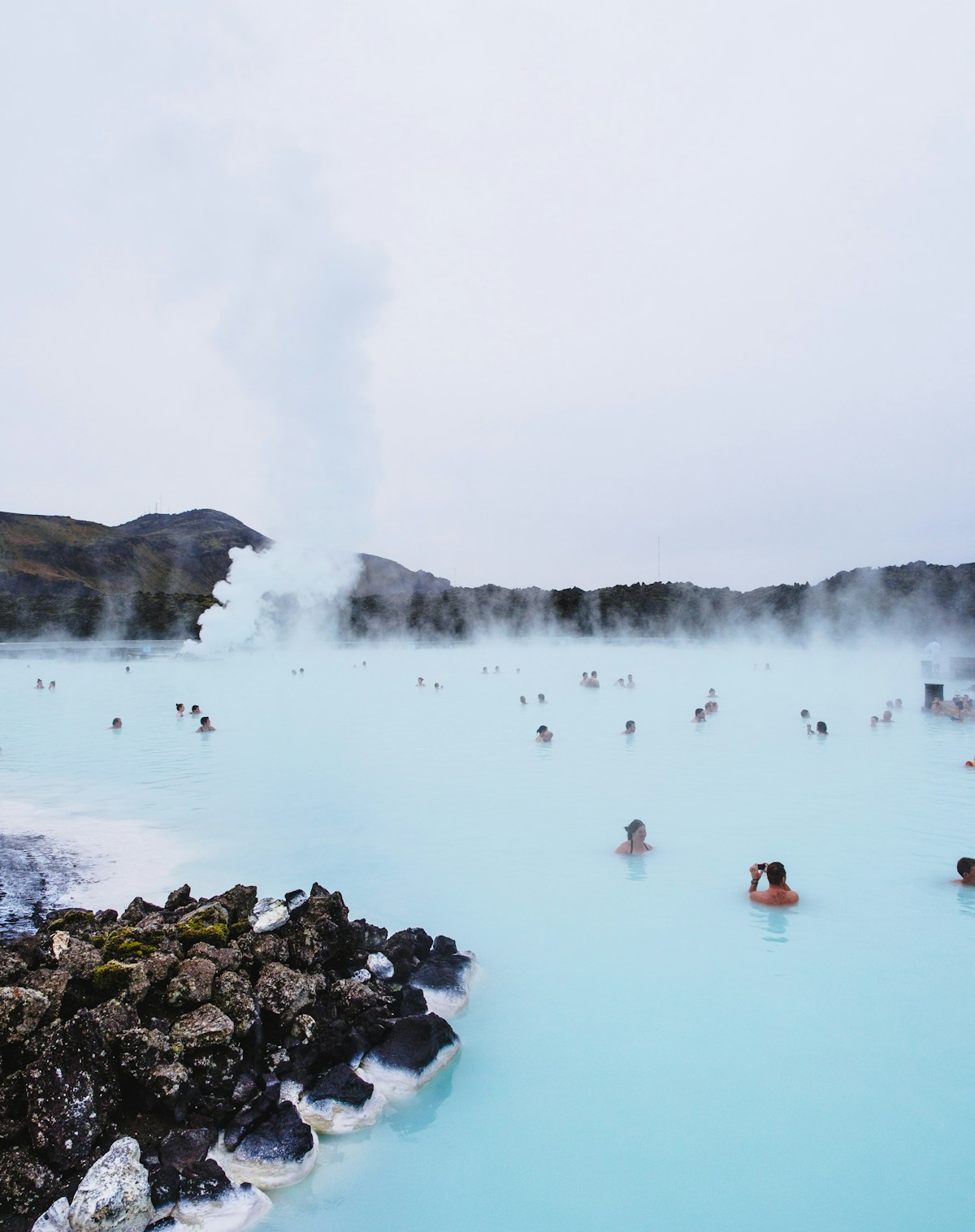
Iceland now has a significant new geothermal attraction. Reykjaböðin, a purpose-built geothermal bathing lagoon in the town of Hveragerði, opened on 7 September 2026 — just two days ago. The facility is located at the entrance to Reykjadalur, one of Iceland’s most visited geothermal valleys, and sits around 35 minutes by road from Reykjavík.
The ISK 4 billion (approximately US$28 million) project has been in development for more than five years and was originally scheduled to open on 1 September. The brief delay pushed the opening to this week.
What Reykjaböðin offers
The concept centres on the connection between the bathing experience and the landscape around it. The Hveragerði area is one of Iceland’s most active geothermal zones — steam vents, hot springs, and boiling mud pools are visible throughout the town and the valleys immediately behind it.
Reykjaböðin combines:
- Geothermal bathing pools at varying temperatures
- Sauna and cold-water rituals following Nordic bathhouse traditions
- A natural setting at the mouth of Reykjadalur, with views into the steaming valley
The design is described as a place to slow down rather than perform — no infinity-edge infinity pools photographed from above, but a considered space using the valley’s natural hot water and visual character as the main draw.
How it compares to existing options
Iceland already has several well-established geothermal bathing destinations. The Blue Lagoon near Grindavík remains the country’s most internationally recognised facility, though its proximity to the Reykjanes volcanic activity has periodically affected operations since 2023. The Sky Lagoon in Reykjavík offers a more urban, design-focused alternative.
Reykjaböðin sits in a different category: quieter, closer to a functioning geothermal valley rather than a purpose-built lava field facility, and positioned in a town rather than a remote landscape. Hveragerði has long been popular with Icelanders for its hot springs and market garden culture — Reykjaböðin formalises what was previously a more informal geothermal experience in the area.
Getting there
Hveragerði is straightforward to reach from Reykjavík. By road, take Route 1 east and follow signs for the town. Public buses serve the route regularly — check Strætó’s current timetable. The drive along the south coast also passes the Golden Circle region, which makes a natural combination if you are spending a full day out of the capital. For guided day trips from Reykjavík that combine Hveragerði with Golden Circle stops, see Reykjavík tours.
Timing your visit
September is an excellent month to visit Reykjaböðin. The northern lights season is underway, temperatures in Reykjavík average 7–9°C, and the Hveragerði valley takes on an atmospheric quality in the low autumn light. Tourist pressure has eased from the summer peak, and the combination of a new geothermal facility with reliable aurora conditions makes this a genuine reason to plan a trip before winter.
We will continue following Reykjaböðin’s opening as it settles in and visitor experiences accumulate. Check the official site for current entry prices, booking requirements, and seasonal hours before you visit.