Digital Nomad
Digital Nomad in Iceland: Working Remotely Guide
Working remotely in Iceland - Schengen 90-day limit, cost of living, coworking spaces, connectivity, and nomad life in Reykjavík.
Remote Work
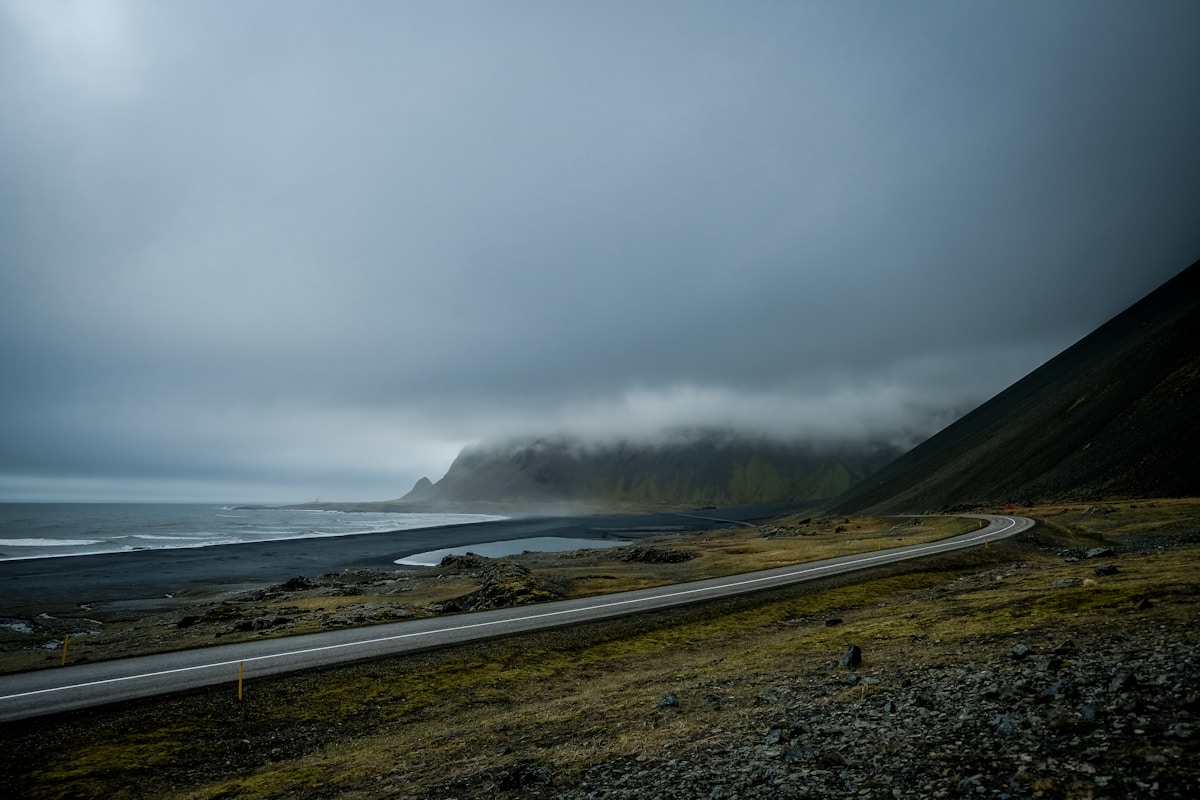
Iceland is not a cheap digital nomad destination: living costs in Reykjavík rival those of Scandinavia and London. But for remote workers who want to experience dramatic landscapes, midnight sun, and Northern Lights between work sessions, it can be worth the premium. The infrastructure is excellent: fast fibre internet is widespread, coworking spaces in Reykjavík are modern and well-equipped, and the quality of life is very high.
Iceland is part of the Schengen Area. Most non-EU nationalities can stay up to 90 days within a 180-day period without a visa. Iceland does not currently offer a dedicated digital nomad visa as of 2026. Check the Directorate of Immigration (utl.is) for current requirements.
Rough monthly budgets including mid-range accommodation, coworking or cafe, food, and transport. Figures in ISK as of 2026.
| City | Monthly Budget |
|---|---|
| Reykjavík | ISK 320,000–550,000 |
| Akureyri | ISK 240,000–380,000 |
Budget estimates based on 2026 conditions. Verify current exchange rates and prices before planning your stay.
Iceland is in the Schengen Area. Most non-EU passport holders get 90 days within 180 days: no visa required for many nationalities. No digital nomad visa exists as of 2026. For longer stays, EU/EEA workers may apply for residency; others need a work permit. Check utl.is for current rules.
Síminn and Vodafone Iceland have the best 4G/5G coverage. Tourist SIMs available at Keflavík Airport arrivals hall and all major supermarkets (approximately ISK 3,000–5,000 for 30-day data). eSIM options via Airalo work in Iceland: useful if you want to activate before landing.
Reykjavík has reliable fibre internet in most accommodation. Coworking spaces include Innovation House (ISK 3,500–5,000/day), Mjólkurbúðin, and Work Hub. Many cafes also have solid Wi-Fi. Outside Reykjavík, internet quality drops: plan accordingly if you need reliable connectivity.
Iceland uses UTC+0 year-round (no daylight saving). This lines up well with UK morning meetings and European afternoon calls. For North American remote workers, morning work sessions align with European afternoon/evening: manageable for US East Coast with some schedule flexibility.
Working remotely in Iceland - Schengen 90-day limit, cost of living, coworking spaces, connectivity, and nomad life in Reykjavík.
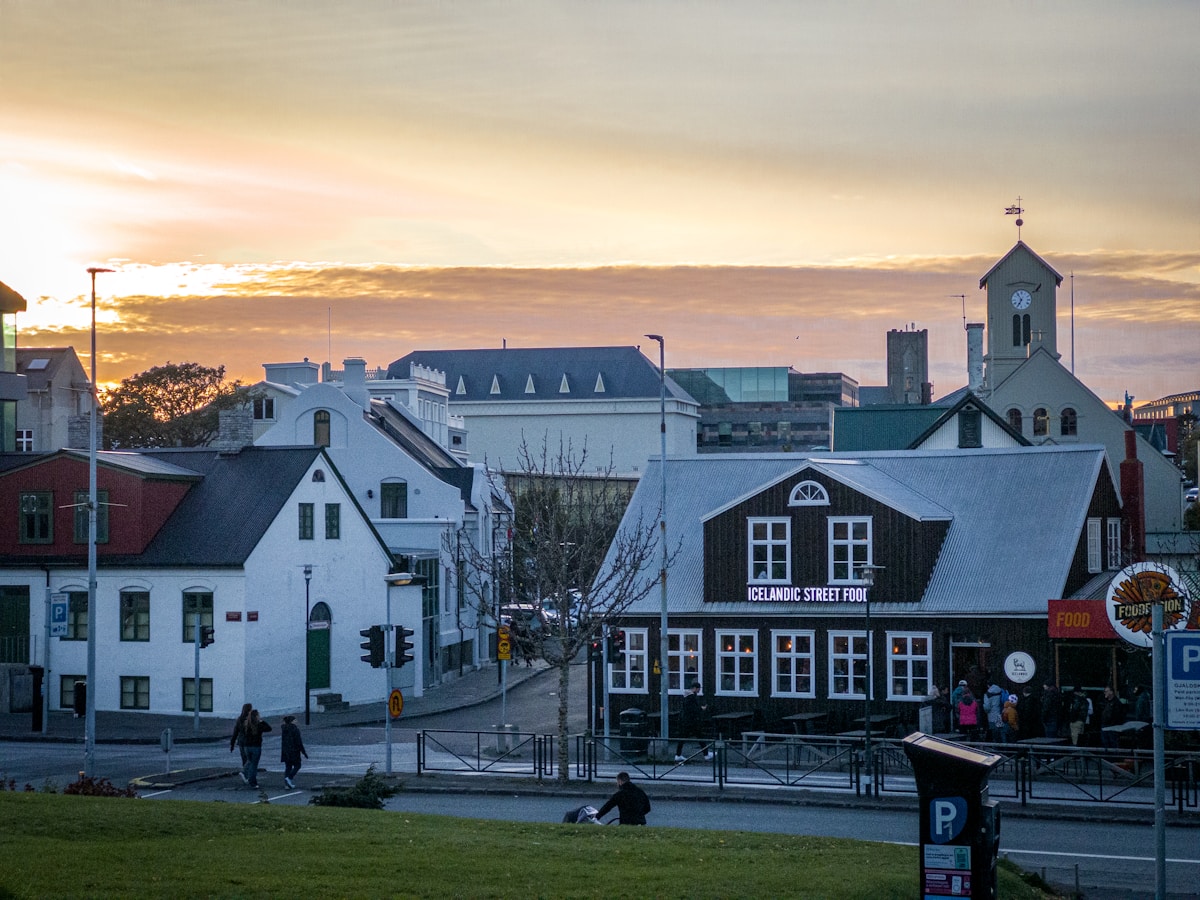
Reykjavik for digital nomads - best neighbourhoods to stay in, coworking spaces, cafe working, internet speeds, and the day-to-day reality of remote work.
Book an experience
Half-day tours, weekend escapes, and Northern Lights trips, all with free cancellation on most bookings.
Explore Iceland between work sessions