Food & Drink
Iceland's National Dish: Kjötsúpa, Skyr & What to Try
Iceland's national dish is kjötsúpa: slow-simmered lamb soup. What it is, why it matters, and where to try it alongside skyr and plokkfiskur.
Icelandic Cuisine
Icelandic cuisine is shaped by its geography and climate, a volcanic island with no grain fields, limited vegetables, but exceptional lamb, fish, and dairy. The traditional kitchen is a cold-weather, preservation-focused cuisine: fermented shark, smoked fish, dried lamb, and the thick dairy culture that produces skyr. Modern Reykjavík restaurants have built on these foundations with contemporary technique, making the capital a genuinely interesting food destination.
Eating out in Iceland is expensive by most standards. A main course at a mid-range Reykjavík restaurant costs approximately ISK 3,500–6,500 as of 2026. For budget travel, supermarkets (Krónan, Bónus, Netto) are essential: self-catering cuts food costs significantly.
City-specific guides to where to eat, covering all budgets from street food to fine dining.
Eight dishes and drinks that define the Icelandic food experience, from the traditional to the everyday.
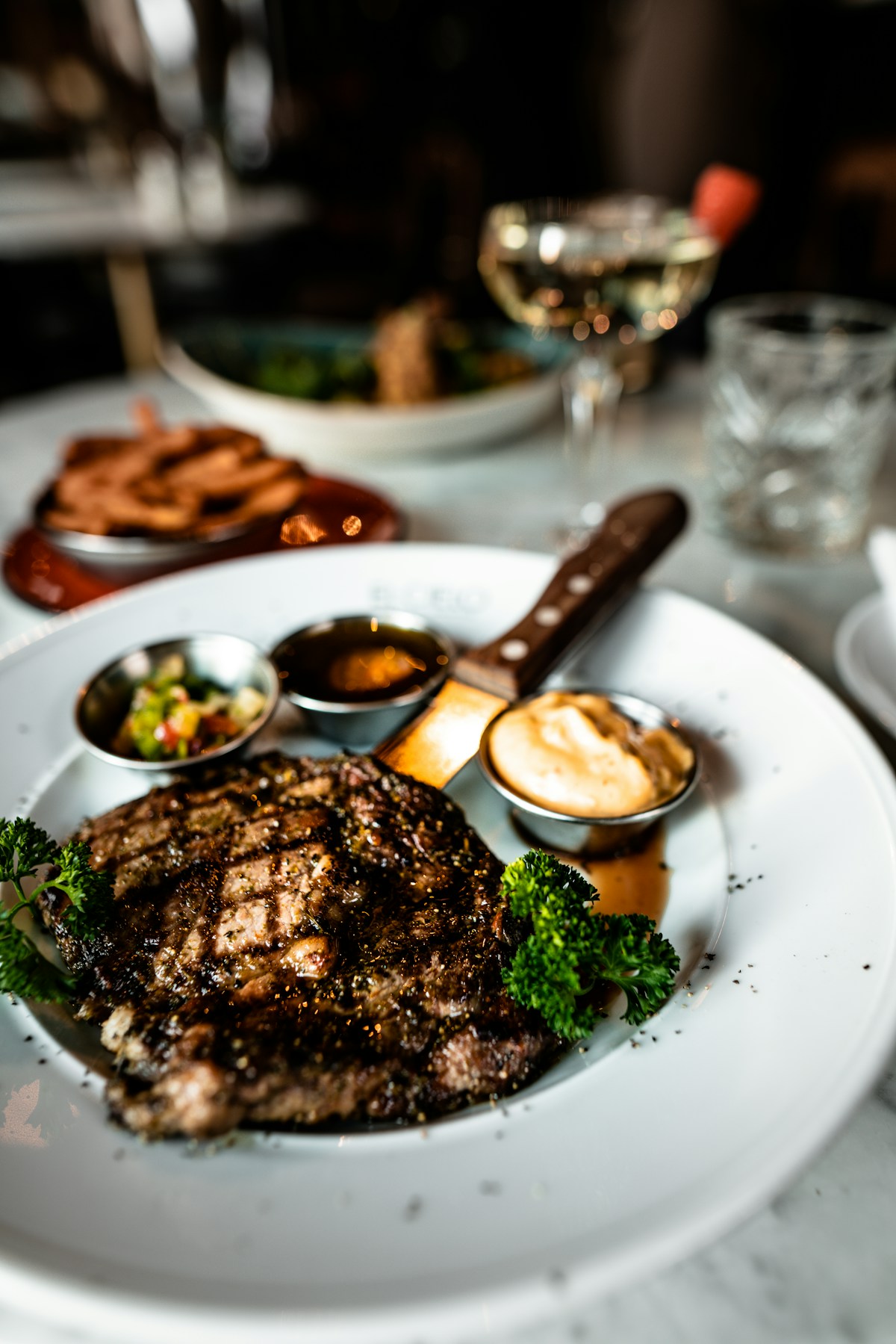
Icelandic lamb is the standout ingredient of the national kitchen. Sheep roam free across the Highlands all summer, resulting in lean, mineral-rich meat with a distinctive flavour. Lamb soup (kjötsúpa) and slow-roasted leg are the most common preparations. Ubiquitous on menus throughout Iceland.
A thick, high-protein dairy product similar in texture to Greek yoghurt but technically a soft cheese. Low in fat, rich in protein, and slightly tart. Eaten at breakfast, as a snack, and increasingly as a dessert base. Available at every supermarket for approximately ISK 150–250 per pot.
A traditional fisherman's dish made from boiled cod or haddock mashed with potatoes, onions, and béchamel sauce. Humble, warming, and genuinely good. Found in traditional Icelandic restaurants across the country, particularly in fishing communities along the coast.
Greenland shark fermented for months to neutralise its natural toxins, then dried and cut into small cubes. The flavour is intensely ammonia-forward and polarising: most visitors try it once and decline a second piece. Served with a shot of Brennivín (Black Death schnapps) as a palate cleanser.
Iceland's signature spirit, an unsweetened schnapps distilled from fermented grain mash and flavoured with caraway. Nicknamed "Black Death". Around ISK 2,500 for a small bottle at Vínbúðin (the state alcohol store). Always paired with hákarl at Þorrablót midwinter feast events.
A cold-water fish closely related to salmon, found in Iceland's glacial rivers and lakes. Milder and more delicate than salmon. Often served smoked or pan-fried. One of Iceland's finest ingredients and widely available in better restaurants from approximately ISK 3,500–5,500 per main course.
Dense, dark, and slightly sweet rye bread traditionally baked using geothermal heat: buried in pots near hot springs for up to 24 hours. The Laugarvatn Fontana geothermal bakery in the Golden Circle area still does this and offers bread straight from the ground.
Iceland's most iconic fast food. Bæjarins Beztu Pylsur ("The Town's Best Hot Dog") in central Reykjavík has been running since 1937. The classic order is "ein með öllu" (one with everything): ketchup, sweet mustard, remoulade, raw onion, and crispy fried onion. Approximately ISK 600–700 each.
Iceland's national dish is kjötsúpa: slow-simmered lamb soup. What it is, why it matters, and where to try it alongside skyr and plokkfiskur.
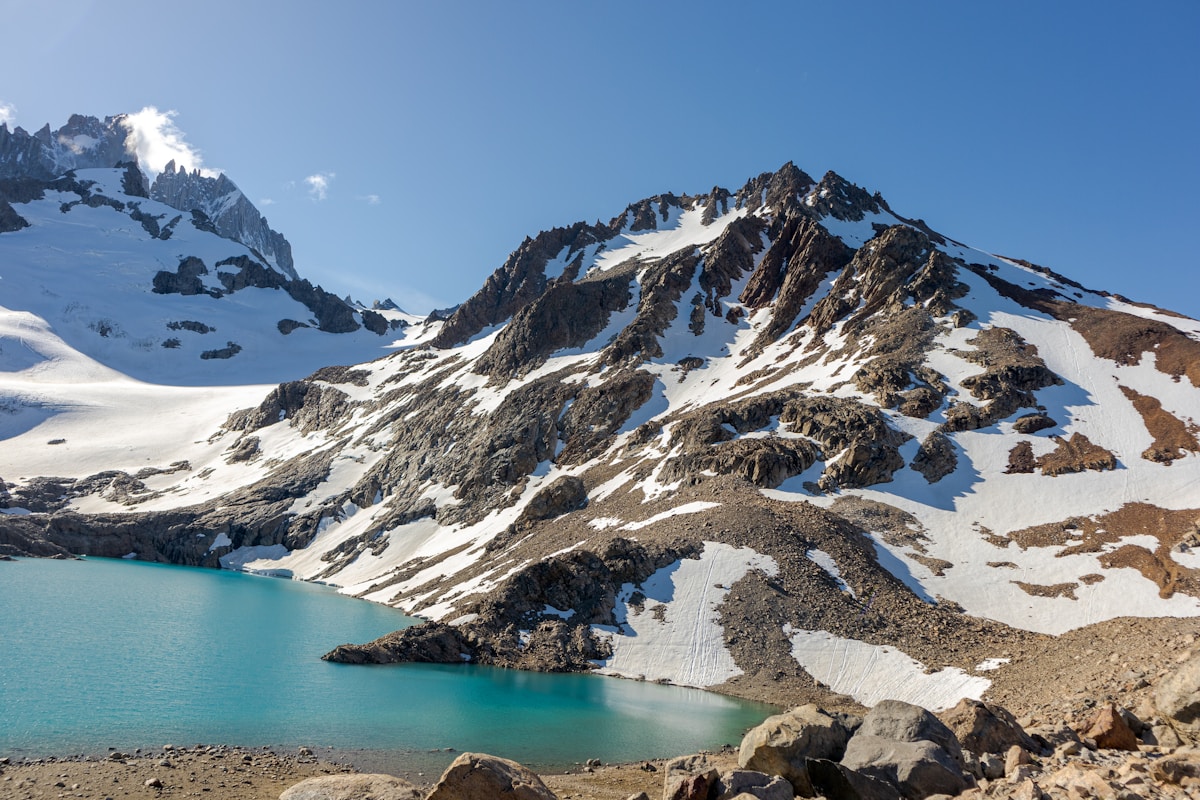
A guide to Icelandic cuisine - traditional dishes, key ingredients, the modern restaurant scene, and what to eat across Iceland.
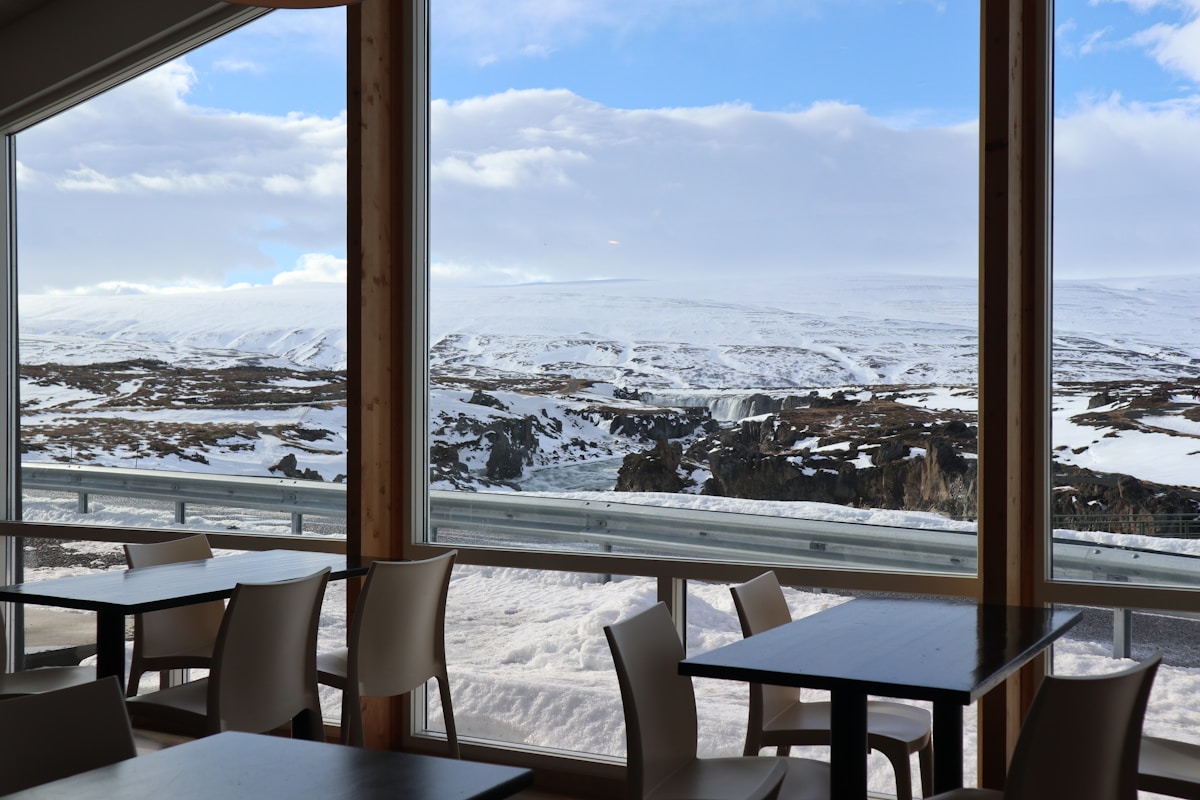
North Iceland food culture - fishermen's traditions, highland lamb, geothermal baking, and the Arctic terroir behind the region's distinct ingredients.
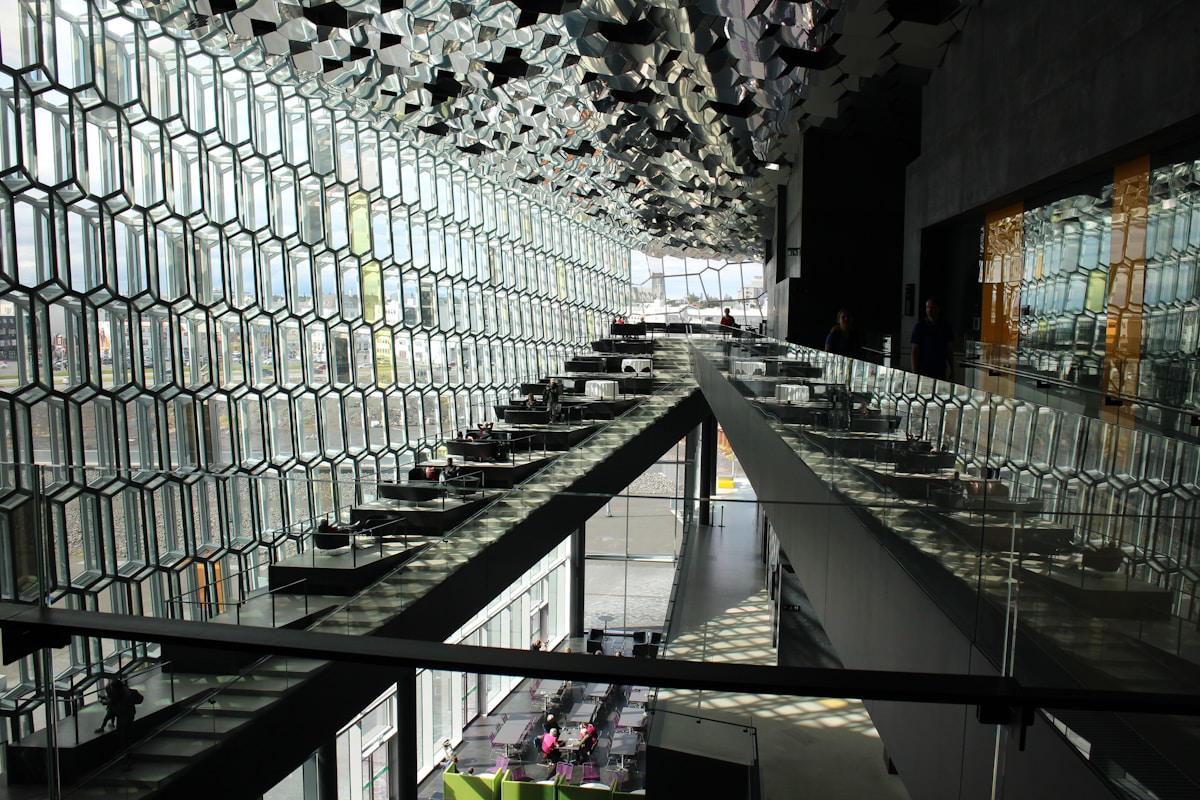
Iceland's food culture: skyr history, lamb traditions, dried fish snacks, and the Viking preservation roots behind New Nordic cuisine.
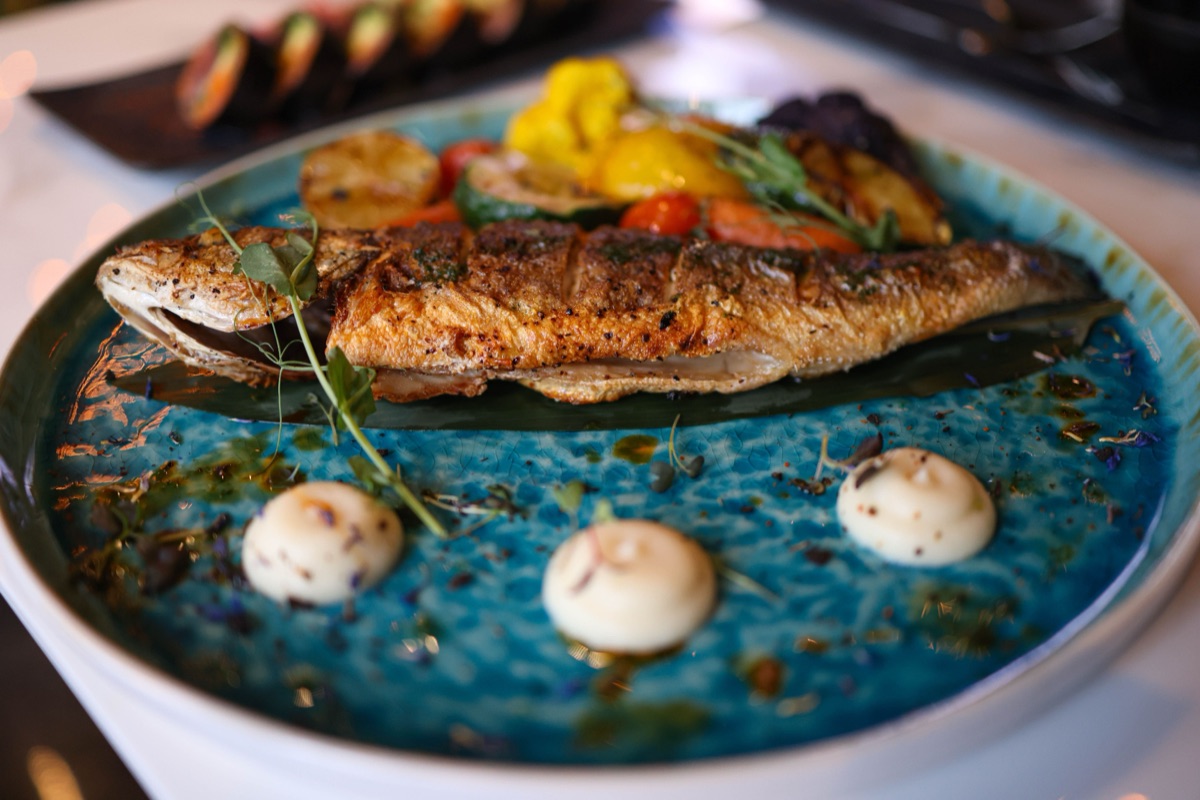
Complete guide to Icelandic food - traditional dishes, what Icelanders actually eat, the best local ingredients, and what to order at restaurants.
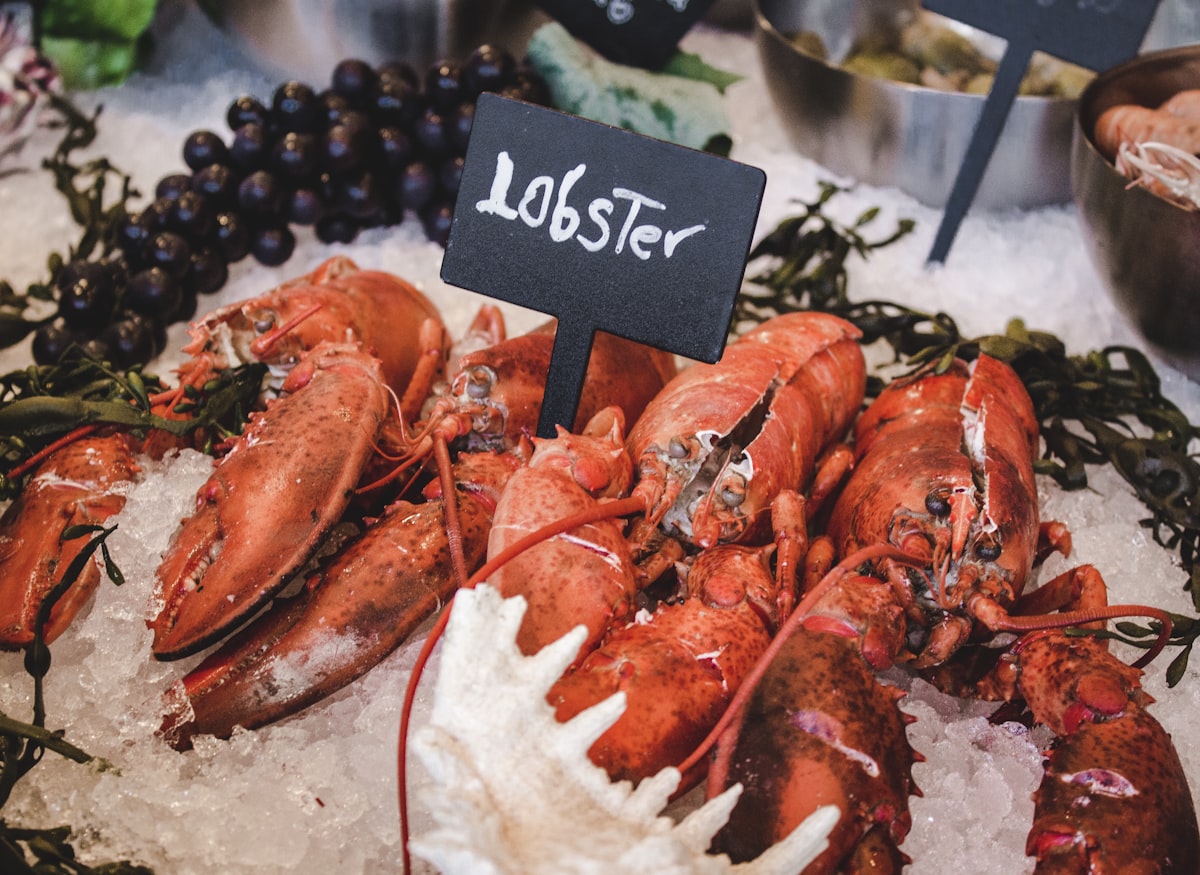
Arctic char, langoustine, plokkfiskur and harðfiskur: Iceland's best fish explained with tasting notes, prices from ISK 1,600 and where to order.
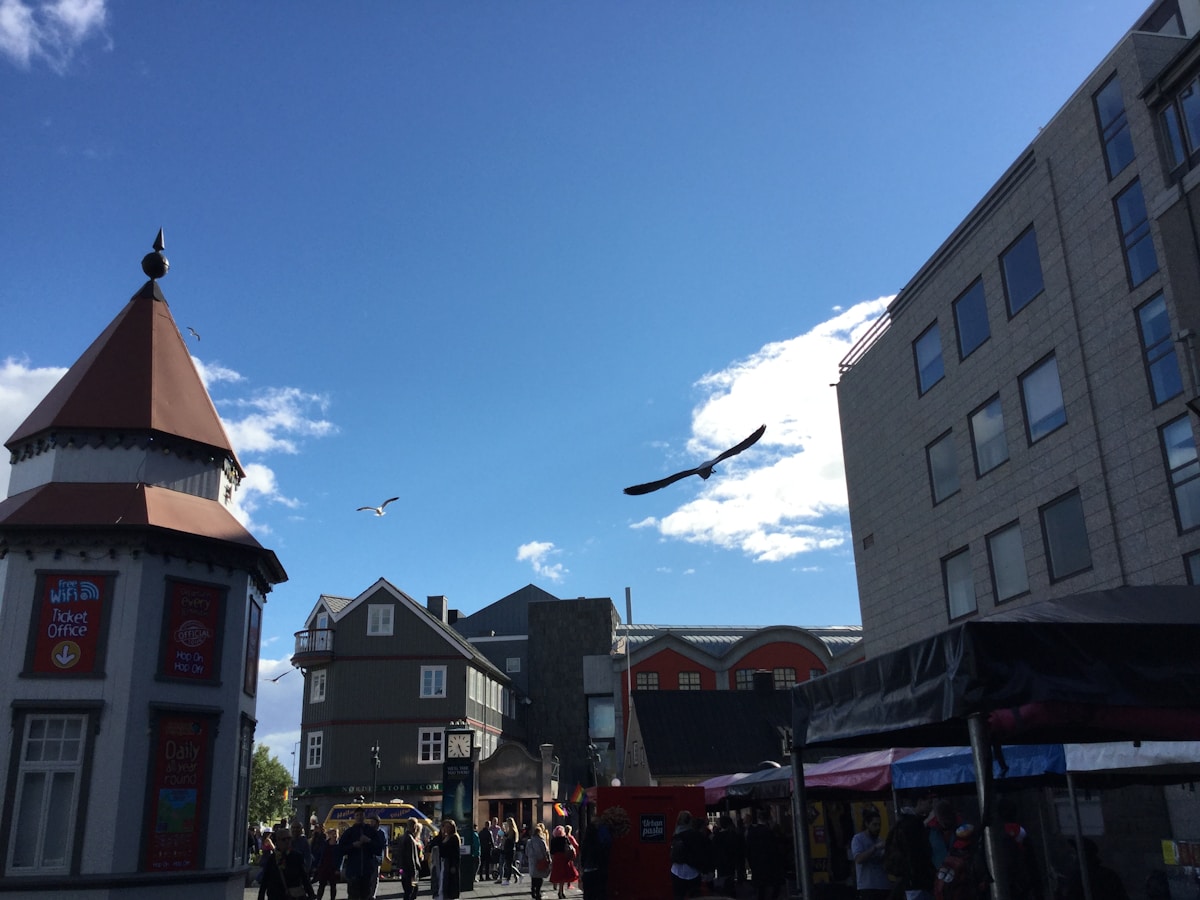
Pylsur hot dogs, Hlemmur Mathöll food hall and hardfiskur dried fish form Iceland's street food scene. Where to eat them in Reykjavik and what they cost.
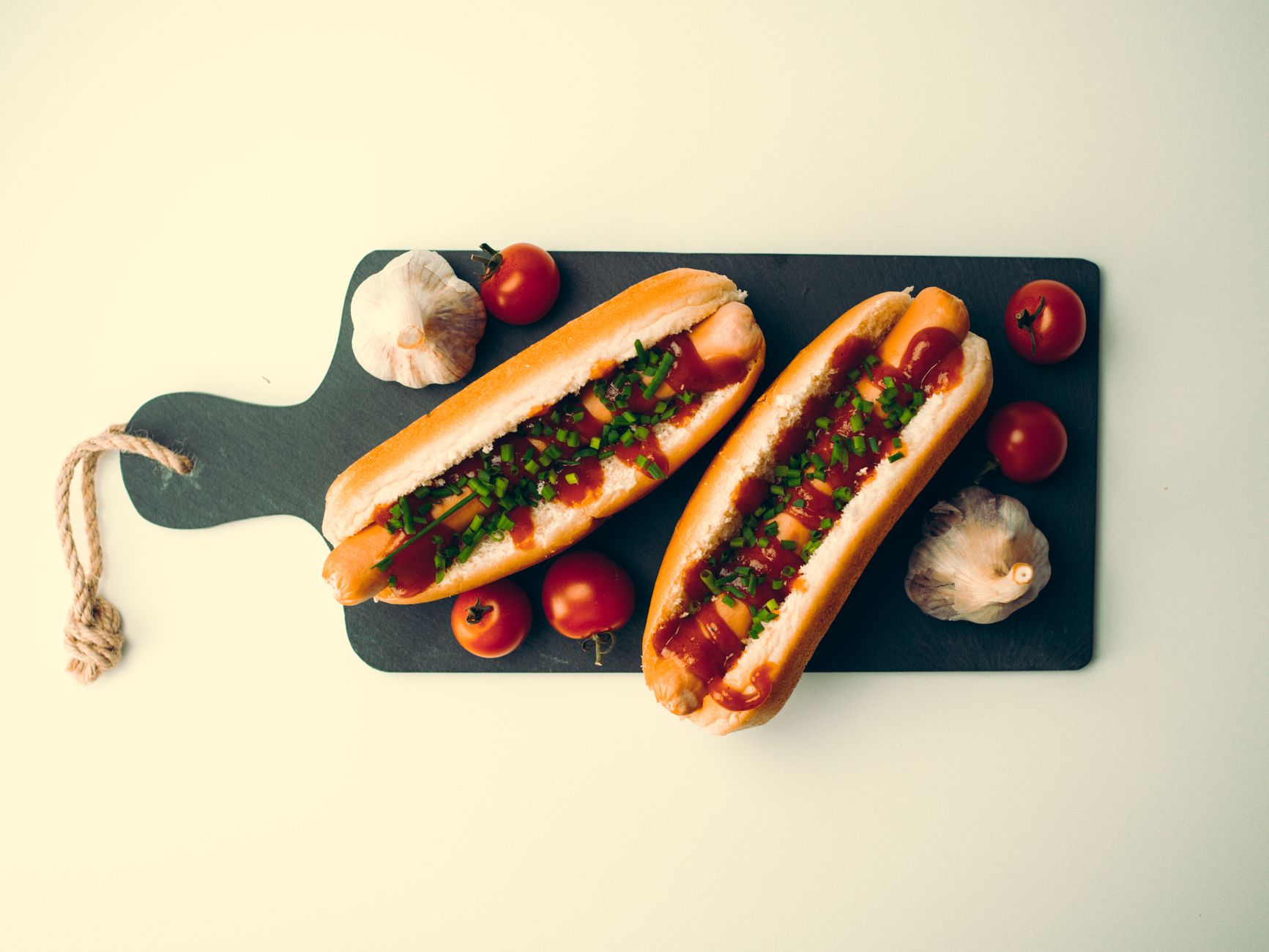
The Icelandic pylsur is street food legend: ISK 600–700 at Bæjarins Beztu by the harbour. Lamb sausage, remoulade, crispy onions - unchanged since 1937.
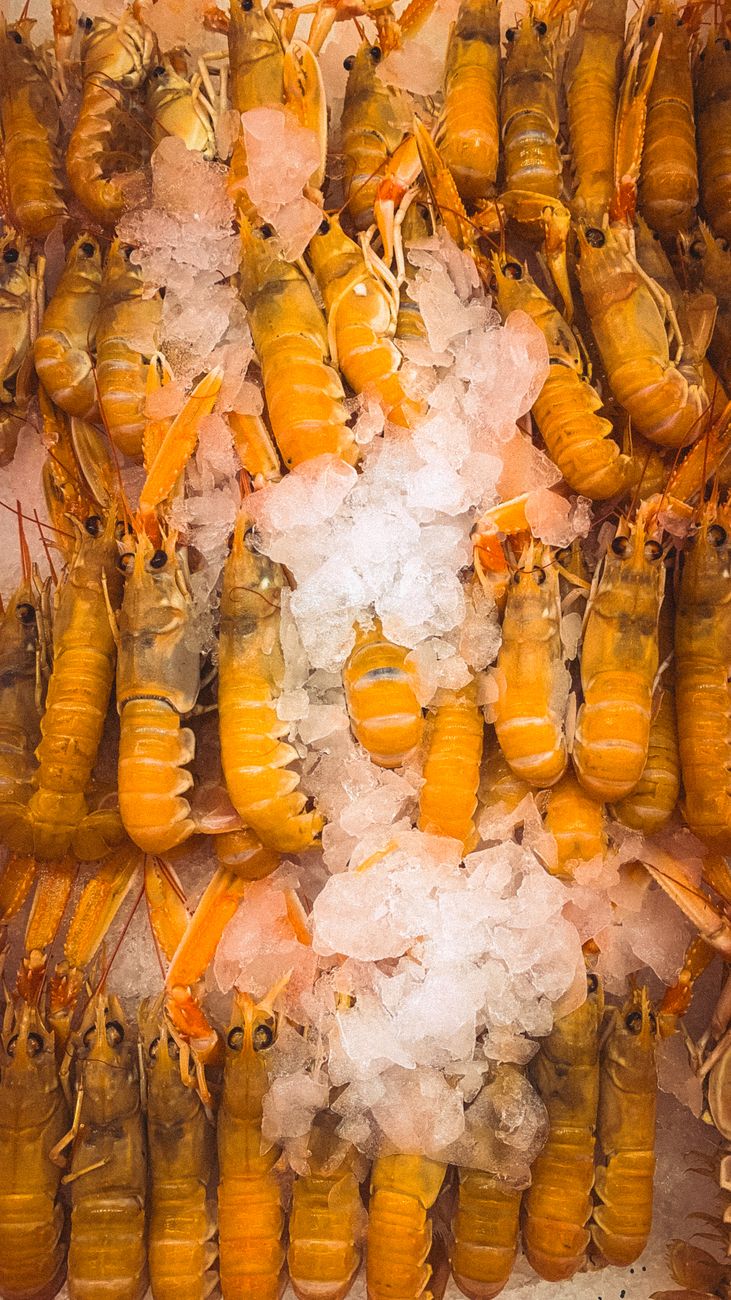
Iceland's seafood ranks among Europe's best: langoustines from Höfn, North Atlantic cod, halibut and Arctic char. Prices and best restaurants.
Book an experience
From food tours to glacier hikes, with instant confirmation and free cancellation on most bookings.
Explore the Icelandic food scene