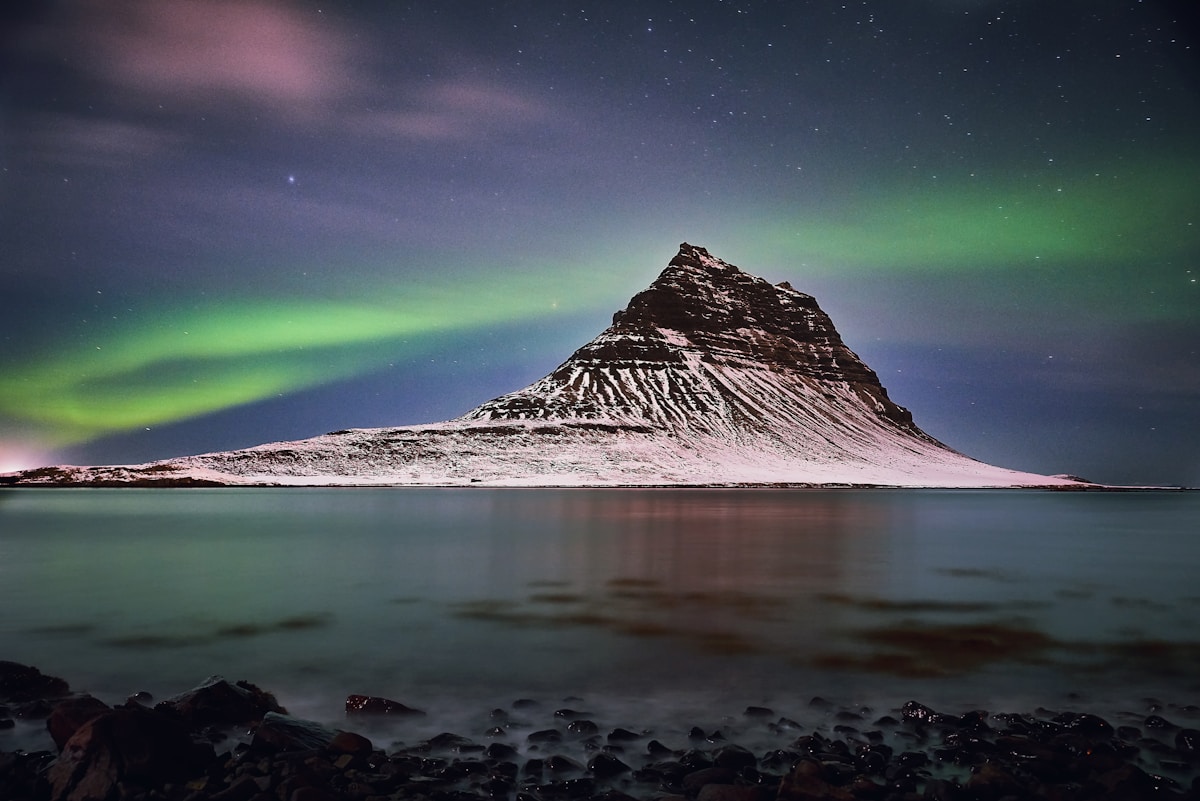
Iceland’s Northern Lights season for 2026 is attracting more attention than usual, and for a concrete reason: solar activity is elevated. The current solar cycle peaked around late 2025 and remains near maximum through 2026, which means stronger geomagnetic activity and more frequent aurora displays than would be typical in a quieter year.
Solar Cycle 25 and What It Means
The sun follows an approximately 11-year cycle of magnetic activity. At solar maximum, the number of sunspots is highest and the frequency of coronal mass ejections (CMEs) - the solar events that trigger geomagnetic storms and intense aurora - increases substantially. Solar Cycle 25 has been more active than forecasters initially predicted. The National Oceanic and Atmospheric Administration (NOAA) Space Weather Prediction Center and its European equivalents have recorded a higher-than-average number of G3 and G4-class geomagnetic storms over the past 18 months.
For travellers in Iceland, this translates to a better-than-usual probability of seeing strong aurora during a given dark-sky night. It does not eliminate the dependence on clear weather - Iceland’s cloud cover remains the primary obstacle - but when conditions align, the displays have been notably intense.
When the Season Runs
The Northern Lights require darkness. In Iceland, that means:
- August (from mid-month): First realistic sightings as astronomical twilight returns. Nights are short but aurora is possible.
- September–November: Rapidly lengthening nights. September and October often combine decent weather with dark skies and elevated activity.
- December–February: The darkest months. Long nights maximise viewing windows but weather is more unsettled. Christmas and New Year periods are busy with visitors specifically seeking aurora.
- March–April: Days lengthen again but aurora remains strong. March in particular often has good weather windows and lower visitor numbers than winter peak.
Not possible: May, June, and most of July. The midnight sun produces continuous twilight and the sky never darkens enough for aurora to be visible.
Where to Watch from Reykjavík
Reykjavík has light pollution, but it is not a large city. During a strong G3+ geomagnetic storm, the aurora is visible from within the city itself - the waterfront, Öskjuhlíð hill (near the Pearl), and Grótta lighthouse on the Seltjarnarnes peninsula are the standard local spots.
For clearer conditions, driving 30–40 minutes out of the city removes most of the light interference:
- Þingvellir National Park - 45 km east of Reykjavík. Dark skies, dramatic landscape, and no light pollution. Car required.
- Reykjanes Peninsula coast - 30 km southwest. Easy drive, dark towards the sea.
- Akranes - 50 km north. A straightforward drive with good access to north-facing shorelines.
Practical Advice for 2026
Track forecasts, not calendars. The aurora cannot be scheduled. The aurora forecast from vedur.is (Icelandic Met Office) is updated several times daily and shows cloud cover and aurora activity on the same map - the most useful single tool for planning a viewing attempt.
Book flexible accommodation. Multi-night stays give you multiple attempts. One clear night in three is a realistic expectation in autumn or winter. If you have only one night, the odds are against you regardless of solar activity.
Guided tours. Various operators in Reykjavík run aurora hunting tours by minibus (approximately ISK 9,000–14,000 per person as of 2026). The main advantage is that experienced guides track forecasts and drive to areas where cloud cover is thinner - useful if you do not have a car.
Camera settings. A smartphone with a night mode is adequate for capturing a moderate display. For stronger auroras, a camera capable of manual exposure settings (ISO 800–3200, 10–25 second exposure, f/2.8 or wider) will produce significantly better results.
For a full overview of conditions by month, see our best time to visit Iceland guide.