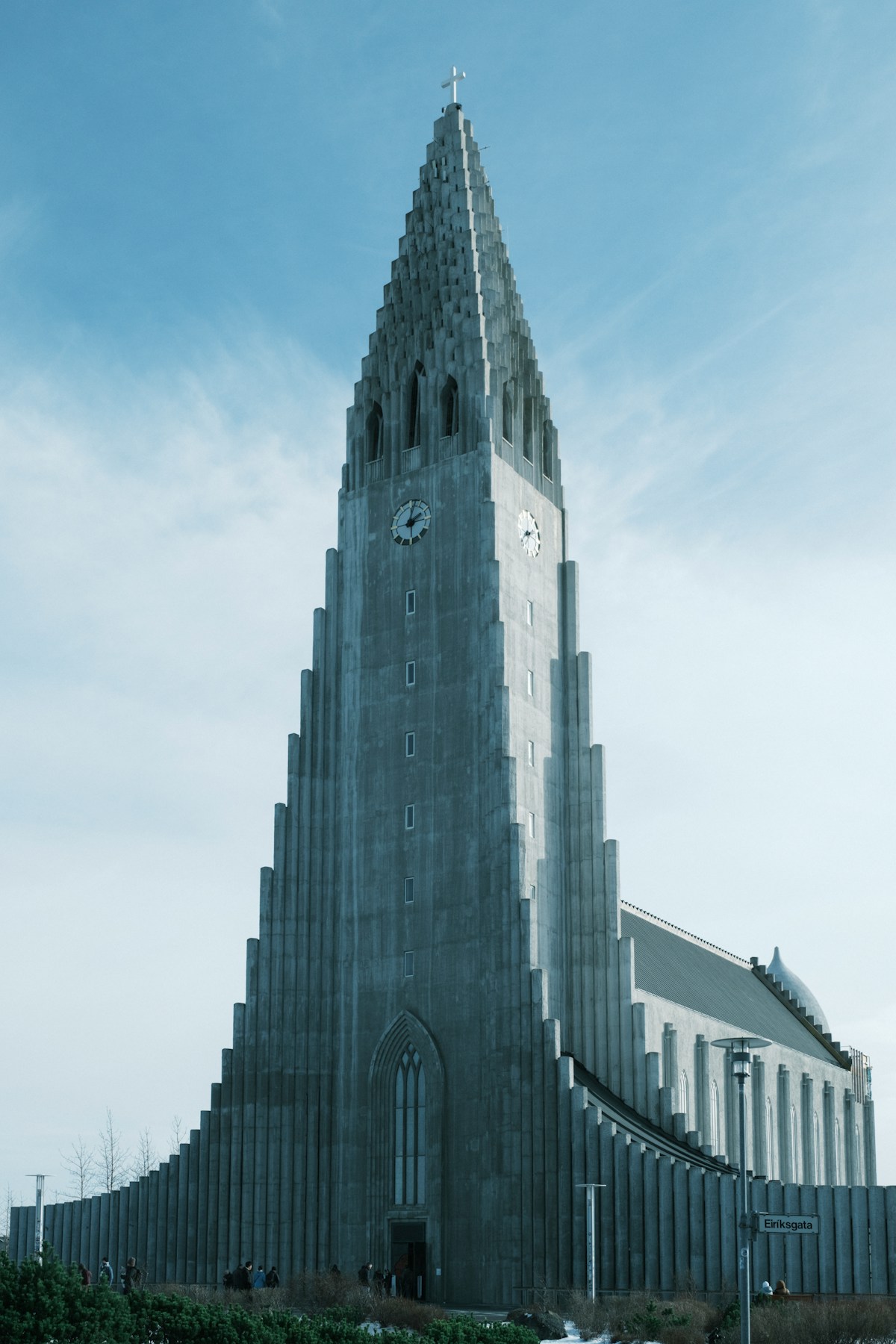
Iceland is on course for a record year of international arrivals in 2026. Data from the Icelandic Tourist Board (Ferðamálastofa) shows that visitor numbers through the first quarter of 2026 are running ahead of the same period in 2025, which was itself a strong year. If the current trajectory holds, 2026 will set a new high-water mark for international tourism to the country.
What the Numbers Show
Iceland began attracting more than one million international visitors annually around 2015 - a rapid expansion from fewer than 500,000 a decade earlier. The COVID years suppressed travel sharply, but recovery came faster in Iceland than in many other destinations, and by 2023 arrivals had already exceeded the 2019 peak. Preliminary figures for 2025 suggest approximately 2.5 million international visitors, and early 2026 data points higher still.
The growth is being driven by several factors: increased direct air connectivity (including new routes from North America and Europe announced in early 2026), continued strong interest from the United States and UK markets, and growing arrivals from Germany, the Netherlands, and Scandinavia.
Pressure on Popular Sites
The volume creates real pressure at Iceland’s most-visited natural sites. Þingvellir National Park, the Geysir geothermal area, and Skógafoss waterfall all see significant queues on summer days. The Golden Circle route - covering Þingvellir, Geysir, and Gullfoss - is the most congested stretch of tourist infrastructure in the country during July and August.
The Icelandic government and Ferðamálastofa have been exploring visitor management measures, including timed-entry systems at some sites and infrastructure investment to reduce wear on fragile lava fields and vegetation. Several highland interior tracks now require 4WD vehicles and carry access restrictions that are enforced more rigorously than in previous years.
What This Means for Your Trip
For travellers planning an Iceland visit in 2026, the practical implications are straightforward:
Summer (June–August): Expect full hotels and higher prices across the Ring Road corridor. Book accommodation months ahead. Popular sites will be busy between approximately 10am and 5pm - arriving early or late in the day helps significantly.
Shoulder seasons (May, September): A markedly different experience. May offers the Midnight Sun from late in the month, long daylight hours, and far fewer visitors. September combines reasonable weather, autumn colours in the highland fringes, and the first realistic chances of seeing the Northern Lights from mid-month.
Off the main circuit: The Westfjords, East Fjords, and the interior highland routes (Kjölur, Sprengisandur) remain genuinely uncrowded even in peak summer. These areas require more planning and in some cases a capable 4WD hire vehicle, but the trade-off in solitude and scenery is substantial.
We cover timing in detail in our best time to visit Iceland guide, including month-by-month conditions and the trade-offs between weather, daylight, and visitor numbers.