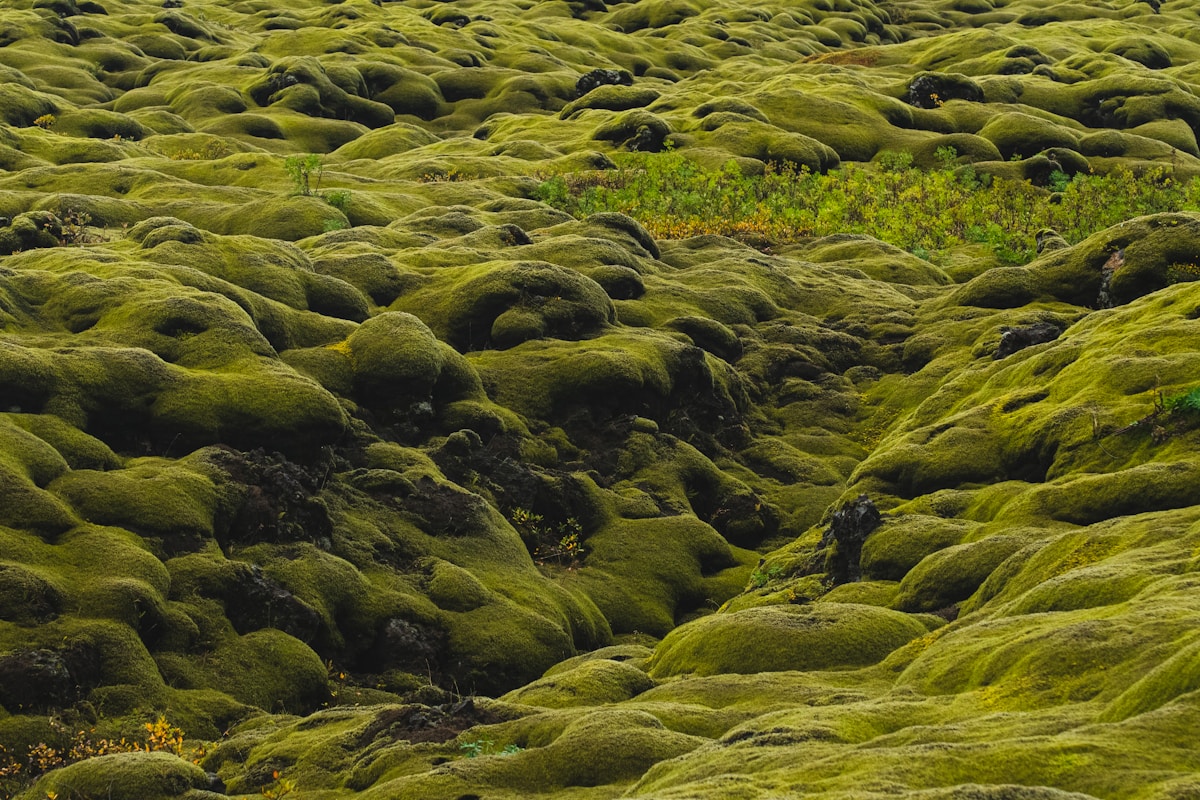
The Reykjanes Peninsula is the first - and for many visitors flying through Keflavík, the only - part of Iceland they see. It is also one of the most geologically active areas in the country. The 2021–2024 eruptions at Fagradalsfjall and Sundhnúkur made world news; the geothermal fields, tectonic plate rift, and lava fields have been here far longer. The Blue Lagoon sits on the peninsula. UNESCO has recognised the whole area as a geopark. For visitors arriving or departing through Keflavík, even a single day here covers a significant amount of ground.
Blue Lagoon
Iceland’s most internationally known attraction, located near Grindavík approximately 20km south of Keflavík airport. The Comfort entry package costs approximately ISK 9,990–11,990 as of 2026; Premium and Retreat packages are higher. The milky blue geothermal seawater sits at approximately 37–39°C and is rich in silica and sulphur. The lagoon is technically a by-product of the adjacent Svartsengi geothermal power plant, not a natural feature - but this has not reduced its appeal.
Book at bluelagoon.com well in advance. Summer and weekend slots are the first to go. The Retreat Lagoon (premium tier, adults only) is a separate, much quieter pool on the far side of the main lagoon.
Visitor tip: Allow 2–3 hours minimum. The silica mud masks are free in the water. Lockers and towels are included from mid-tier packages. Hair becomes matted easily in the silica water - apply conditioner before entering if you have longer hair.
Fagradalsfjall Volcano Area
The Fagradalsfjall volcanic system, approximately 10km northeast of Grindavík, erupted in 2021, 2022, and 2023, with the Sundhnúkur crater row erupting multiple times from 2023 into 2024. When not actively erupting, the area is accessible on foot and free to visit.
The walk to the lava fields from the designated car parks takes 30–60 minutes depending on the route. The hardened lava is a distinctive orange-grey colour and still radiates geothermal heat in places. Always check current status at vedur.is before visiting - access can be restricted quickly if activity increases.
Bridge Between Continents
A footbridge near Suðurnes on Route 425 that spans the visible rift between the Eurasian and North American tectonic plates. Free to visit. The rift valley here is wide enough to walk across in a few steps - there is a small marker and certificate stand (modest fee) for those who want a tangible souvenir of the crossing. The geology here is the same rift system that runs through Þingvellir, though less dramatic in visual terms. Allow 30 minutes. Good combined with Gunnuhver or Krýsuvík.
Reykjanes Geopark (UNESCO)
The entire peninsula is a UNESCO Global Geopark, covering 30 separate geologically significant sites. There is no single admission ticket or central visitor site - the geopark consists of free-access viewpoints, volcanic craters, geothermal areas, and lava fields spread across the peninsula. The Geopark visitor centre in Grindavík (check current opening status due to 2023–2024 eruption impacts) has maps and context. A half-day or full day exploring the peninsula’s geopark sites on a self-drive circuit is a genuinely worthwhile alternative to the standard Golden Circle.
Krýsuvík Geothermal Area
Located in the central Reykjanes Peninsula, approximately 30km from Keflavík. Free to visit. The Seltún geothermal field has sulphurous boiling mud pools, steam vents (fumaroles), and vibrantly coloured ground - reds, yellows, and greens from mineral deposits. Boardwalks keep visitors on safe paths above the ground. The smell is notably strong. Allow 45–60 minutes. The nearby Kleifarvatn lake, formed in a fissure, is a calm and photogenic contrast.
Gunnuhver Hot Springs and Reykjanesviti Lighthouse
Near the southwestern tip of the peninsula, Gunnuhver is one of Iceland’s most active geothermal areas - a large mud pool and steam field with boardwalks for safe viewing. Free. The adjacent Reykjanesviti lighthouse (built 1878, Iceland’s oldest lighthouse) adds a short walking loop. The point here is the approximate meeting of the tectonic plates at sea. Allow 30–45 minutes. Combine with the Bridge Between Continents on a western Reykjanes loop.
Grindavík
Note: Check current status at almannavarnir.is before visiting. The town was significantly affected by volcanic activity from late 2023 into 2024, with mandatory evacuations and infrastructure damage. Some facilities and roads may have restricted access. As of the date of this guide, the situation remains subject to change - verify before planning a visit.
When fully open, Grindavík is a working fishing town with a small harbour and the Saltfish Museum (Saltfisksetur Íslands). The focus is cod fishing history; entry approximately ISK 1,200 as of 2026.
Practical Notes
- Distance from Keflavík airport: Blue Lagoon is approximately 20 minutes. Fagradalsfjall car park is approximately 30–40 minutes. Krýsuvík and the southeastern peninsula are 30–50 minutes.
- From Reykjavík: The western Reykjanes circuit (Blue Lagoon, Gunnuhver, Bridge Between Continents) takes a half-day from the capital. Adding Fagradalsfjall makes a full day.
- Road conditions: Most Reykjanes attractions are on paved roads. Check road.is for anything on unpaved tracks in winter.
Browse Iceland tours - day trips, activity bookings, and multi-day packages across the country in one place.
Compare car hire in Iceland - a 4WD or campervan gives the flexibility to explore at your own pace.
See Also
- Reykjanes Peninsula guide - Overview of the whole peninsula: getting there, Blue Lagoon, and volcanic activity updates
- Blue Lagoon Iceland - Full guide to Iceland’s most visited attraction with booking advice and what to expect
- Blue Lagoon vs Sky Lagoon - Choosing between the Reykjanes spa and the newer city-adjacent alternative
- Iceland volcanoes - The 2021–2024 Fagradalsfjall and Sundhnúkur eruptions in context
- Geothermal pools in Iceland - Gunnuhver, Krýsuvík Seltún, and other geothermal areas on and beyond the peninsula
For accommodation nearby, Search hotels in Reykjanes on Booking.com.