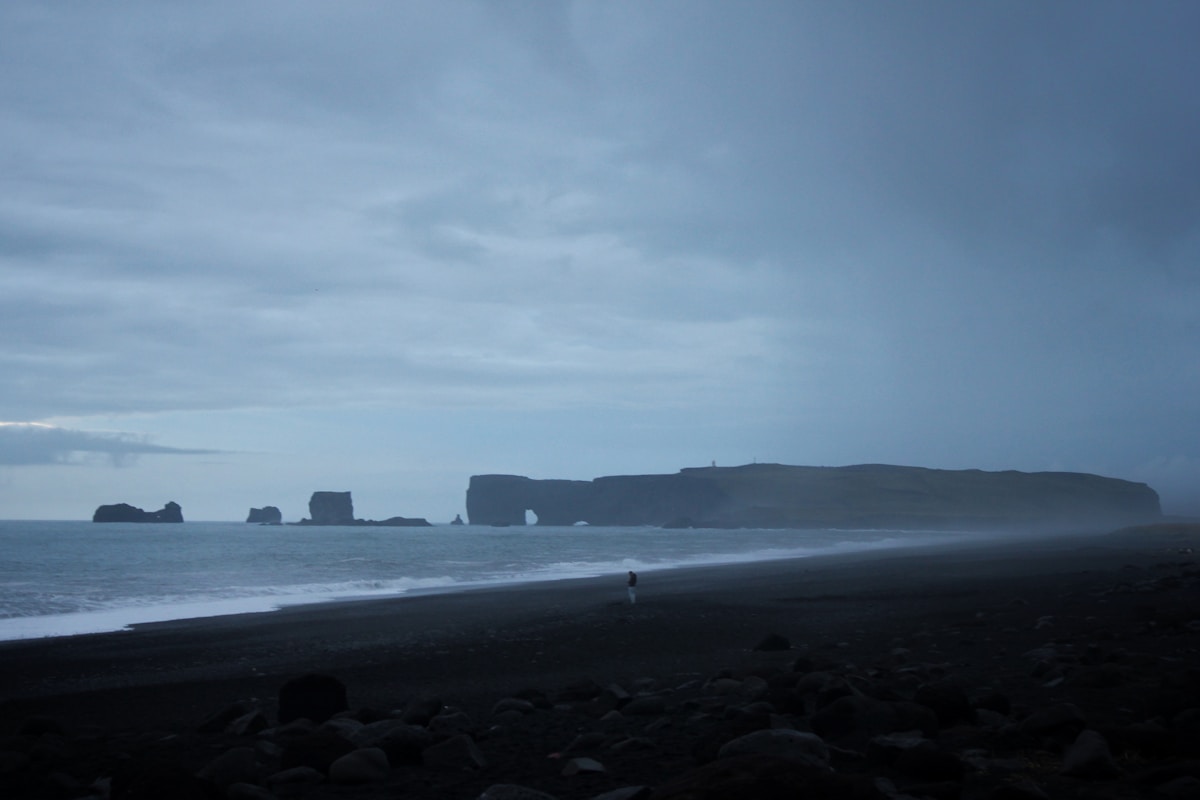
The south coast of Iceland is one of the most heavily travelled stretches of road in the country, and for good reason. In roughly 460km of Ring Road between Reykjavik and the Eastfjords, you pass black sand beaches, waterfalls, glacier lagoons, and the edge of Europe’s largest ice cap. Choosing where to stop and sleep comes down to which attractions matter most to you - and how far you’re willing to drive.
Vik and Hofn sit at either end of this stretch. Both are small Ring Road towns, both see significant tourist traffic, and both are used as overnight bases for travellers doing the south coast. They are not interchangeable, however - the attractions around each are quite different.
Overview
Vik í Mýrdal - universally known just as Vik - is a village of around 300 people at the base of the Mýrdalsjökull glacier, approximately 187km east of Reykjavik. It’s the southernmost point of Iceland’s mainland, which explains the weather: this is one of the wettest and windiest settlements in the country. Reynisfjara black sand beach is the main draw, just a few minutes’ drive from the village, and the surrounding area includes some of Iceland’s most visited waterfalls. Vik is well-positioned for a night or two early in a south coast drive - it’s far enough from Reykjavik to justify an overnight stay, but close enough to reach in an afternoon.
Hofn (population roughly 2,100, pronounced something like “hoep” with a soft b at the end) sits 459km east of Reykjavik, close to the southeastern edge of Vatnajökull - the largest glacier in Europe. It’s the biggest settlement in this part of Iceland, which in practice means you’ll find a supermarket, a fuel station, a handful of restaurants, and a range of accommodation options. Hofn is the obvious base for glacier lagoon and Vatnajökull activities, and for anyone pushing on into the Eastfjords. The town also has a strong claim to being the lobster capital of Iceland, which matters if you’re travelling for food as much as scenery.
Between them - closer to Hofn than Vik - sits Jökulsárlón, the glacier lagoon that most visitors rank among Iceland’s top sights. This fact alone shapes the comparison significantly.
Getting There and Around
Vik is around a 2-hour drive from Reykjavik on Route 1 in normal conditions. There is no regular direct bus service to Vik itself, though organised tour buses from Reykjavik - Reykjavik Excursions and similar operators - include it as a stop on south coast day trips. If you’re travelling independently without a car, the options are limited, which makes renting a car near the top of the practical considerations for anyone basing in Vik.
Hofn is a longer commitment: 5 to 5.5 hours from Reykjavik by car, depending on stops. Strætó bus route 51 runs along the Ring Road and will get you there, but times are limited and the journey is long. Most people driving the Ring Road reach Hofn on day two or three of a south coast drive, having already stopped at Seljalandsfoss, Skógafoss, and Vik en route. Akureyri Airport in the north is roughly 6–7 hours by road - Hofn is genuinely remote in the context of Icelandic transport.
Between Vik and Hofn: approximately 280km, a drive of around 2.5 hours. The stretch between the two contains Skaftá river crossings, the Skeiðarárjökull glacier tongue visible from the road, and eventually Jökulsárlón at 370km from Reykjavik - 80km west of Hofn. That proximity is why Jökulsárlón is almost always a day excursion from Hofn, not Vik.
Things to Do
Vik’s primary draw is Reynisfjara beach - a stretch of black sand framed by hexagonal basalt columns and sea stacks rising from the Atlantic. It’s free to visit and genuinely dramatic in any weather, but the surf is extremely dangerous. Sneaker waves are a documented hazard here, and the beach sees injuries every year. Stay well back from the water’s edge. Dyrhólaey, a volcanic promontory with an arch large enough for small boats to pass through, sits about 15km west of Vik and offers exceptional coastal photography. The waterfalls Seljalandsfoss (with a path behind the curtain) and Skógafoss are both within 60km to the west. The Eyjafjallajökull glacier - whose 2010 eruption disrupted European air travel - is visible from the road near Vik. We have more detail in our Vik things to do guide.
Hofn’s anchor attraction is Jökulsárlón glacier lagoon, 80km to the west on Route 1. The lagoon is free to walk around; boat tours onto the water run from approximately 8,900 ISK per adult. Immediately across the road from the lagoon, Diamond Beach - where chunks of calved glacier ice wash onto black sand - is one of the most photographed spots in Iceland and costs nothing to visit. Vatnajökull glacier itself is accessible via guided hikes from several operators near Skaftafell and Jökulsárlón, with prices starting around 15,000 ISK for a standard ice walk. Stokksnes Peninsula, about 15km east of Hofn, offers a view of Vestrahorn mountain that has become one of the most recognisable images in Icelandic photography - access is via the Viking Café with a small fee of around 800 ISK. More options are covered in our Hofn things to do and Hofn day trips guides.
Where to Stay
Search hotels in Vík on Booking.com
Vik is a small village with a limited accommodation pool, and summer demand is high. Guesthouse Carina starts from around 18,000 ISK per night ($130) and represents reasonable value for the area. Vik Hostel offers dorm beds from around 7,000 ISK - one of the better budget options on the south coast outside Reykjavik. Hotel Kría is the main mid-range hotel, starting from approximately 35,000 ISK per night ($255) in peak season. Book all of these well ahead in June, July, and August - availability is tighter here than almost anywhere on the Ring Road. See our Vik accommodation guide for the full picture.
Hofn is larger and offers more variety. Milk Factory Guesthouse - housed in a former dairy - starts from around 25,000 ISK per night ($182) and is one of the more characterful options in the region. Höfn Inn runs from approximately 30,000 ISK ($218) per night. Fossil Guesthouse offers rooms from around 20,000 ISK. The supply of accommodation in Hofn is better than Vik, but the summer peak is equally intense - book ahead. Our Hofn where to stay guide has more options and up-to-date recommendations.
Search hotels in Höfn on Booking.com
Food and Drink
Vik’s restaurant options are limited. Sudur-Vik Restaurant is the main sit-down option, with mains ranging from approximately 3,500 to 5,000 ISK. Halldórskaffi serves Icelandic staples in a casual setting. Ströndin Bistro rounds out the options. There are no supermarkets in Vik - if you’re self-catering or on a tight food budget, stock up in Reykjavik or Selfoss (about 80km west of Vik). It’s worth noting that the N1 service station on the Ring Road near Vik has a small shop that handles essentials. Full restaurant listings are in our Vik restaurants guide.
Hofn punches well above its weight for food. The town’s signature dish is langoustine - what Icelanders call humar and English speakers know as Norwegian lobster - served in everything from soup to grilled tails. Pakkhús is the standout restaurant, with langoustine soup at around 3,800 ISK and mains from 5,500 ISK - it’s worth booking a table if you’re set on eating here. Otto Matur & Drykkur offers a more relaxed atmosphere. Hafnarbuðin is a local spot for simpler meals. If you eat lobster anywhere in Iceland, Hofn is the place to do it. More detail in our Hofn best restaurants guide.
Budget Comparison
Both towns are similarly priced in terms of accommodation and food, sitting slightly below Reykjavik rates but not dramatically different. Expect to spend roughly 35,000–50,000 ISK per day per person for mid-range accommodation, three meals, and fuel costs on a Ring Road drive.
The more meaningful budget consideration is what attractions you’re prioritising. Jökulsárlón is free to visit, but glacier tours from Vatnajökull add 15,000–20,000 ISK per person to your day. Vik’s core attractions (Reynisfjara, Dyrhólaey, the nearby waterfalls) are all free or low-cost. On a tight budget, the Vik area delivers more per krona in terms of scenery you can walk to without paying.
Season and Weather
Both Vik and Hofn sit on Iceland’s south coast and share the exposure that comes with it - rain, wind, and rapidly changing conditions are the norm. Vik is particularly wet, receiving around 50% more precipitation than Reykjavik on average, largely because Mýrdalsjökull drives its own local weather patterns. Pack waterproofs regardless of season.
Route 1 between Vik and Hofn is a paved road and remains open in winter, though conditions can deteriorate rapidly. The 90km stretch across Skeiðarársandur - a vast glacial outwash plain east of Kirkjubæjarklaustur - is exposed and can be challenging in high winds. Always check road conditions on road.is before driving any stretch of the Ring Road in poor weather. F-roads in this region (marked with an F prefix) are closed until late May or June and require 4WD - Route 1 itself does not.
In winter, Jökulsárlón is accessible and the ice chunks on Diamond Beach are actually more prominent due to calving activity. Aurora borealis viewing from the glacier lagoon on clear nights is exceptional. Summer gives you the midnight sun and easier driving conditions but also the largest crowds.
The Verdict
These towns suit different stages and types of a south coast trip rather than being straight alternatives.
Choose Vik if Reykjavik is your starting point and you want your first overnight stop on the Ring Road to feel like a genuine south coast experience. Reynisfjara, the waterfalls, and Dyrhólaey are all within easy reach, and the drive from Reykjavik is manageable.
Choose Hofn if Jökulsárlón is a priority - basing here means you can visit the lagoon in the evening when crowds are thinner, and again in the morning before day-trippers arrive. It’s also the right base if you’re heading into the Eastfjords or want to spend more time on glacier activities in Vatnajökull.
For most Ring Road itineraries of 7 days or more, the answer is both - one night in Vik on the way out, and one or two nights in Hofn further along the route.
Explore more: Vik city guide and Hofn city guide.
Browse Iceland tours - day trips, activity bookings, and multi-day packages across the country in one place.
Compare car hire in Iceland - a 4WD or campervan gives the flexibility to explore at your own pace.
See Also
- Vík travel guide - Full guide to the South Coast’s most dramatic overnight base
- Höfn travel guide - Langoustine capital and Jökulsárlón gateway
- South Coast drive - The full route between Reykjavík and Höfn with Vík as the midpoint
- Jökulsárlón glacier lagoon - The main reason to base in Höfn: early morning and evening access
- Reynisfjara black sand beach - The main reason to base in Vík: wave safety and Dyrhólaey puffin cliffs
More Iceland Comparisons
- Reykjavík vs Akureyri — Iceland’s capital versus the north Iceland hub
- Snæfellsnes vs Westfjords — Accessible western peninsula versus remote northwest
- Landmannalaugar vs Þórsmörk — Two legendary highland hiking destinations
- Westman Islands vs Snæfellsnes — Volcanic island versus glacier peninsula