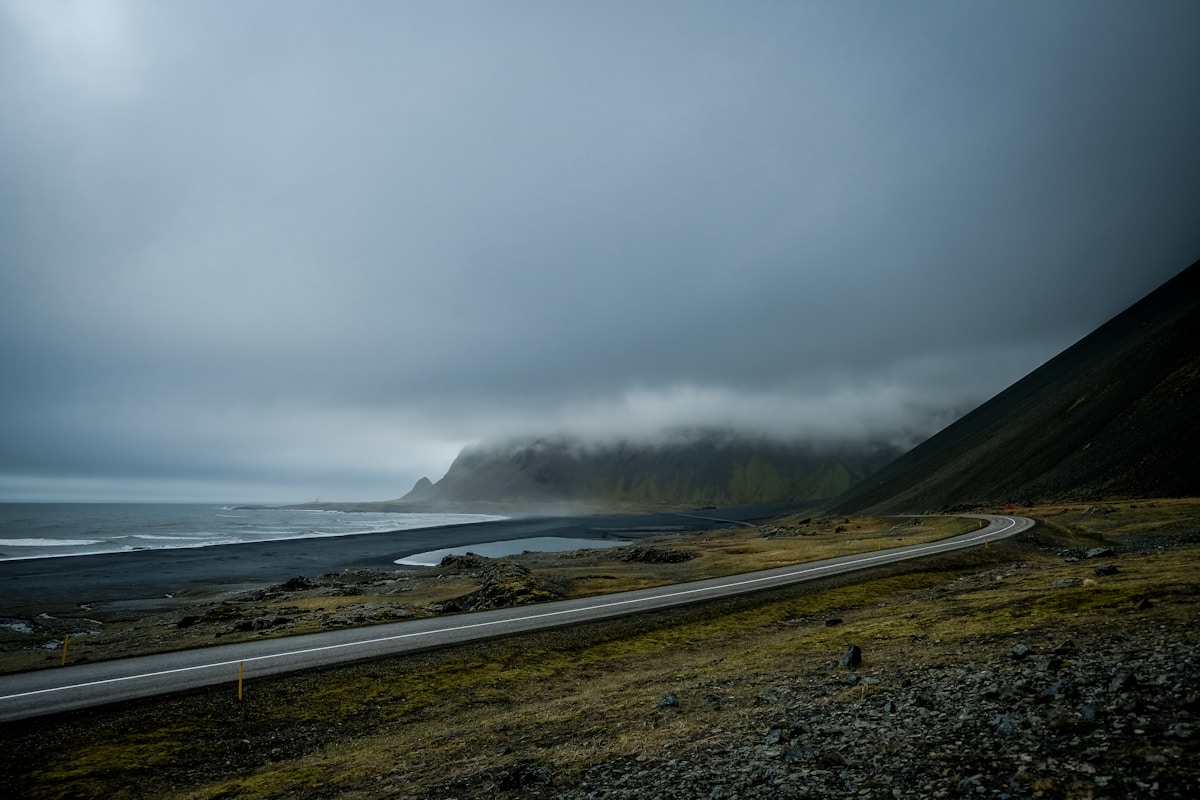
Iceland is a legitimate remote work destination for nomads with the legal allowance and budget for it. The infrastructure is excellent, the lifestyle is high quality, and Reykjavík is a compact, walkable, genuinely interesting city. The main constraints are cost and the 90-day Schengen limit.
Visa and Legal Status
Iceland is in the Schengen Area. Non-EEA citizens (UK, US, Canadian, Australian, etc.) have a maximum 90 days in any 180-day period across the entire Schengen zone. There is no dedicated digital nomad visa for Iceland as of 2026.
Practical implication: You can stay for 3 months, then must leave the Schengen Area for at least 90 days before returning. UK citizens post-Brexit are subject to the same 90/180 day rule.
EEA citizens (EU, Norway, Liechtenstein, Switzerland): Freedom of movement applies. Registration with the Registers Iceland (Þjóðskrá) is required for stays over 3 months.
Cost of Living
Iceland is expensive. Monthly cost estimates for a comfortable remote working setup in Reykjavík:
| Category | Monthly Cost (ISK) |
|---|---|
| Apartment (1-bed, furnished) | 180,000–280,000 |
| Food (mix restaurant/supermarket) | 70,000–100,000 |
| Coworking space | 25,000–45,000 |
| Transport (bus pass) | 10,500 |
| Phone/internet | 3,500–6,000 |
| Fitness/gym | 8,000–12,000 |
| Total estimate | ~320,000–550,000 |
Converting approximately: ISK 320,000 ≈ £1,700–1,800 / €2,000–2,100 / $2,200–2,500 at 2026 rates.
This is liveable on a reasonable remote salary but not ideal for lower-income nomads.
Coworking Spaces in Reykjavík
Innovation House Iceland (Ármúli 23): The main coworking hub. Multiple membership tiers. Day pass approximately ISK 4,500, monthly membership ISK 35,000–65,000. Good facilities, strong startup community.
Mjólkurbúðin (Hverfisgata 22): A smaller coworking space in the 101 district. More café-like atmosphere. Day rate approximately ISK 3,500.
The Exchange - A business membership hub in central Reykjavík. Monthly memberships.
Café Working
Many Reykjavík cafés tolerate laptop workers, particularly in the mornings. Recommended:
- Kaffihús Vesturbæjar - spacious, reliable Wi-Fi, good coffee, locals-heavy
- Reykjavík Roasters - good coffee but smaller and busier
- Stofan - relaxed atmosphere, comfortable for long sessions
- Mokka - Iceland’s oldest coffee house (1958); atmospheric but not ideal for heavy work sessions
Expect to buy a coffee every 1–2 hours in any café. Wi-Fi passwords are usually provided freely.
Internet Quality
Fixed-line broadband: Excellent. Most Reykjavík apartments have gigabit fibre. Check availability when booking accommodation - older buildings may have ADSL.
Mobile data: Good 4G throughout Reykjavík and on the Ring Road. Buy a local SIM (Síminn or Nova, ISK 3,000–4,000 for a tourist data SIM) for reliable connectivity.
Time Zone
Iceland is on UTC+0 year-round - no daylight saving adjustment. This gives:
- Good overlap with US East Coast mornings (UTC-5: 5-hour behind, mornings in Iceland overlap with US afternoons)
- Direct overlap with UK working hours (same zone in winter, 1 hour behind in UK summer)
- Good overlap with Central Europe (1–2 hours behind)
UTC+0 is a practical timezone for working across multiple markets.
Quality of Life
Reykjavík offers: excellent safety, clean air, geothermal pools (public pools from ISK 1,000/day), remarkable scenery within 30 minutes of the city, and a creative, English-speaking community. The dark winter (November–February) and high cost are the main quality-of-life negatives. The summer months (May–August) are extraordinary - long light and outdoor access.
Pick up an Iceland eSIM before you travel - works on arrival and covers most of the Ring Road.
Get travel insurance for Iceland - policies covering glacier hikes, F-road driving, and volcanic disruption.
Compare car hire in Iceland - a 4WD or campervan gives the flexibility to explore at your own pace.
Further Reading
- Digital nomad in Reykjavík - A focused guide to coworking, cafés, and neighbourhoods in the capital specifically
- Iceland eSIM guide - Best eSIM options for staying connected across Iceland
- Iceland budget - Cost of living breakdown relevant to longer stays
For medium and long-term stays, Search hotels in Iceland on Booking.com.