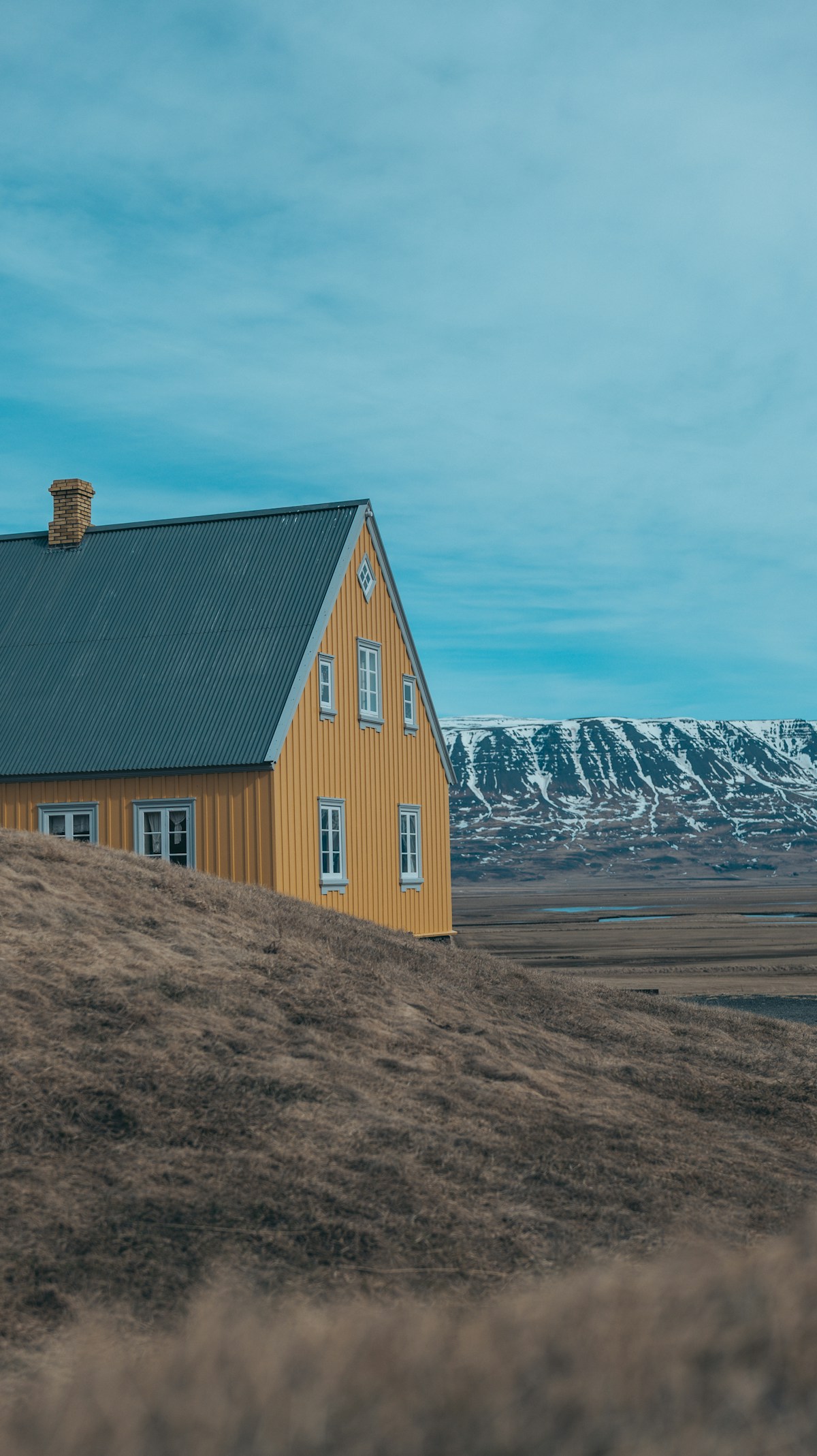
Iceland’s Ring Road (Route 1) covers approximately 1,330 km around the entire island. Most travellers complete it in 7–10 days, overnighting at the same sequence of towns and farms that line the route. Accommodation planning is the difference between a relaxed trip and a stressful scramble - the options are good, but the best ones go early.
What follows is a stop-by-stop guide with named properties, approximate area price bands as of 2026, and practical booking notes. The bands describe each town’s hotel tier, not quotes for individual properties; rates move daily, so check current prices on Booking.com for your dates.
Reykjavík (Nights 1 and Possibly 10)
Most Ring Road trips start and end in Reykjavík. Give the city at least one full day at each end - the capital has enough to fill two or three days if you want to see the National Museum, take a Reykjanes Peninsula detour, or do a Blue Lagoon visit.
Mid-range Reykjavík hotels run approximately ISK 35,000–55,000 per night in summer, and central 4-star and boutique hotels from about ISK 60,000. Fosshotel Reykjavík at Þórunnartún 1 (Höfðatorg), about 1.5 km from the centre, is a reliable mid-range choice with parking, which matters when you are collecting a rental car.
Hótel Borg on Austurvöllur square is the prestige option in central Reykjavík - art deco styling and proximity to Alþingi. Worth it for a first or last night treat; overkill for a transit stop. Compare current Reykjavík prices on Booking.com.
For budget travellers, Reykjavík dorm beds start from approximately ISK 6,500 as of 2026; Kex Hostel (Skúlagata 28) is the best-known option, with dorms and private rooms.
South Coast: Vík and Surroundings (Night 2–3)
The South Coast is Iceland’s most visited touring corridor. Properties book out faster here than anywhere else on the Ring Road. The black sand beaches at Reynisfjara, Seljalandsfoss and Skógafoss waterfall, and the Mýrdalsjökull glacier are all within a short drive.
Around Vík, guesthouses run approximately ISK 20,000–30,000 in summer, mid-range hotels ISK 40,000–55,000 and suites from ISK 55,000.
Hótel Katla at Höfðabrekka, about 8 km east of Vík, offers clean, functional rooms. Its location makes it good for early morning beach or glacier hikes.
Black Beach Suites, also near Vík, are more atmospheric - private suites with views toward Reynisfjara. The trade-off is a short drive from Vík’s limited restaurant options.
For a quieter farm setting west of the village: Hótel Búrfell (Guesthouse Steig) sits on a farm about 5 km from Dyrhólaey, well placed for Reynisfjara and Dyrhólaey at first light. See stays around Vík on Booking.com.
Höfn: Gateway to Jökulsárlón (Night 3–4)
Höfn (pronounced roughly “hup”) is the natural stop for glacier lagoon visits. Jökulsárlón is 80 km west of town; Diamond Beach is directly across the road from the lagoon.
Mid-range hotels and guesthouses in Höfn run approximately ISK 28,000–45,000 per night in summer.
Hótel Höfn is the most established property in town. Central location and reliable service. It fills fast in summer.
Milk Factory - a converted dairy building on the edge of town - is a comfortable mid-range alternative. Compare Höfn prices on Booking.com.
Staying two nights at Höfn gives time for both the glacier lagoon at dawn (when the light is best and day-trip coaches haven’t arrived) and the Vatnajökull glacier hiking tours. See our glacier tours page for operator details.
Egilsstaðir: East Iceland (Night 4–5)
Egilsstaðir is the largest settlement in East Iceland and sits at the junction for anyone taking the inland shortcut through the highlands versus driving all the East Fjord roads. The fjords add 2–3 hours but are worth the detour.
Mid-range hotels in Egilsstaðir run approximately ISK 30,000–42,000 in summer. Hótel Valaskjálf (Skógarlönd 3) offers standard mid-range facilities in the town centre; see Egilsstaðir prices on Booking.com. The birch forest around Hallormsstaðaskógur, 30 km south, is worth a short detour - it is Iceland’s largest forest, which is not saying much in global terms, but the contrast with the surrounding lava fields is striking.
If time allows, route through Seyðisfjörður - a fjord village with a distinctive church and the terminal for the Smyril Line ferry from Denmark.
Akureyri: North Iceland (Night 5–6)
Akureyri is Iceland’s second city and the base for North Iceland exploration - Lake Mývatn, Goðafoss waterfall, Húsavík for whale watching, and the Troll Peninsula are all day-trip distance.
Central mid-range hotels in Akureyri run approximately ISK 30,000–40,000 in summer. Hotel Kea is the best-known option in that tier, centrally located and consistently well reviewed; check Akureyri prices on Booking.com. Parking is limited in the centre; confirm with the hotel when booking.
Akureyri benefits from an extra night if you want to do both a Mývatn day trip and a Húsavík whale-watching departure - these are best done separately rather than rushed into one long day.
Varmahlíð and West Iceland (Night 7–8)
After Akureyri, the Ring Road heads west through Skagafjörður - Iceland’s horse country - before passing the Hraunfossar lava waterfalls and eventually looping back toward Reykjavík.
Small-town hotels along this stretch run approximately ISK 26,000–38,000 in summer. Hotel Varmahlíð in the Skagafjörður valley sits just off the Ring Road, with limited service in winter. Horse riding excursions through Hestasport are available nearby - the Skagafjörður highlands are the best place in Iceland to ride Icelandic horses on mountain terrain. See our Snæfellsnes guide for the western end of this arc.
Hótel Borgarnes provides a final stop before the last stretch back to Reykjavík; see Borgarnes prices on Booking.com.
Campervan Option
Campervans change the Ring Road equation. Instead of booking each night weeks in advance, you can adapt to weather and road conditions in real time - staying an extra night when the aurora appears or moving on early if the site is crowded.
Rental costs run approximately ISK 30,000–60,000 per day depending on size, season, and whether four-wheel drive is included (recommended for any highland detours). The Camping Card (approximately ISK 24,900 as of 2026) covers 28 nights at about 30 participating campsites - the most cost-effective accommodation option for anyone doing a full Ring Road circuit.
Downsides: campervans in July and August are in high demand and book out as early as hotel rooms. Campsites at popular sites like Skógafoss and Jökulsárlón can feel crowded in peak summer. Hot showers are not guaranteed at every site.
Get travel insurance for Iceland - policies covering glacier hikes, F-road driving, and volcanic disruption.
Pre-book Keflavík airport transfers - Flybus and private options for the 45-minute route to Reykjavík.
Pick up an Iceland eSIM before you travel - works on arrival and covers most of the Ring Road.
Booking Strategy
- June–August: Book 6–12 months ahead for the South Coast corridor and Reykjavík. Properties near Jökulsárlón and Vík go fastest.
- May and September: 2–4 months typically sufficient. Prices run 30–50% lower than peak summer.
- October–April: Winter bookings are more flexible, except Christmas/New Year. Some highland-adjacent properties close from November to April.
Check whether breakfast is included before comparing prices - many Icelandic guesthouses and smaller hotels include it, which adds real value given the cost of eating out.