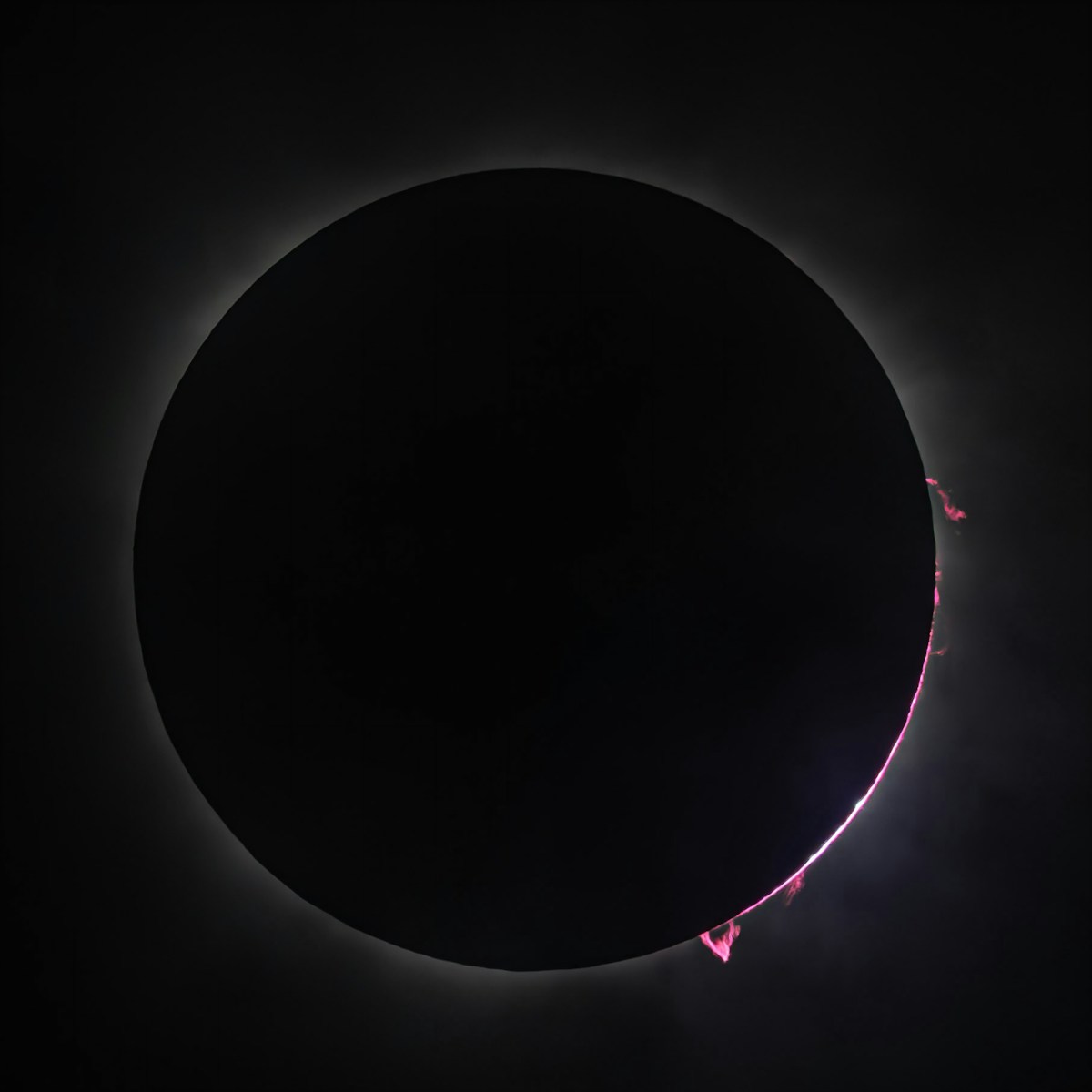
On 12 August 2026 at approximately 5:48 PM local time, a total solar eclipse will pass directly over Iceland - the country’s first since 1954 and the first over Reykjavik in 593 years. If you are in Iceland that day, or considering a trip specifically to witness it, here is what the experience will look like and how to place yourself for the best view.
The Eclipse Path Over Iceland
The path of totality - the narrow corridor within which the moon fully blocks the sun - crosses eastern Greenland before tracking southwest along Iceland’s west coast. It then continues into northern Spain and a sliver of Portugal before ending over the Atlantic.
Within Iceland, the path clips the western edge of the country rather than crossing the interior. This means location matters significantly:
- Downtown Reykjavik: approximately 59 seconds of totality, beginning at 5:48 PM GMT
- Keflavik and the Reykjanes Peninsula: approximately 1 minute 39 seconds of totality, the longest duration available in Iceland due to its position closer to the path’s centreline
- West Iceland (Snæfellsnes, Borgarnes): within or near the path - longer totality than the capital for travellers positioned further north on the peninsula
- Akureyri and North Iceland: outside the totality path; observers will see a deep partial eclipse but not totality
For maximum duration, positioning yourself on the Reykjanes Peninsula - around Keflavik or Grindavík - adds roughly 40 seconds over central Reykjavik.
What to Expect During Totality
A total solar eclipse is a fundamentally different experience from a partial eclipse. In the seconds before totality, temperatures drop, animals behave strangely, and the horizon shows a 360-degree sunset. During totality itself - the only period when it is safe to look directly at the sun without protection - the corona becomes visible as a halo of white light around the moon’s silhouette. Stars appear in the darkened sky. Then, as the moon moves on, daylight snaps back.
At 59 seconds, Reykjavik’s window is brief but real. Keflavik’s 99-second totality gives a more substantial experience.
Weather: The Main Variable
Iceland’s summer weather is genuinely unpredictable. Even in August, cloud cover is common along the west coast. Travellers who fix their position in advance and get unlucky with clouds will miss totality entirely - cloud is the primary reason eclipse-chasers miss events they have travelled thousands of kilometres to see.
The practical strategy is to plan a base in the Reykjavik-Keflavik corridor but build in flexibility to drive toward breaks in cloud cover on the day. The Reykjanes Peninsula’s road network allows quick repositioning over 20–30 kilometres. Check the Icelandic Met Office (vedur.is) for short-term forecasts in the days before 12 August - five-day forecasts become reliable around 7–8 August.
Visitor Numbers and Booking
Icelandic tourism officials and eclipse travel operators are expecting a significant surge in visitors around the eclipse date. If you plan to be in Iceland on 12 August, accommodation and car rental in the Reykjavik area for the nights of 11–12 August should be booked well in advance. Prices will be substantially higher than the surrounding weeks.
For general advice on visiting Iceland in August - weather, daylight hours, what else to see - see our Iceland in August guide.
Getting There
Keflavik International Airport serves Reykjavik with direct connections from dozens of North American and European cities. The August summer schedule is Iceland’s busiest, with multiple daily departures from major hubs. See our flights to Iceland guide for a full breakdown of routes and airlines.
If you are already planning a summer trip to Iceland and the eclipse falls within your dates, you are in an excellent position - simply ensure you are within the totality path on 12 August.