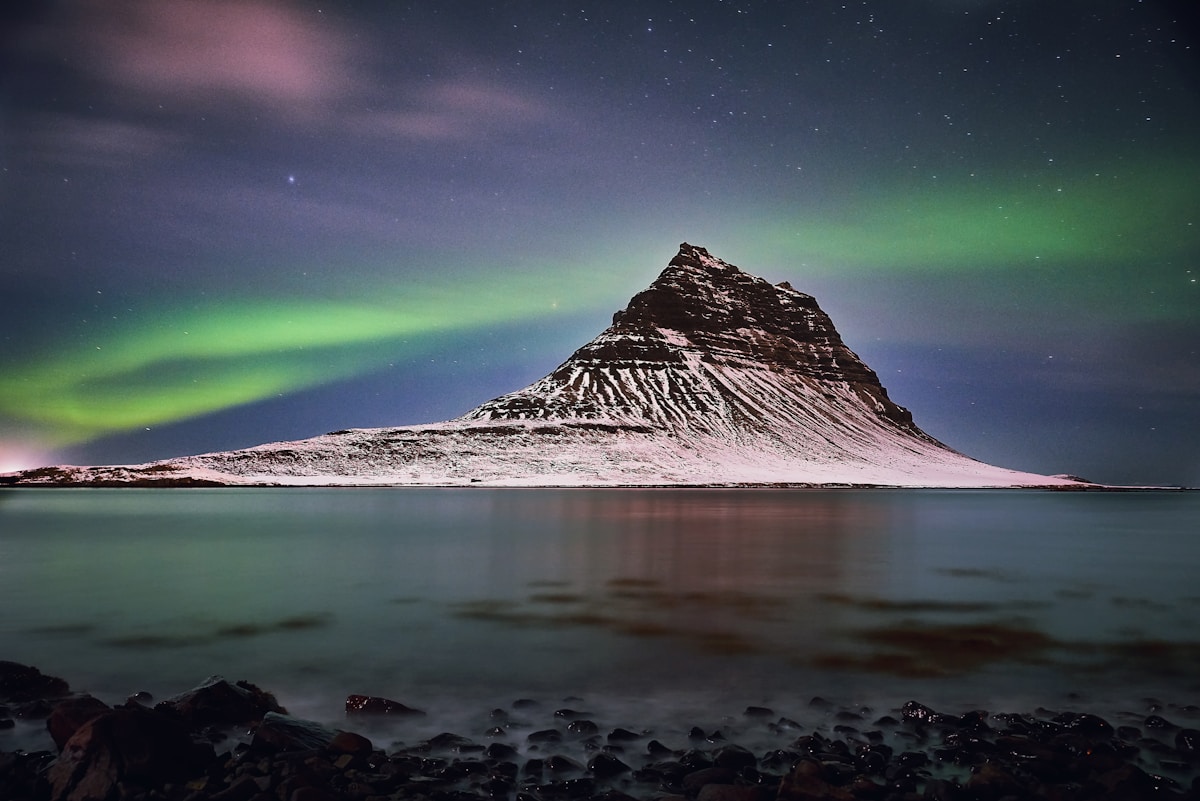
After months of continuous daylight, darkness is returning to Iceland. From around 20 August 2026, the nights are dark enough to see the northern lights again — and tour operators across Reykjavik are restarting their aurora departures after the summer pause.
This is the beginning of the aurora window, not the peak. The first weeks of the season tend to offer the clearest skies before autumn cloud cover builds, and the lower visitor numbers compared to October or February mean less competition for spots on tours.
Northern Lights Tours Restarting
Aurora tours from Reykjavik typically run between 21:00 and midnight, with drivers heading away from the city to minimise light pollution. Operators including Aurora Reykjavik and guides through Reykjavik Excursions are resuming departures from around 20 August.
Most tour operators offer a free rebooking policy if cloud cover obscures the lights — a standard practice in Iceland, where conditions can change quickly. Booking in advance is advisable but not essential in August; availability tightens considerably from late September onwards.
What you need to see the lights: a clear, dark sky and a reasonably active solar period. The aurora forecast from the Icelandic Meteorological Office is updated every three hours and is the most reliable tool for timing a viewing attempt.
Reykjavik Jazz Festival: 25–30 August
Running concurrently, the Reykjavik Jazz Festival (Jazzhátíð Reykjavíkur) takes place 25–30 August with performances across downtown venues. The festival mixes Icelandic artists with international acts, and most of the outdoor and smaller venue performances are free. This makes late August one of the more appealing weeks to be in the capital — active evenings in town and the possibility of seeing the aurora after the shows end.
Practical Notes for August
August evenings in Iceland can be cold — temperatures in Reykjavik drop to 7–10°C at night, and wind chill is a factor on any open ground. Layering is essential for any outdoor aurora viewing.
The midnight sun period officially ends in late July, but usable darkness for aurora viewing typically does not arrive until the second half of August. From 20 August onwards, twilight deepens enough after 23:00 to provide the dark sky conditions aurora photography requires.
For what to expect across the season, our northern lights Iceland guide covers viewing windows, locations, and photography tips. For planning when to visit more broadly, our best time to visit Iceland guide covers the full seasonal calendar.