Solo Travel in Iceland: Complete Guide
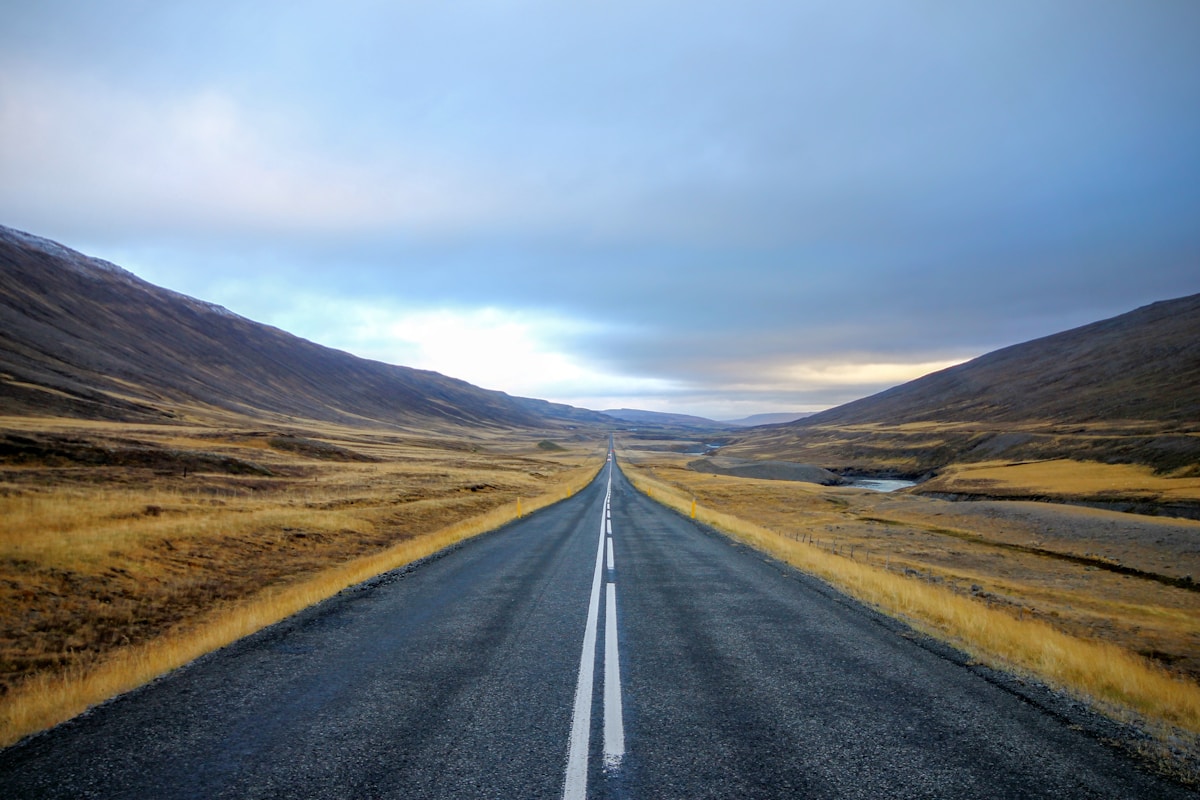
Iceland is a practical and genuinely safe destination for solo travel. The country has a well-established independent travel infrastructure — car hire companies, a campsite network, and a social hostel scene in Reykjavík that makes meeting other travellers straightforward. The costs are manageable with the right approach. The main challenge is the solo supplement: paying for a car and accommodation alone, without shared costs.
Safety
Iceland is statistically one of the safest countries in the world. Violent crime is extremely rare. The main risks are environmental:
- Sneaker waves at Reynisfjara and other black sand beaches — multiple tourist fatalities have occurred. Never turn your back to the ocean on black sand beaches. Stay well back from the waterline.
- Changing weather — conditions change rapidly, especially in the highlands and on the Snæfellsnes Peninsula. Check vedur.is before any outdoor activity.
- Remote hiking — if you are hiking solo in areas without mobile signal (which includes much of the highlands), file a trip plan at safetravel.is. The Icelandic Search and Rescue (Landsbjörg) operates this service free of charge.
- F-roads — river crossings on highland roads require experience and good judgement. Solo solo F-road driving is higher risk than group travel.
Register your itinerary at safetravel.is — takes five minutes and means emergency services have your route if you do not return on time.
Getting Around Solo
Rental Car (Recommended)
A rental car is the most practical option for solo travel in Iceland. It gives you control over your own schedule — no waiting for tour buses, no fixed itinerary. A small compact car (ISK 8,000–12,000/day) is sufficient for the Ring Road. See the Iceland car rental guide for insurance and car type details.
Solo cost: Without anyone to split with, the full daily rental rate falls on you. For a seven-day trip with a compact car at ISK 10,000/day plus fuel, budget approximately ISK 85,000–100,000 in driving costs alone.
Organised Tours
If car hire is not in your budget or you would prefer to meet other travellers, day tours from Reykjavík cover most major sites: the Golden Circle, South Coast, Snæfellsnes, and northern lights hunting. Larger group tours are often cheaper per attraction than solo driving.
The advantage: you will be with other travellers (often solo) on most tours, which is a practical way to meet people.
Campervan
A campervan eliminates the accommodation line item and is popular with solo Ring Road travellers. The cost (ISK 25,000–40,000/day for a small 2WD campervan) is higher than a compact car but replaces the cost of accommodation — the total daily spend can be similar or lower than car plus hostel. See the camping in Iceland guide for campsite costs and the Camping Card.
Social Hostels in Reykjavík
Reykjavík has several hostels with a genuinely social atmosphere that work well for solo travellers wanting to meet people.
Kex Hostel (kexhostel.is): The most well-known social hostel in Reykjavík. Bar on-site, regular music events, a mix of solo travellers and small groups. Dorm beds from approximately ISK 6,500/night as of 2026. Located on Skúlagata near the harbour.
Loft Hostel (lofthostel.is): Central location on Bankastræti. Rooftop bar with views, social common areas, regular events. Dorm beds from approximately ISK 6,000/night. Slightly smaller than Kex and tends to attract a slightly younger crowd.
Both hostels have private rooms available if you prefer not to share a dorm — these cost significantly more (approximately ISK 18,000–25,000/night) but still less than a standard guesthouse single room.
Joining Group Tours for Activities
Solo travellers often combine independent Ring Road driving with joining group tours for specific activities. This makes economic and social sense for:
- Ice cave tours — these require guides regardless, so solo or group entry cost is similar
- Glacier hiking — same point; guides are mandatory
- Whale watching — boat tours are always group-based; you’ll be with other travellers
- Snorkelling at Silfra — small group tour, good for meeting people
- Northern lights tours — popular with solo travellers; group minibus format
Most activity tours depart from Reykjavík city centre and BSÍ bus terminal.
Ring Road Solo Tips
Plan your accommodation in advance for July. Guesthouses on the Ring Road book out, especially in remote areas. You cannot rely on finding a last-minute room in Höfn, Egilsstaðir, or Akureyri in peak season.
Check in with someone daily. When driving remote sections alone, let a contact know your route and check-in time. This is precautionary and applies particularly to West Iceland, the East Fjords, and any highland driving.
Avoid rushing. The Ring Road is 1,332 km. Seven days is a minimum; ten to fourteen days allows you to stop, adjust, and go back to places that interest you — the main advantage of solo travel.
Weather holds your schedule. Solo travel in Iceland means no group consensus to override the weather. If conditions are poor on a planned glacier hike day, wait a day. Flexibility is the solo traveller’s advantage.
Solo Costs: Single Supplement Problem
Iceland’s accommodation market has a notable single supplement problem. A double room at a standard guesthouse costs approximately ISK 28,000–45,000/night regardless of occupancy. As a solo traveller paying full double rate, your accommodation cost per person is equivalent to two people sharing.
Solutions:
- Hostel dorm beds (ISK 6,000–8,500/night) eliminate the supplement
- Campervans bypass accommodation costs entirely
- Connecting with other solo travellers at hostels and splitting car rental is informal but common
For budget context, a practical solo Ring Road trip on a tight budget — dorm hostel or campervan, supermarket meals, compact rental car — can be done for approximately ISK 25,000–30,000/day in shoulder season.
Frequently Asked Questions
- Is Iceland a good destination for solo travellers?
- Yes. Iceland has several advantages for solo travellers: it is one of the world's safest countries, English is spoken everywhere, the infrastructure for independent travel (car hire, campsites, hostels) is well-developed, and the Ring Road circuit is a natural solo itinerary. The main challenge is cost — solo travellers pay single supplement hotel rates and don't split car rental or petrol.
- Is Iceland safe for solo women travellers?
- Iceland consistently ranks among the top countries in the world for gender equality and personal safety. Solo female travellers are well-catered for in Reykjavík's hostel scene, and the main safety concerns in Iceland are environmental (weather, terrain, sneaker waves) rather than personal safety. The same advice applies as for all solo travellers: tell someone your itinerary when hiking in remote areas, check road.is before driving, and avoid isolated black sand beaches alone in rough weather.
- How much does solo travel in Iceland cost per day?
- Budget solo travel with hostel accommodation (shared dorm), self-catering, and a rental car shared across your costs: approximately ISK 25,000–35,000/day. Mid-range with private guesthouse rooms, some restaurant meals, and a compact rental car: approximately ISK 45,000–65,000/day. The single supplement on hotel rooms and the solo car rental overhead make Iceland expensive for solo travellers compared to shared costs.