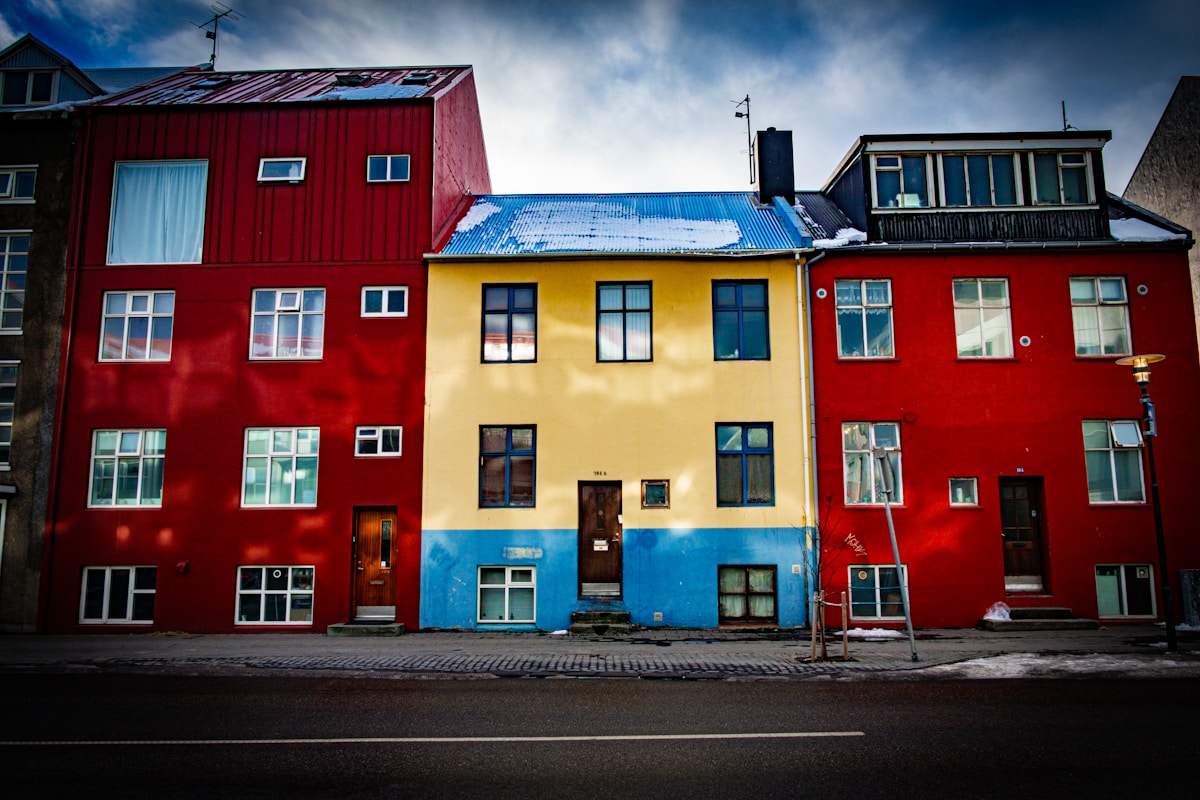
Iceland is a genuinely unusual destination - one of the world’s most geologically active landscapes, with an infrastructure that makes it accessible to independent travellers while remaining wild and remote once you leave the main roads. These are the key things to know before your first visit.
Plan and Book Ahead
Iceland’s accommodation and major tours book up 2–3 months ahead for summer (June–August). The Blue Lagoon sells out constantly. Popular glacier walks and Silfra snorkelling have fixed daily capacities. Huts on the Laugavegur trail book in February for the following summer.
Book before you go: Accommodation, Blue Lagoon (bluelagoon.com), glacier walks, Silfra snorkelling, whale watching in Húsavík, and any guided tours with fixed capacities. If you’re travelling alone, our Iceland solo travel guide covers independent Ring Road planning, hostel culture, and how to join aurora and glacier tours as a solo traveller.
If your plans have shifted and you’re booking at short notice, our last-minute tours page lists Iceland activities with spots still open in the next few days.
Currency and Payments
Iceland uses the Icelandic Króna (ISK). Cards are accepted almost everywhere - including small farms, remote petrol stations, and market stalls. Cash is rarely needed but it’s worth having ISK 5,000–10,000 for emergencies. ATMs are available at Keflavík Airport and throughout Reykjavík.
As of 2026: approximately ISK 140–150 = £1 / approximately ISK 100 = $1 USD. Check current rates before travel.
Getting Around
A rental car is effectively mandatory for seeing Iceland beyond Reykjavík. Public buses (Strætó) connect major towns but infrequently. Tours cover the main sights but on fixed schedules.
Hire a car in Iceland in advance - prices increase significantly in summer. A basic 2WD is sufficient for the Ring Road and most attractions. F-roads and highland routes require a 4WD with high clearance.
What to Pack
Iceland’s weather changes rapidly year-round. Pack:
- Waterproof jacket and trousers (not optional)
- Warm insulating layer (fleece, down)
- Hat, gloves, and a neck gaiter
- Sturdy waterproof hiking boots
- Multiple base layers (moisture-wicking)
- Eye mask (essential June–July - it doesn’t get dark)
- Sunscreen (UV is significant, especially on glaciers)
Key Safety Rules
Reynisfjara black sand beach: Stay at least 30 metres from the waterline. Sneaker waves have killed multiple tourists. The danger is constant and not exaggerated.
Glaciers: Never walk on a glacier without a qualified guide. Crevasses are concealed.
River crossings: Highland river crossings in F-road areas can be extremely dangerous. Never cross a flooded river. Wait for water levels to drop.
Weather: Get a forecast at vedur.is before every day of driving or hiking. Conditions can deteriorate rapidly.
Emergency number: 112
Tipping
Not customary in Iceland. Service charges are included in restaurant prices. You won’t cause offence by not tipping.
Internet and Connectivity
Iceland has excellent mobile coverage on Route 1 and in all towns. Coverage drops in the highlands and remote areas. Most accommodations have Wi-Fi. An Icelandic SIM (from Síminn, Nova, or Vodafone Iceland - available at airport) gives the best data speeds. Airalo eSIMs work for Iceland. See our Iceland eSIM guide for a full comparison of eSIM options.
Planning Further
- Iceland budget - What a mid-range and budget Iceland trip actually costs, with day-by-day breakdowns
- Iceland visa requirements - Who needs a visa for Iceland and how to apply
- Iceland travel insurance - What cover you need for glacier hiking, F-roads, and volcano activity
- Iceland airport transfers - Flybus, shared shuttles, and private transfers from Keflavík to Reykjavík
- Flights to Iceland - Main airlines, seasonal routes, and best booking windows
- Basic Icelandic phrases - The words and signs worth knowing before you arrive
- Iceland currency - ISK exchange rates, card acceptance, and how to avoid fees
- Iceland packing list - What to pack for Iceland in every season
- Essential apps for Iceland - Weather, road conditions, aurora forecasts, and navigation
- Iceland grocery stores - Where to shop, cheapest chains, and self-catering tips
- Is Iceland safe? - Safety, natural hazards, and what to watch out for
- Campervan vs car rental Iceland - Which is right for your trip, with cost comparison
- Icelandair stopover guide - Add Iceland free to any transatlantic flight: how to book and what to do
- Iceland stopover itinerary - 1, 2, and 3-day plans for an Icelandair layover
Plan Your Trip
✈️ Book your flights to Iceland 🛡️ Get travel insurance 📱 Stay connected with an eSIM 🚗 Rent a car