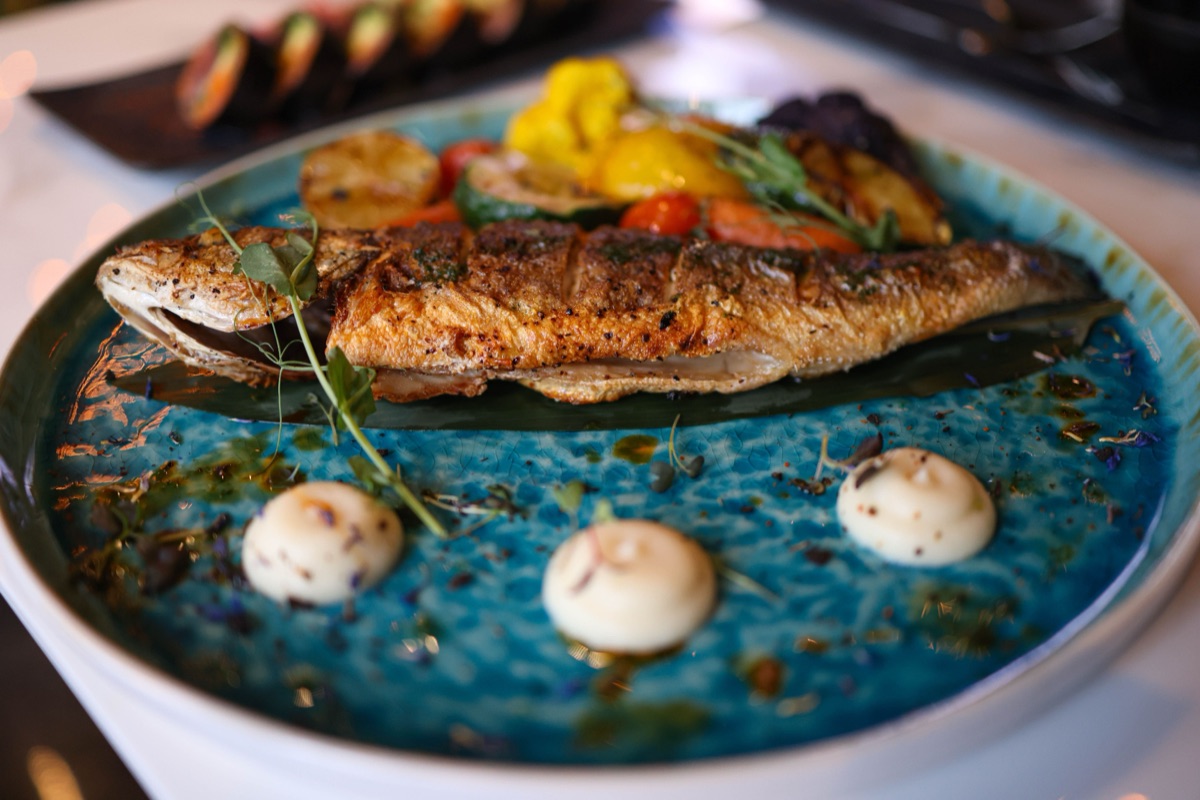
Icelandic cuisine is shaped by the environment: a North Atlantic island with no agriculture beyond pasture, fishing grounds among the richest in the world, and geothermal energy that enables greenhouse growing. The traditional diet was almost entirely protein - lamb, fish, and dairy - with rye bread baked in the ground using geothermal heat. Modern Icelandic cooking takes these high-quality local ingredients seriously.
The Essential Icelandic Ingredients
Icelandic Lamb (Lambakjöt) Icelandic sheep spend the summer roaming free in the highlands, eating grass, wild herbs, and berries. The result is lamb with an intense, complex flavour unlike factory-farmed equivalents. Slow-braised lamb shank (lambalæri) or lamb soup (kjötsúpa) are the classic preparations. Worth ordering anywhere that serves it properly.
Skyr Technically classified as cheese, consumed as a yogurt. A cultured dairy product with a thick, creamy texture and high protein content. Icelanders eat it at almost every meal. Mild in flavour and available plain or flavoured. The Icelandic version (Íslenski skyrinn) tastes different from the international skyr sold in UK and European supermarkets. Try it plain with Icelandic blueberries (bláberjasskyr).
Icelandic Fish Arctic char (bleikja), cod (þorskur), and haddock (ýsa) are the most common. Arctic char is a freshwater species - milder than salmon, with a delicate pink flesh. Plokkfiskur (fish stew with potatoes and béchamel) is the classic everyday fish dish.
Langoustine (Humar) Iceland’s luxury ingredient. Small, sweet-fleshed lobster-like crustaceans caught in Icelandic waters. Best at the source - Höfn, the self-proclaimed langoustine capital of Iceland. Grilled with garlic butter or in a bisque.
Rúgbrauð (Rye Bread) Dense, dark, slightly sweet rye bread traditionally baked in pots buried in geothermal ground (still done at Laugarvatn Fontana and Landmannalaugar). Not something you’d eat daily for pleasure but a genuine piece of Icelandic food culture.
Traditional Dishes
Kjötsúpa - Lamb soup with root vegetables (turnip, carrot, potato). The national comfort food. Found in every café and restaurant. Approximately ISK 2,000–3,000 a bowl.
Plokkfiskur - Fish stew made from flaked cod or haddock with potatoes, onion, and white sauce. A traditional sailor’s dish. Often served with rye bread.
Skyr-based desserts - Skyrhroka (baked skyr cake), skyr with cream and sugar, skyr with Icelandic berries.
Brennivín - Iceland’s signature spirit, nicknamed ‘Black Death’. A caraway-flavoured schnapps traditionally drunk with hákarl. Clear, spirit-level strength, caraway-forward flavour. Approximately ISK 1,500–2,000 for a shot in a bar.
Pylsur: The Icelandic Hot Dog
Bæjarins Beztu Pylsur on Tryggvagata in Reykjavík has been serving hot dogs since 1937. The hot dog itself is a mix of lamb, pork, and beef. Order “ein með öllu” (one with everything) for remoulade sauce, raw onion, crispy fried onion, ketchup, and mustard. ISK 650. The most democratic food experience in Iceland.
Modern Icelandic Cuisine
A generation of Icelandic chefs have elevated local ingredients using Nordic techniques: fermentation, smoking, curing, and foraging. Restaurants like Dill (Reykjavík) have brought international attention to Icelandic cuisine. Key techniques: slow-cooking, brown butter, fermented dairy, birch smoke.
What Not to Bother With
The tourist restaurants around Laugavegur selling generic burgers and pizza are not using Iceland’s good ingredients. They exist for convenience but give no sense of Icelandic food culture. Prioritise restaurants that specify Icelandic lamb, local fish, or a chef with a genuine menu over any generic international offering.
Take a Guided Food Tour of Reykjavík
A guided food tour is the most efficient way to experience Reykjavík’s food culture on a first visit. In two to three hours, tours typically cover the pylsur kiosk at Bæjarins Beztu, harðfiskur and traditional snacks at Kolaportið flea market, and two or three tastings at restaurants along the Old Harbour and Laugavegur. A local guide provides the cultural context — why hákarl smells the way it does, how skyr differs from yoghurt, and what the New Nordic movement actually changed about Icelandic cooking. Most tours include five to eight tastings and a stop at Hlemmur food hall for a broader overview of modern Icelandic eating. Prices start from approximately ISK 12,000.
Browse Reykjavík food tours — guided tastings, market visits, and harbour walks covering Icelandic food culture.
Get travel insurance for Iceland - policies covering glacier hikes, F-road driving, and volcanic disruption.
Further Reading
- Best restaurants in Reykjavík - Top picks across all budgets in the capital
- Street food in Reykjavík - Hot dogs, market stalls, and casual eating
- Icelandic seafood guide - Arctic char, langoustine, cod, and how to order them
- Vegan Iceland - Vegan-friendly restaurants and food options across the country
- Vegan Reykjavík - The capital’s dedicated vegan and plant-based scene
Plan Your Stay
Find hotels in Iceland — search accommodation across all budgets in Iceland.