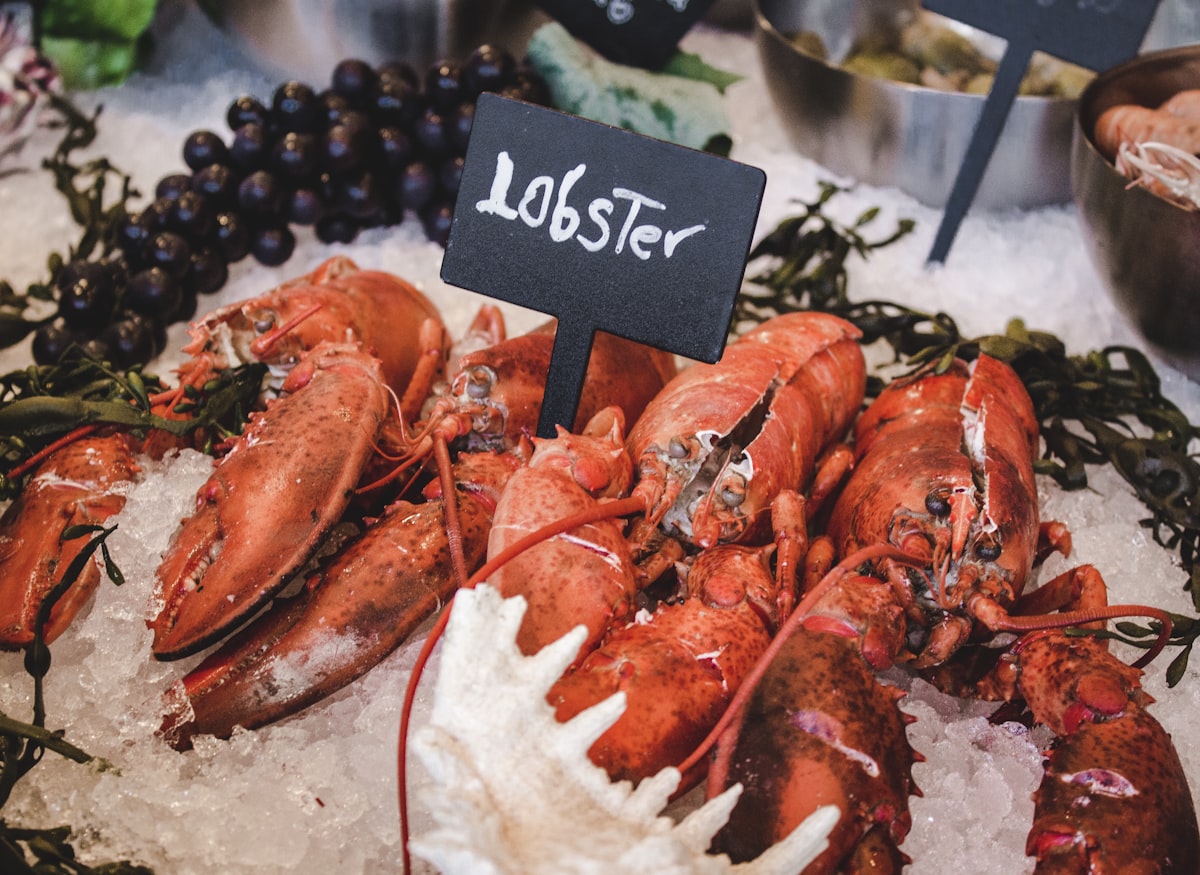
Iceland’s fishing grounds in the North Atlantic and Arctic seas are among the richest and best-managed in the world. The cold, nutrient-dense water produces fish with excellent flavour, and Iceland’s quota system has maintained stock health better than most European fisheries. For food travellers, Iceland’s seafood is the most distinctive and high-quality part of the cuisine.
Key Species
Arctic Char (Bleikja)
A freshwater species from Icelandic lakes and rivers. Milder than salmon, with a delicate flavour and pink flesh. Often served with brown butter, capers, and root vegetables. Found on menus across Iceland. One of the most sustainable fish choices available.
Where to eat it: Rub23 in Akureyri does it particularly well. Matur og Drykkur in Reykjavík serves it in traditional preparations.
Cod (Þorskur)
The fish that built Iceland’s economy. Dried cod (harðfiskur) is an ancient preserved form still sold as a snack - dried flat fillets eaten with butter. Fresh cod in plokkfiskur (fish stew with potato and cream sauce) is the most traditional preparation.
Langoustine (Humar)
Iceland’s luxury ingredient. Technically a Norway lobster - a small crustacean with sweet, dense meat in the tail. Caught in abundance in Icelandic waters but largely exported. In Höfn they’re grilled whole with garlic butter and served with bread for dipping in the cooking juices.
Annual festival: The Humarhátíð (Langoustine Festival) in Höfn each June. The town’s main event - langoustine is served every way imaginable.
Haddock (Ýsa)
More common than cod in some preparations. A leaner, slightly sweeter fish. Often in fish and chips at Reykjavík casual restaurants.
Monkfish (Skötuselur)
Premium white fish, increasingly common on Reykjavík menus as chefs find uses for less familiar species.
Herring (Síld)
Historically Iceland’s most valuable fish - the Siglufjörður herring industry was the biggest in the North Atlantic in the early 20th century. Herring is still eaten pickled (marinated in vinegar and spices) as a starter or on open sandwiches.
Where to Eat Icelandic Seafood
Höfn - The unquestioned langoustine capital. Humarhöfnin (mains ISK 5,900–8,000) and the surrounding harbour restaurants serve freshly caught langoustine.
Ísafjörður (Westfjords) - Tjöruhúsið restaurant: an all-you-can-eat fish buffet serving whatever was landed that morning, cooked over open flames in cast-iron pans at the table. Approximately ISK 6,500–7,500 adult as of 2026. Open roughly May–September only (closed in winter). No reservations taken - arrive early as the restaurant fills fast in summer. Cash and card accepted. The combination of the harbour setting and the freshness of the fish makes this one of Iceland’s genuinely unmissable meals.
Húsavík - Gamli Baukur harbour restaurant. Fresh fish landed in Skjálfandi bay. Mains approximately ISK 3,500–5,800.
Reykjavík - Sægreifinn (lobster soup, ISK 1,600–2,000), Fiskfélagið (modern fish dishes, ISK 4,000–7,000), Grillmarkaðurinn (langoustine and char, ISK 4,500–8,000). To visit multiple spots in one outing, a guided Reykjavík food tour covers Sægreifinn, the Old Harbour market, and modern Icelandic fish restaurants in two to three hours.
Best Fish to Try in Iceland: Quick Guide
If you only have limited time or stomach space, here is where to prioritise:
| Fish | Best Preparation | Where to Order | Price Range |
|---|---|---|---|
| Arctic char (bleikja) | Pan-fried with brown butter | Fine dining in Reykjavík, Akureyri | ISK 4,000–6,500 |
| Langoustine (humar) | Grilled whole in garlic butter | Höfn — Pakkhús or Ósinn | ISK 6,500–13,000 |
| Cod in plokkfiskur | Stew with potato and cream | Any traditional restaurant | ISK 2,800–4,500 |
| Herring (síld) | Pickled, on open sandwich | Markets, casual restaurants | ISK 1,200–2,200 |
| Catfish (steinbítur) | Grilled or baked | Húsavík, north Iceland | ISK 3,500–5,500 |
For first-time visitors: Order plokkfiskur once (the national comfort food), Arctic char at a sit-down restaurant, and langoustine in Höfn if your route takes you east. That combination covers Iceland’s seafood identity across three very different experiences.
For travellers on a budget: Harðfiskur (dried fish) from a supermarket at ISK 800–1,500 is Iceland’s most affordable authentic seafood experience — pull apart a bag of wind-dried cod with butter on a South Coast picnic. It is what Icelanders have eaten for a thousand years.
Harðfiskur (Dried Fish Snack)
Dried cod or haddock, sold in bags at every Icelandic supermarket. Eaten like a snack with butter - the butter softens the intense saltiness and the texture is chewy. A genuinely Icelandic experience and one of Iceland’s more accessible traditional foods. Approximately ISK 800–1,500 per bag.
Book a Guided Seafood Food Tour
A guided food tour of Reykjavík’s harbour and market is the most direct introduction to Iceland’s seafood culture. In two to three hours, tours cover Sægreifinn on the Old Harbour (famous for lobster soup at ISK 1,600–2,000), harðfiskur at Kolaportið flea market, and one or two tastings at modern Icelandic fish restaurants where Arctic char and langoustine are served in New Nordic preparations. A local guide explains the difference between the main species, what to look for in quality, and which restaurants are worth the premium. Most tours include five to seven tastings. Prices start from approximately ISK 12,000.
Browse Reykjavík food tours — seafood tastings, market visits, and guided harbour walks.
Get travel insurance for Iceland - policies covering glacier hikes, F-road driving, and volcanic disruption.
Find hotels in Reykjavík — central options within walking distance of the Old Harbour seafood restaurants and Kolaportið flea market.
Related Guides
- Icelandic food guide - The full breakdown of Icelandic cuisine, traditional dishes, and what to eat
- Best restaurants in Reykjavík - Our top picks across fine dining, mid-range, and budget eating
- Höfn travel guide - Iceland’s langoustine capital - the best place to eat humar fresh off the boat
- Húsavík travel guide - North Iceland’s whale watching town with excellent harbour seafood restaurants
- Ísafjörður travel guide - Tjöruhúsið, the all-you-can-eat fish buffet, is one of Iceland’s best seafood experiences
- Reykjavík food tours - Guided tastings covering Icelandic fish, skyr, and street food across Reykjavík’s best spots