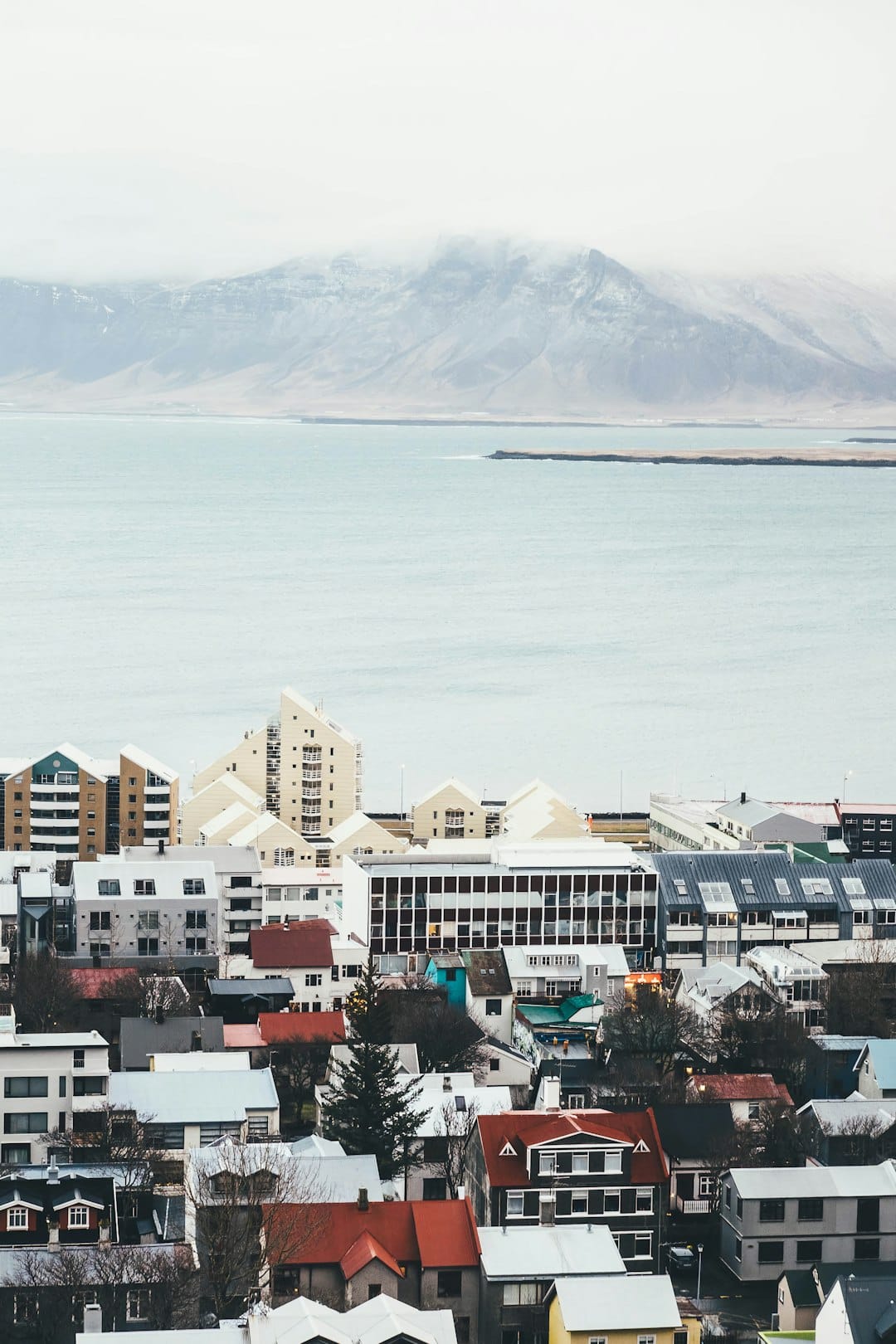
Reykjavík is a compact capital - the entire inner city is walkable - but where you stay still shapes your experience. A room on Laugavegur puts you above the noise of the street on weekend nights; a room in Grandi gives you harbour quiet and a five-minute walk to the whale-watching piers. This guide breaks down every main district, names specific hotels with current price ranges, and covers the airport transfer question that trips up most first-time visitors.
Reykjavík areas at a glance
Four areas cover most stays; budget options sit under ISK 25,000 a night and mid-range hotels run approximately ISK 28,000-55,000 (as of 2026).
| Area | Best for | Keep in mind |
|---|---|---|
| 101 Central (Laugavegur, Austurvöllur) | Restaurants, shops, nightlife | Small price premium; street-facing rooms can be loud after 1am |
| Grandi (harbour district) | Whale-watching departures, harbour dining | West of the Old Harbour, fast-changing area |
| Hlemmur and East 101 | Better value near the main bus interchange | Food hall nearby; quieter than western Laugavegur |
| Laugardalur | Families, quieter stays | About 3km east of the centre; home to Iceland’s largest public pool complex |
The Airport Transfer You Need to Sort First
Nearly all international flights arrive at Keflavík International Airport (KEF), 50km southwest of Reykjavík. The distance matters more than it sounds - a taxi costs approximately ISK 15,000–18,000 one way, and that is real money when you have already bought a flight, hired a car, or booked tours.
The smarter option for most travellers is the Flybus, operated by BSÍ. The standard one-way fare is approximately ISK 3,999, with hotel door-to-door transfers adding roughly ISK 1,000–1,500 on top. Journey time is around 45–50 minutes to the BSÍ terminal; add another 20–40 minutes if you opt for the hotel transfer service.
If you are hiring a car - which most Ring Road itineraries require - you can pick it up at KEF itself, driving directly to Reykjavík on the Reykjanesbraut expressway. Budget around 45 minutes. See our airport transfers guide for current timetables and booking links, and our car hire guide for rental options from KEF.
There is also Reykjavík Domestic Airport (RVK), located at Vatnsmýri just 3km from the city centre. This serves internal routes to Akureyri, Ísafjörður, the Westman Islands, and seasonal Greenland connections. If you are connecting onwards within Iceland, this is your departure point - entirely separate from Keflavík.
Neighbourhoods at a Glance
101 Central - Laugavegur and Austurvöllur
The 101 postcode is Reykjavík’s beating centre. Laugavegur is the main commercial street - bookshops, vintage clothing, coffee roasters, and the best concentration of restaurants in the country. Austurvöllur is the small parliament square at the western end, ringed by Hotel Borg and older stone buildings. Everything is within walking distance: Hallgrímskirkja, Harpa Concert Hall, the old harbour, and the main bus hub at Hlemmur.
Staying here means you pay a small premium, and street-facing rooms can be loud on weekend nights when the bars empty out after 1am. Ask for a rear room if light sleeping is important to you.
Grandi - The Harbour District
West of the old harbour, Grandi has become Reykjavík’s most rapidly evolving neighbourhood over the last decade. The whale-watching operators dock here, and the area has accumulated strong restaurants, the Reykjavík Maritime Museum, and the Canopy by Hilton. It is quieter than the 101 core at night, still walkable to Laugavegur (15–20 minutes on foot), and has a slightly younger, design-forward feel.
Hlemmur and East 101
Hlemmur is the main bus interchange at the eastern end of Laugavegur. The area around it has gentrified - the food hall here is worth a visit. Accommodation in this zone is typically better value than the western end of Laugavegur while still being in easy walking distance of all main attractions.
Laugardalur
Around 3km east of the centre, Laugardalur is home to the largest public swimming pool and spa complex in Iceland. It is a predominantly residential area that suits families or travellers who prefer a quieter base and don’t mind a short bus ride or taxi into the centre. Hotels here are often newer and cheaper per room than their 101 equivalents.
Budget Hotels and Hostels in Reykjavík (Under ISK 25,000)
Kex Hostel is the best-known budget option in the city. It occupies a converted biscuit factory on Skúlagata, a short walk from the old harbour. It has both dorms and private rooms; rates vary by season, so check current Kex prices on Booking.com. The in-house bar is above-hostel standard, and the overall atmosphere draws a mix of solo travellers and people on extended Nordic trips.
Pod hostels take a more compact approach: individual sleeping pods rather than open dorm rooms, each with a privacy curtain and charging point. Pod and dorm beds in Reykjavík generally start from approximately ISK 7,000 per person (as of 2026), and the pod hostels on and around upper Laugavegur keep you within walking distance of the centre. To compare dorm beds and private rooms across the city, see hostels in Reykjavík on Hostelworld.
Self-catering apartments around Hlemmur, such as Hlemmur Suites on Laugavegur, generally run in the ISK 18,000–24,000 range for a studio, which makes them competitive with hostel private rooms once you factor in the ability to cook your own breakfasts. The kitchen access also helps with the food budget - Reykjavík restaurants are expensive by any measure.
Mid-Range Hotels in Reykjavík (ISK 28,000–55,000)
Central mid-range doubles run approximately ISK 28,000–55,000 in summer and drop by roughly a third in winter (area bands as of 2026, not quotes for individual hotels). Rates move daily, so check current Reykjavík prices on Booking.com for your dates.
Hotel Borg sits directly on Austurvöllur opposite the Alþingi parliament building. Built in 1930 in art deco style, it is one of the oldest hotels in the country still operating. The bar is one of the best in Reykjavík and the location is genuinely hard to beat.
Centerhotel Skjaldbreið sits on Laugavegur itself - you are in the middle of everything. Rooms are modern rather than characterful, but the standard is reliable and prices sit in the middle of the band, which is reasonable given the address.
Apotek Hotel occupies a 1917 pharmacy building on Austurstræti. The interiors are light and high-ceilinged with original architectural details retained. Breakfast is included in most room rates, which meaningfully changes the value calculation when Reykjavík café breakfasts cost ISK 3,000–4,500 per person.
Canopy by Hilton Reykjavík on Smiðjustígur, just off Laugavegur, is the newest of these four and arguably the best for travellers who want design-forward rooms in the middle of 101. It sits at the upper end of the mid-range band in peak summer. Self-drivers should check parking before booking, as street parking in the 101 core is metered.
Luxury Hotels in Reykjavík (ISK 65,000+)
Hotel Holt on Bergstaðastræti in the Þingholt quarter of 101 positions itself as Iceland’s premier art hotel. The walls are hung with one of the largest private collections of Icelandic art in the country - over 500 pieces by 20th-century Icelandic masters. The restaurant is consistently rated among the best in the city.
For something further afield, The Retreat at Blue Lagoon (47km from Reykjavík, directly adjacent to the geothermal spa) has been operating since 2018. It sits well above the rest of the luxury band, and rates include unlimited access to the Blue Lagoon itself. It is not a city hotel - you are staying within the lava field, near Keflavík Airport - but for a one or two-night Iceland experience it is among the most memorable options in the country.
Ion Adventure Hotel, 45 minutes east of Reykjavík near Þingvellir, offers a different kind of luxury - geothermal hot tubs on a hillside above a lava field, with Northern Lights viewing in winter from the outdoor areas. It prices within the luxury band above.
Seasonal Pricing - What to Expect
Iceland’s accommodation prices are among the most seasonally volatile in Europe. The July–August peak sees rates running 30–50% above the spring and autumn shoulder season. Winter (November–February) is the cheapest period, with many hotels discounting doubles by 40–50% versus their summer asking price.
The Northern Lights season (October–March) creates a secondary demand peak - particularly on weekends around new moon dates when skies are darkest. This catches some winter travellers off-guard expecting uniformly cheap accommodation. Book ahead if you are targeting specific aurora-viewing dates.
The shoulder months of May, June, and September offer the best balance of price and daylight. Late May and early June have long evenings without the full July premium; September brings autumn colours and falling rates.
Useful Links
- Full Reykjavík city guide - what to do, where to eat, how to get around
- Reykjavík neighbourhoods guide - per-district picks
- Best hotels in Iceland - top picks across the country
- Iceland airport transfers - KEF options and booking
- Car hire in Iceland - rental comparison and road conditions
- Travel insurance for Iceland - essential given Iceland’s road conditions
Related guides: Things to Do in Reykjavík