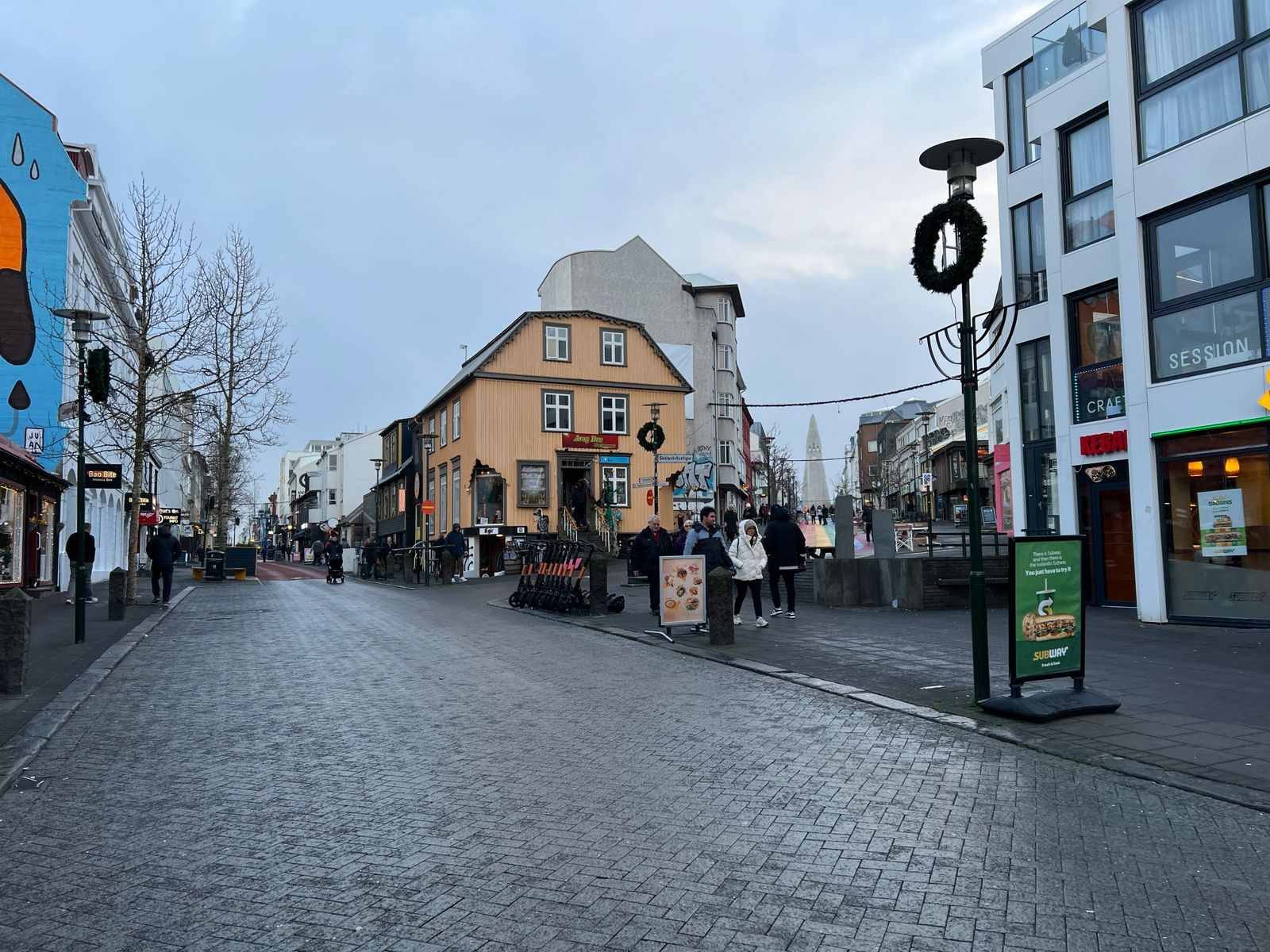
Iceland has one of the most honest wage structures in Europe. Service workers earn a living wage, and tipping was historically uncommon - locals simply did not do it. But tourism has changed the picture considerably. Reykjavik now sees millions of visitors a year, and the tipping norms have quietly shifted in tourist-facing industries.
Here is what you actually need to know: when to tip, how much, and what the locals really think about it.
The Short Answer
Tipping is not mandatory in Iceland. You will never be chased for a tip, and no social awkwardness follows if you leave nothing. That said, service workers in tourism-heavy roles do notice and appreciate tips - particularly in restaurants, on guided tours, and from hotel housekeeping. A modest 10% tip at a sit-down meal is now well within normal behavior.
Restaurants and Cafes
This is where tipping expectations have shifted most noticeably. At sit-down restaurants in Reykjavik and tourist towns like Vik, Akureyri, and the Blue Lagoon area, a tip of around 10% is appreciated for good service.
Suggested amounts:
- Casual cafe or quick-service: no tip needed
- Sit-down restaurant, standard service: 500-1,000 ISK (approximately $3.50-7 USD)
- Sit-down restaurant, exceptional service: 1,000-2,000 ISK (approximately $7-15 USD)
- A group meal where the service was attentive: 10% of the bill, split however you like
No service charge is added automatically to Icelandic restaurant bills. The price on the menu is the price you pay. Tipping is entirely your call.
For coffee or a quick snack at a bakery, there is no expectation. Rounding up to a round figure is a friendly gesture but not expected.
Guided Tours and Day Trips
Tour guides work hard in Iceland - often in harsh conditions, carrying gear, managing safety, and delivering detailed commentary across long days. Tipping your guide is probably the one context where it feels most natural and makes the clearest difference.
Suggested amounts per person:
- Half-day tour (3-4 hours): 1,000-1,500 ISK (approximately $7-11 USD)
- Full-day tour (8+ hours): 1,500-3,000 ISK (approximately $11-22 USD)
- Multi-day private guide: 2,000-3,000 ISK per day (approximately $15-22 USD per day)
For group tours, guides typically pool tips at the end. Handing cash to your guide directly at the end of the tour is the standard approach. Some digital booking platforms allow tips on checkout but cash remains the clearest signal.
If your guide goes above and beyond - carries your bags up a glacier, waits while someone in the group falls behind, explains something in genuinely memorable detail - a tip toward the higher end of that range is a direct and simple way to say so.
Taxis and Ride Shares
Rounding up the fare is perfectly acceptable for Icelandic taxis. You are not expected to tip 10%, and most locals simply pay the metered fare without anything extra.
Suggested approach:
- Short city ride: round up to the nearest 200-500 ISK
- Airport transfer or long ride: round up or add 500-1,000 ISK (approximately $3.50-7 USD)
- Exceptional service (helped with heavy bags, navigated complex directions): 500-1,000 ISK
Most taxis operate via card terminals, and you can add a tip on the screen when paying. There is usually a tip prompt on the card reader - it is fine to skip it.
For more on airport options, see our Iceland airport transfers guide.
Hotels and Guesthouses
Hotel staff in Iceland do not expect tips as a default. However, housekeeping is one area where a small amount is noticed and appreciated, especially after multiple nights.
Suggested amounts:
- Housekeeping per night (for good service): 500-1,000 ISK (approximately $3.50-7 USD)
- Porter who carries bags and gives useful local tips: 500-1,000 ISK
- Concierge who goes out of their way (hard-to-get reservation, specific local guidance): 1,000-2,000 ISK (approximately $7-15 USD)
Leave housekeeping tips in an envelope or clearly placed on the pillow with a note - this prevents any confusion about whether it is yours or the hotel’s property.
Bars and Nightlife
In bars and pubs, tipping is not standard practice in Iceland. Locals pay for their round and move on. If a bartender goes out of their way - finds you a specific spirit, helps you navigate a menu, keeps up good conversation on a slow night - leaving a couple of hundred ISK is a friendly gesture, but nothing close to the 15-20% convention common in the US.
Salons, Spas, and Beauty Services
Tipping is not culturally expected at Icelandic salons and spas, including the geothermal pools and spa facilities. Service workers in these settings are paid well. If you had a particularly good massage or treatment and want to show appreciation, 500-1,000 ISK (approximately $3.50-7 USD) is a meaningful amount.
Digital vs Cash Tipping
Iceland is one of the most cashless countries in the world. Almost every transaction - from a hot dog at Baejarins Beztu Pylsur to a glacier hike - goes through a card terminal. Most terminals now include a tip prompt on the screen.
For restaurants and taxi rides, the card terminal tip option is perfectly normal to use. For guides, cash is simpler and more direct. Keep a few small ISK notes on hand for the purpose.
See our Iceland currency guide for exchange rates and the best ways to get krona before or after arrival.
Common Mistakes Tourists Make
Over-tipping at every stop: Iceland is not the US. Adding 20% everywhere signals unfamiliarity more than generosity, and can create awkward social dynamics.
Expecting a service charge: There is no automatic gratuity added to bills. Check your receipt - if you assume it is included and leave nothing, you have not tipped.
Tipping in foreign currency: USD and euros are not accepted as tips. If you have leftover krona, that is the practical choice for cash tips.
Forgetting tour guides entirely: This is the one context where tipping is most clearly appreciated and where it makes a real difference to someone’s day.
Feeling obligated at quick-service counters: Counter service, fast food, and cafes have no tip expectation. Save the tip for sit-down service and guided experiences.
What Icelanders Think
Attitudes vary. Older Icelanders and those outside the tourism industry tend to see tipping as an imported American habit that sits oddly with Icelandic wage culture. Younger workers in Reykjavik, especially those in tourist-facing jobs, appreciate tips because they are often students or working seasonal roles where the extra income matters.
The honest takeaway: tip when service was genuinely good, use common sense about the context, and do not stress about the rest. For a broader look at local customs and social norms, see our Iceland etiquette guide.