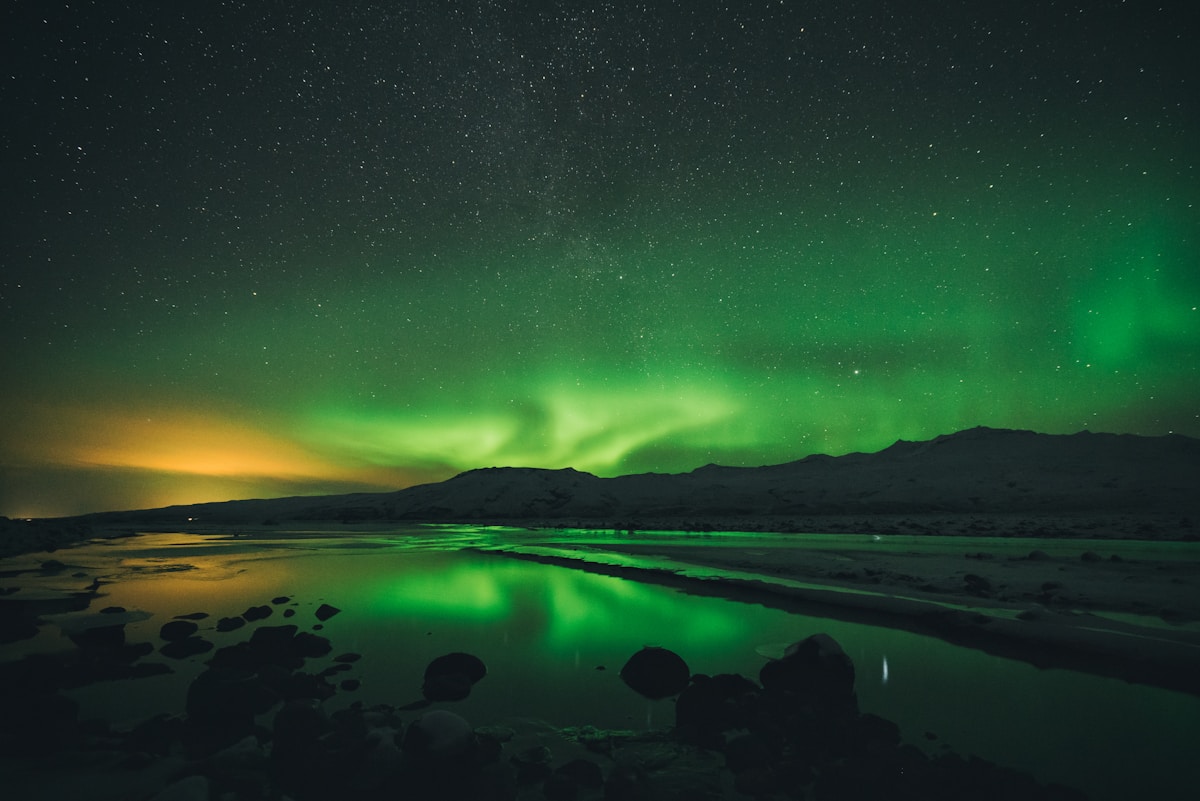
Lake Mývatn: Iceland's Geothermal Wonderland
Guide to Lake Mývatn - pseudo craters, Dimmuborgir lava formations, Mývatn Nature Baths, Krafla volcano, and where to stay.
Guides for Lake Mývatn
Lake Mývatn is one of Iceland’s most concentrated collections of geological variety - within a 10km radius you’ll find pseudo craters, a 2,300-year-old lava field, active geothermal mud pots, a dormant shield volcano, and a caldera lake. It sits in North Iceland, 1 hour from Akureyri, and warrants at least a full day. Most Ring Road drivers underestimate it and rush through in half a day - they miss the best of it.
Getting There
By car: 100km east of Akureyri on Route 1, then Route 848 around the lake. Allow 1 hour from Akureyri. From Reykjavík the drive is approximately 5.5 hours.
By bus: Strætó bus route 56 connects Akureyri to Mývatn. Journey time approximately 1.5 hours. Service is limited - check straeto.is for current timetables. Most visitors drive.
Mývatn Nature Baths
The closest comparison to the Blue Lagoon - but quieter, cheaper, and with a better volcanic backdrop. The milky-blue geothermal pool is fed by a natural hot spring at around 36–40°C. The complex opened in 2004 and has gradually been expanded; it now includes a steam bath and a restaurant.
Entry approximately ISK 6,500 adult, ISK 3,200 child (6–14) as of 2026. Open year-round. Book online at jardbodin.is - it sells out on peak summer weekends but is rarely a problem in shoulder season. Allow 2 hours.
Dimmuborgir
A 2,300-year-old lava field where molten rock flowed over a shallow lake, trapping steam that carved bizarre towers, arches, and cave passages as the lava cooled. In Icelandic tradition, Dimmuborgir (‘dark castles’) is the home of trolls and the Yule Lads. The Church (Kirkjan) - a dramatic natural lava arch - is the centrepiece.
Marked walking trails of various lengths (1–3km). Entry free. Accessible year-round, though snow makes some trails slippery in winter. Allow 45–90 minutes depending on how far you walk.
Pseudo Craters at Skútustaðir
On the south shore of the lake, these small crater-like formations are not volcanic craters but steam explosion pits - formed when lava flowed over marshy ground and trapped steam exploded upward. The result is a lunar landscape of dozens of small craters, now grass-covered. A short boardwalk trail (approximately 2km, 30 minutes) circles the main cluster. Free entry. Year-round access.
Námaskarð Geothermal Area
Also called Hverir - a pale yellow and orange sulphurous landscape of boiling mud pots, steaming fumaroles, and hissing vents on the flank of the Námafjall ridge. One of the most accessible geothermal areas in Iceland. Entry free. Stay on the marked paths - the ground is thin in places and scalding water is just below the surface. Allow 30–45 minutes. Located directly on Route 1, 5km east of the Mývatn junction.
Krafla Volcano and Viti Crater
15km north of the Mývatn area. Krafla is Iceland’s most active volcanic system - the Krafla fires (1975–1984) saw 9 eruptions over nearly a decade. Today the caldera contains Víti crater, a turquoise explosion crater lake. A gravel road (open June–September) leads to a car park from which a short walk reaches the crater rim. Free entry.
The Krafla geothermal power station is adjacent - Iceland extracts steam from the same volcanic system that was erupting 40 years ago, which is exactly as remarkable as it sounds.
Grjótagjá Cave
A small lava cave with a geothermal pool inside. The water was historically used for bathing, but temperatures rose significantly during the Krafla fires and only returned to swimmable levels relatively recently. Check current conditions locally - bathing is sometimes permitted and sometimes not, depending on temperature. Easily visited on the way to Krafla. Free entry.
What to See and Do
- Bird watching: Mývatn is one of the best duck-watching locations in Europe. Around 15 species breed here including the rare Barrow’s goldeneye (found in Iceland and almost nowhere else in Europe). The RSPB and serious birders visit specifically for the waterfowl.
- Lofthellir Lava Cave: A lava tunnel with ice formations inside - one of Iceland’s best lava caves. Access by guided tour only. Tours approximately ISK 8,900–11,000 adult, depart from Reykjahlíð.
- Hverfell (Hverfjall) Tephra Crater: A near-perfect ring crater, 1km in diameter, formed approximately 2,500 years ago. A 45-minute walk up the ridge, then a circuit of the rim. Dramatic views over the lake and lava fields. Free entry.
Where to Stay
Search hotels in Mývatn on Booking.com
For hotels, guesthouses, and campsites around Lake Mývatn, see our Where to Stay near Mývatn guide. Accommodation is genuinely limited - booking early, especially for July and August, is essential.
Where to Eat
Gamli Bærinn (at Sel-Hótel Mývatn) - The most reliable restaurant in the area. Lamb, fish, and local trout. Mains approximately ISK 3,200–5,500.
Vogafjós Farm Café - A working dairy farm where you can watch cows being milked while eating. Famous for geysir bread (rúgbrauð baked in the ground using geothermal heat) and freshly smoked trout. Mains approximately ISK 2,800–4,500.
Mývatn Nature Baths Restaurant - Solid food, good soup, and the convenience of eating at the baths. Mains approximately ISK 2,500–4,000.
Practical Notes
- Midges (June–August): non-biting but dense. A head net (approximately ISK 1,500 at local shops) makes the difference between a pleasant experience and a miserable one.
- Petrol: Fill up in Reykjahlíð or before arriving - no guarantee of fuel availability at the smaller sites.
- The lake circuit (Route 848) is approximately 36km - allow a full day to stop at everything properly.
Browse Lake Mývatn tours - guided tours covering the geothermal area, Dimmuborgir, and Grjótagjá cave.
Pre-book Keflavík airport transfers - Flybus and private options for the 45-minute route to Reykjavík.
Compare car hire in Iceland - a 4WD or campervan gives the flexibility to explore at your own pace.
Explore Mývatn Further
- Things to Do at Lake Mývatn - Full activity guide covering all the lake’s geological highlights
- Where to Stay near Mývatn - Hotels, guesthouses, and campsites around the lake
- Restaurants near Lake Mývatn - Best places to eat in the Mývatn area
- Day Trips from Mývatn - Dettifoss, Ásbyrgi, and the wider Diamond Circle
- Mývatn vs Reykjanes - Comparing Iceland’s two main geothermal regions: the north vs the southwest
Book an experience
Top experiences in Lake Mývatn
Explore the best tours and activities in Lake Mývatn , with instant confirmation and free cancellation on most bookings.