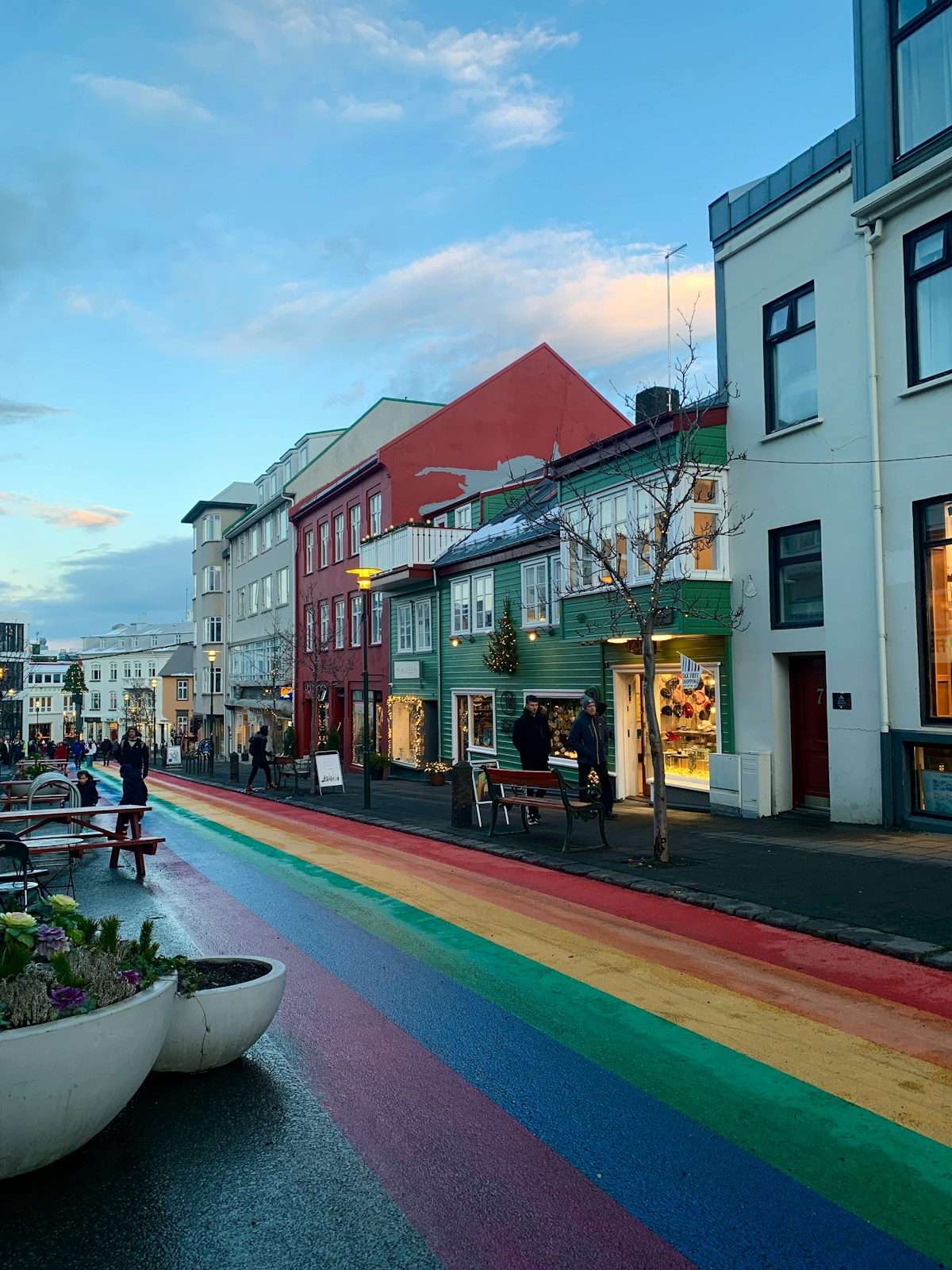
Reykjavík punches well above its weight for nightlife. For a city of around 130,000 people, it has a disproportionate concentration of good bars, a serious craft beer scene, and a weekend energy that regularly surprises first-time visitors. The secret is the runtur - Iceland’s traditional pub crawl culture - which means almost everyone ends up on the same few streets, creating a convivial atmosphere that larger cities rarely match.
The downsides are real: drinks are expensive, and the scene runs on Icelandic time, meaning nothing happens before midnight. Know both, plan around them, and a Reykjavík night out is genuinely memorable.
The Runtur: How Icelanders Go Out
The runtur (literally “round tour”) is the traditional Icelandic way of spending a Friday or Saturday night: start at home or a friend’s place with a fördrykk (pre-drinks), then move systematically through a series of bars as the evening progresses, usually ending at a club or the city’s last-standing late-night venues in the early hours.
This pattern evolved partly as a response to Iceland’s historically restrictive licensing laws (beer was completely illegal until 1989) and the high cost of bar drinks. It means Reykjavík’s bars don’t fill up until well after midnight - visiting on a Friday evening at 9pm and finding bars half-empty is normal, not a sign of a dead scene.
The runtur concentrates on two parallel streets: Laugavegur (the main commercial street) and Austurstræti (closer to the harbour), plus Hverfisgata running between them. Almost every significant bar in the city falls within a five-minute walk of this triangle.
Best Bars by Neighbourhood
Laugavegur
Laugavegur is the spine of Reykjavík’s nightlife. The street runs from the old harbour area up toward Hallgrímskirkja church, and the stretch between Klapparstígur and Skólavörðustígur holds the highest concentration of bars in the city.
Kex Hostel Bar - one of the most atmospheric spots in the city, occupying a former biscuit factory. The main bar area has a worn, industrial feel, with mismatched furniture, a good tap selection, and a crowd that mixes travellers with locals. Known for occasional live music sessions. Draft beer from approximately ISK 1,600 as of 2026.
Bravó - a neighbourhood bar without pretension. On Laugavegur itself, compact and often full. Good for an early drink before the night starts properly. Known for its happy hour (usually 4–7pm) and a craft tap selection that rotates.
Dillon - the city’s closest approximation to a classic rock bar: dark interior, loud music, a pool table, and a crowd that tends toward leather jackets. Stays open late. Not for everyone, but a reliable spot if you want something louder and less polished.
Hverfisgata
Hverfisgata runs parallel to Laugavegur and has developed into a stronger nightlife street over the last decade, with several of the city’s better cocktail bars.
Jungle Bar - tropical-themed interior on an otherwise grey Icelandic street. Strong cocktail list, good sound, and genuinely good bartenders. Popular with a younger local crowd. Expect to queue on weekend nights after midnight.
Stofan Café - a daytime café that transitions into a quiet bar in the evenings. Good for an early drink in a calm, lounge-style space. Not a late-night destination but excellent for the first stop of an evening.
Port 9 - a smaller bar with a focus on natural wines and spirits as well as beer. Less in-your-face than some of the Laugavegur options, and a better choice if you want an actual conversation. A regular on local best-bar lists.
Grandi (Harbour District)
The Grandi area, west of the old harbour, has developed its own cluster of bars and restaurants over the last five years. It’s a 15-minute walk from the Laugavegur strip - quieter, and more local in feel.
Bryggjan Brugghús - a large microbrewery in the harbour area, occupying a converted fish processing building. Brews its own range of beers on-site, from a clean pale ale to a heavier stout. The atmosphere is relaxed and the food (mostly sandwiches and light bites) is solid. A good early-evening destination before heading to the main strip. Pints from approximately ISK 1,700 as of 2026.
Mikkeller & Friends Reykjavík - the Reykjavík outpost of the Danish craft beer brand. Twenty taps running at any given time, with a rotating international selection alongside Icelandic guests. A beer geek’s first stop. Prices reflect the quality - expect ISK 2,000–2,500 per pint, but the range is exceptional.
Craft Beer Scene
Iceland’s craft beer industry has grown significantly since the late 2010s. A handful of Reykjavík-based breweries now produce consistently good beer that rivals Scandinavian counterparts.
Borg Brugghús is the largest and most distributed Icelandic craft brewery. Their flagship Snorri lager is ubiquitous; the Garún stout is one of the best dark beers produced in the country. Available on tap across most bars in the city.
Einstök (based in Akureyri, north Iceland) focuses on high-ABV, flavour-forward styles - their Arctic Pale Ale and Wee Heavy Scotch Ale both hold up against imports. Widely available in Reykjavík despite being brewed in the north.
Ölverk Pizza & Brewery (based in Hveragerði, an hour from Reykjavík) makes the drive occasionally worthwhile - their seasonal releases are more experimental than the bigger Reykjavík breweries, and the taproom is unpretentious.
Skúli Craft Bar on Aðalstræti, near the old harbour, is widely considered the best dedicated craft beer bar in the city. Thirty-plus taps, knowledgeable staff, and a focus on both Icelandic and international craft. Smaller than Mikkeller but arguably better curated. Can get crowded on weekends.
Bastard Brew & Food on Austurstræti combines a solid burger menu with a serious tap list. A hybrid bar-restaurant model that works - you can eat well here and stay for several rounds afterward. The craft beer selection leans Scandinavian and Icelandic.
Cocktail Bars
Slippbarinn - one of the better cocktail bars in the city, located in the Icelandair Marina Hotel near the harbour. Inventive seasonal cocktail menu with a focus on local botanicals. Expensive even by Reykjavík standards (cocktails from approximately ISK 2,500 as of 2026), but consistently good.
Petersen Svítan - rooftop bar at the top of the BSÍ bus terminal building, which sounds underwhelming but the view over the city is exceptional, particularly in the long summer evenings when the sun barely sets. Limited seating means queues after 10pm on weekends.
Bar 11 - a mid-century-inspired cocktail lounge on Hverfisgata. More muted than some of the louder options; good for a properly made Negroni or Old Fashioned without the nightclub decibel level.
Live Music
Reykjavík has a music scene that outpunches its population through sheer density of local bands. The city produced international acts including Sigur Rós, Of Monsters and Men, and Björk - and the local scene still runs deep.
Harpa Concert Hall - the city’s main venue for large performances. Iceland Symphony Orchestra plays regular concerts; visiting international acts use the larger halls. Worth checking the schedule at harpa.is for anything from jazz to classical to ambient.
Húrra - the most consistent mid-size live music venue in the city. On Tryggvagata near the harbour. Hosts local bands several nights a week and larger touring acts when they pass through. The bar area at the back has a good tap selection. Cover charges vary.
Mengi - a smaller, more experimental venue on Óðinsgata, programming avant-garde music, performance art, and experimental artists. Not a conventional night out but worth checking the schedule - this is where Reykjavík’s more adventurous musical community gathers.
Gaukurinn - LGBTQ+-friendly bar and live music venue on Tryggvagata. A genuine mainstay of the local scene for years, hosting live music, drag nights, and themed events. Welcoming to all, with a deliberately inclusive atmosphere.
Club Scene
Reykjavík’s clubs are small by most capitals’ standards - most hold a few hundred people at maximum. But on peak weekend nights, the energy is real.
Paloma - Reykjavík’s longest-running club, on Naustin near the old harbour. Mostly electronic and dance music. Opens late (midnight or later) and runs until 4–5am on weekends. Cover charge varies.
Pablo Discobar - a smaller club on Veltusund, compact and sweaty. Focuses on Latin rhythms and dance music; friendly crowd. One of the most reliably fun spots in the city late at night.
Kaffibarinn - not a club exactly, but a bar that turns into something close on weekends. The famous red London Underground symbol above the door. Famously appeared in the film 101 Reykjavík. Stays open until 4am on Fridays and Saturdays.
Practical: Costs and Tips
Expect to pay ISK 1,500–2,500 (approximately €10–17) per beer in most bars as of 2026. Happy hours, usually 4–7pm, reduce this to ISK 900–1,200. Pre-drinking is common and sensible - the government-run Vínbúðin liquor stores stock good Icelandic craft beer at supermarket prices.
Go late. Showing up before 11pm means quiet bars. The scene genuinely doesn’t start until midnight. If you’re jet-lagged or an early riser, adjust expectations.
The city is walkable. Almost every venue mentioned above is within a 10-minute walk of Laugavegur. Taxis exist but you won’t need them for most of the night - save them for the journey home at 3am.
No need to queue-plan. Unlike London or Berlin, Reykjavík’s venues don’t have velvet ropes or face control (with the exception of a couple of clubs on peak nights). Walk in, find a space at the bar.
Respect the pace. Icelanders are friendly but not aggressively social with strangers at the bar. Starting a conversation at a craft beer bar is perfectly normal; trying to join a table of locals uninvited is less so. The runtur is a social ritual for people who know each other - follow rather than try to attach yourself to one.
Browse Reykjavík tours - city walking tours, food experiences, and day trips from the capital.
Pick up an Iceland eSIM before you travel - works on arrival and covers most of the Ring Road.
See Also
- Reykjavík city guide - Complete guide to the capital: accommodation, attractions, and getting around
- Where to Eat in Reykjavík - Restaurant guide by neighbourhood for daytime and dinner
- Street food and cheap eats in Reykjavík - Budget eating before heading out for the night
- Things to Do in Reykjavík - Daytime activities to fill the hours before the nightlife starts
- 3 days in Reykjavík itinerary - How to plan a long weekend including the best of the city’s food and nightlife
For accommodation nearby, Search hotels in Reykjavík on Booking.com.