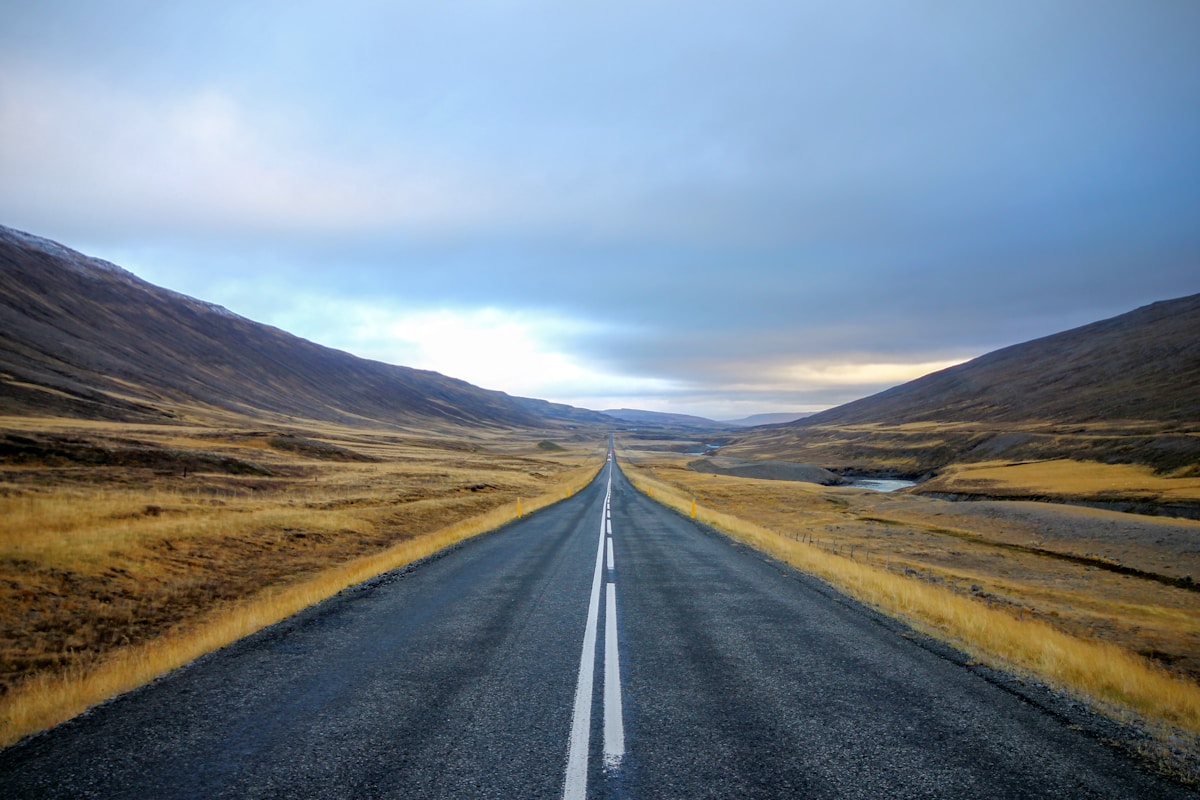
Three days in Reykjavík is enough time to understand why Iceland has become one of the world’s most talked-about short-break destinations. The city is compact and walkable, the landscape day trips are among the best in Europe, and the Blue Lagoon - whatever you think of its current crowd levels - remains a genuinely extraordinary experience.
This itinerary is structured for maximum return on three days: a full day in the city, the Golden Circle on day two, and the Blue Lagoon before your departure on day three. It works for arrivals on an overnight transatlantic flight or a morning European flight, and it’s adaptable for those with or without a rental car.
Day 1: Old Town Reykjavík
Morning: Hallgrímskirkja and the Hilltop Neighbourhoods
Start at Hallgrímskirkja, the concrete church that dominates Reykjavík’s skyline. Designed by state architect Guðjón Samúelsson in 1937 (construction ran from 1945 to 1986), it reaches 74.5m. Entry to the church is free. The tower lift costs approximately ISK 1,000 as of 2026 and gives the best panorama of the city and surrounding sea - worth doing on your first morning to orient yourself. Tower hours are typically 09:00–21:00 in summer, 09:00–17:00 in winter.
From Hallgrímskirkja, walk downhill through the 101 neighbourhood toward the harbour. The streets between the church and the sea contain most of Reykjavík’s oldest architecture - small timber and corrugated iron houses painted in bright colours, dating from the late 19th and early 20th centuries.
Midday: Harpa and the Old Harbour
Harpa Concert Hall, on the harbour front, was completed in 2011 and designed by Henning Larsen with artist Olafur Eliasson. The building’s glass facade refracts light differently throughout the day - it’s worth a look inside even if you have no concert tickets. Entry to the public areas is free. The harbour itself is active year-round, with fishing boats alongside whale watching vessels.
Lunch options on the harbour include Sægreifinn (The Sea Baron) - a small, decidedly unpretentious place famous for its lobster soup (approximately ISK 1,500 a bowl) and skewers of grilled langoustine. Queues form in summer. Alternatively, the covered market at Hlemmur Mathöll (10 minutes’ walk from the harbour) brings together several food stalls in a relaxed hall format; dishes from approximately ISK 1,500–2,500.
Afternoon: Laugavegur and the Reykjavík Art Museum
Laugavegur is the main commercial street - mostly independent shops, outdoor gear retailers, and Icelandic design stores. It’s the place to buy Icelandic wool (lopapeysa sweaters), skincare products (particularly those based on Icelandic moss and geothermal minerals), and to get a sense of how the city functions day-to-day.
The Reykjavík Art Museum operates across three sites; the Hafnarhús building near the harbour is the most central and covers contemporary Icelandic and international art. Entry approximately ISK 2,200 as of 2026, or free with the Reykjavík City Card. Allow 1.5 hours.
Evening: Grillmarkaðurinn
For dinner on your first night, Grillmarkaðurinn on Lækjargata is one of Reykjavík’s best restaurants for Icelandic produce - lamb, Arctic char, langoustine, and beef, cooked over lava rock grill. Budget approximately ISK 6,000–9,000 per person including wine or beer as of 2026. Book ahead; the restaurant fills on summer evenings. For a more casual alternative, Snaps bistro on Þórsgata serves French-influenced Icelandic dishes from approximately ISK 3,500 a main.
Day 2: The Golden Circle
The Golden Circle is a 300km loop from Reykjavík that takes in three major sites in a single day. It’s the most popular day trip in Iceland and can feel crowded in July and August at the main sites, but the sites themselves justify the crowds.
Option A - Rental car: Hire a car for the day (approximately ISK 10,000–15,000 including insurance for a small 2WD), pick up from central Reykjavík or the airport, and drive at your own pace. You can add detours (Kerið crater, Secret Lagoon at Flúðir) that tours don’t cover.
Option B - Organised tour: Numerous operators run daily Golden Circle tours from Reykjavík, typically 8–9 hours, departing from BSÍ bus terminal. Prices are approximately ISK 9,500–12,000 per person including transport and a guide. Convenient if you don’t want to drive, though you’re on a fixed schedule.
The Three Sites
Þingvellir National Park (50km from Reykjavík): A UNESCO World Heritage Site where the North American and Eurasian tectonic plates meet visibly - you can walk in the rift valley between the two plates. The Alþingi, Iceland’s national parliament, met here from 930 AD. Entry to the national park is free; parking approximately ISK 750. Allow 1.5–2 hours. The Öxará river waterfall is here - modest but well-situated.
Geysir geothermal area (90km from Reykjavík): The original geyser that gave English the word. The Great Geysir itself is largely dormant now, but Strokkur erupts every 5–8 minutes, shooting boiling water 15–40m into the air. Free to view. The site has a visitor centre and café. Allow 45 minutes.
Gullfoss waterfall (105km from Reykjavík): A two-tiered waterfall on the Hvítá river that drops into a gorge. Free. One of the most visited sites in Iceland and genuinely impressive. Paths give viewpoints at multiple levels. Allow 45 minutes.
Optional additions: Kerið volcanic crater (approximately ISK 700 entry) adds 30 minutes. The Secret Lagoon at Flúðir (approximately ISK 3,500) is a natural geothermal pool that’s smaller and less commercial than the Blue Lagoon - a good option if you’re not doing the Blue Lagoon on Day 3.
Dinner back in Reykjavík: allow 1.5–2 hours for the drive back, arriving in town around 19:00–20:00. Fiskmarkaðurinn (The Fish Market) on Aðalstræti has an excellent sushi and Asian-Icelandic fusion menu with mains from approximately ISK 4,500–7,000.
Day 3: Blue Lagoon and Departure
If your flight departs from Keflavík in the evening, the Blue Lagoon slots neatly between your hotel checkout and the airport - it’s 22km from the Blue Lagoon to Keflavík Airport.
Blue Lagoon (bluelagoon.com): Entry prices as of 2026 are approximately ISK 9,990 for the Comfort package (entry, silica mud mask, drink) or ISK 14,990 for the Premium package (additional face mask, algae mask, and in-water bar). Pre-booking a specific arrival timeslot is mandatory - walk-up entry is not available.
The Blue Lagoon is geothermal wastewater from the nearby Svartsengi power plant, rich in silica and minerals, at approximately 37–39°C. The facilities are polished and well-run. It’s busy in season but large enough that it rarely feels genuinely crowded. Allow 2–3 hours.
Transport: The Blue Lagoon bus runs from BSÍ bus terminal in Reykjavík and costs approximately ISK 3,900 return. Taxis from Reykjavík cost approximately ISK 12,000–15,000 each way. For a more comfortable option on departure day, pre-book a private airport transfer - the driver collects you from your hotel and can drop you at the Blue Lagoon before continuing to Keflavík. If you have a rental car, drive west on Route 41 toward Keflavík and follow the signs.
Budget Guide (Per Person Per Day)
| Category | Budget | Mid-Range | Splurge |
|---|---|---|---|
| Accommodation | ISK 8,000–12,000 | ISK 25,000–40,000 | ISK 60,000–100,000+ |
| Food | ISK 4,000–7,000 | ISK 9,000–15,000 | ISK 20,000–35,000 |
| Activities | ISK 2,000–5,000 | ISK 8,000–15,000 | ISK 20,000–30,000 |
| Transport | ISK 2,000–4,000 | ISK 5,000–10,000 | ISK 10,000–20,000 |
| Daily total | ISK 16,000–28,000 | ISK 47,000–80,000 | ISK 110,000–185,000 |
Prices as of 2026. Iceland is genuinely expensive - cooking your own meals, using organised tours rather than car hire, and booking accommodation early all help manage costs. If you haven’t locked in activities yet, our last-minute tours page shows what’s still available in the coming days.
Practical Notes
Currency: Icelandic Króna (ISK). Cards accepted almost everywhere; carrying cash is unnecessary for most activities. ATMs at Keflavík Airport and throughout Reykjavík’s centre.
Tipping: Not customary in Iceland. Service charges are included in restaurant prices.
Weather: Reykjavík weather is changeable regardless of season. Pack a waterproof outer layer. The city is walkable in most conditions - wind is more of a factor than rain.
Midnight Sun: From mid-May through late July, the sun doesn’t fully set. If you’re visiting in June, pack an eye mask for sleeping.
Extend Your Trip
- 5 days - Reykjavík and South Coast - What to add if you have two more days after this Reykjavík itinerary
- 7 days in Iceland - The full week itinerary covering Golden Circle, South Coast, and Jökulsárlón
- 10 days in Iceland - Full Ring Road itinerary for those with more time
- Reykjavík city guide - Everything to do in the capital, from Hallgrímskirkja to the Old Harbour
- Day trips from Reykjavík - All the day excursions from the capital: Golden Circle, South Coast, and Blue Lagoon
- Golden Circle tours - The essential Day 2 excursion: guided bus or self-drive options
- Northern lights tours from Reykjavík - Aurora hunting from the capital (September–March)
- Blue Lagoon Iceland - Full booking guide for the geothermal spa on Day 3
- Reykjavík restaurants - Best places to eat across all price ranges during your stay
Book Your Trip
Flights — search and compare on Aviasales · flights guide eSIM — stay connected with Airalo · eSIM guide Travel insurance — get covered with EKTA · insurance guide Airport transfers — book with Kiwitaxi · airport guide Car rental — compare with GetRentaCar · car hire guide Tours and activities — browse GetYourGuide