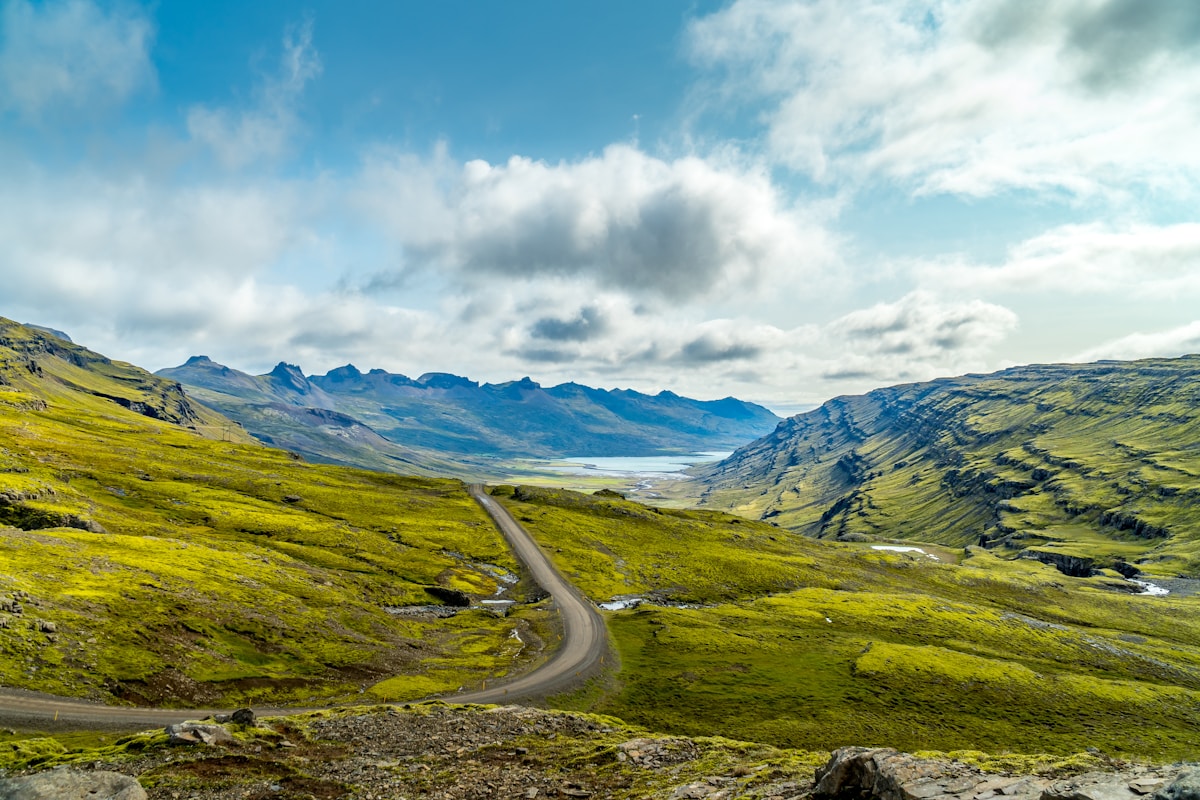
Iceland in summer (June–August) is the classic experience: the midnight sun, puffins on the cliffs, all roads open, and the possibility of hiking into the Highlands. The trade-off is higher prices, more visitors, and the absence of Northern Lights. This itinerary makes the most of summer’s long days and open conditions.
Summer Advantages
- All roads open: Landmannalaugar, Þórsmörk, and highland routes accessible
- Puffins: May through early August at Dyrhólaey, Látrabjarg, Borgarfjörður Eystri
- Hiking: Laugavegur trail, Fimmvörðuháls, and glacier walks in optimal conditions
- Midnight sun: 20+ hours of daylight in June - photograph at midnight
- Warmer temperatures: Average 10–13°C in Reykjavík in July
Suggested 8-Day Summer Itinerary
Day 1: Arrive - Reykjavík
Arrive Keflavík. If it’s late evening, drive to Reykjavík - you’ll have full daylight until nearly midnight. Walk Laugavegur in the golden midnight light. Sleep with an eye mask.
Day 2: Reykjavík City
Full city day. Perlan, National Museum, Old Harbour, whale watching (ISK 12,900–15,900, 3 hours). Summer tip: Book an evening whale watching tour - whales feed actively in the long evening and the light on the water is superb.
Day 3: Golden Circle + Silfra Snorkelling
Early start to beat tour buses at Þingvellir. Silfra snorkelling (pre-booked, ISK 19,900) in the morning - the water is 2–4°C year-round, but summer air temperature makes getting out of the suit more pleasant. Geysir and Gullfoss in the afternoon.
Day 4: South Coast - Vík
Seljalandsfoss, Skógafoss, Sólheimasandur. Puffins at Reynisfjall: The staircase at Skógafoss also gives access to the coastal clifftop trail - walk east for 20 minutes to reach areas above puffin nesting sites. Reynisfjara beach and Dyrhólaey arch (puffin cliffs, best June–early August).
Overnight Vík.
Day 5: Glacier and Jökulsárlón
Sólheimajökull glacier walk (ISK 9,900–12,500, morning departure). Drive east: Skaftafell, Svartifoss waterfall. Jökulsárlón: zodiac boat tour among the icebergs (ISK 9,900). Diamond Beach. Overnight Höfn.
Day 6: Landmannalaugar (Highland Day)
Vehicle requirement: Landmannalaugar requires a 4WD vehicle - the Route F208 access road crosses a river ford. Do not attempt this in a standard 2WD car. If your rental is 2WD, take the Highland Bus instead: Trex and Reykjavík Excursions run summer services from Reykjavík and Selfoss (ISK 8,900–10,500 one way; check re.is for the current timetable).
Drive west on Route 1 from Höfn or Vík to the F208 junction (approximately 60km east of Hella). 4WD drivers allow 1.5–2 hours from Hella including the approach road.
At Landmannalaugar: The natural geothermal hot spring pool is free and extraordinary - warm water surrounded by rhyolite mountains. Arrive before 10am; it gets crowded from midday. Brennisteinsalda loop hike (approximately 10km, 3–4 hours, 400m elevation gain): crosses obsidian lava flows and the multicoloured rhyolite landscape that makes Landmannalaugar distinctive. Start early to beat tour groups on the trail.
Services: Ferðafélag Íslands operates the mountain hut with basic meals - soup, coffee, and simple snacks. No shop. Bring a packed lunch and plenty of water.
Overnight Selfoss or Hella. Stracta Hotel Hella from approximately ISK 30,000; smaller guesthouses in Selfoss from approximately ISK 22,000.
Day 7: Reykjavík and Sky Lagoon
Return to Reykjavík. Sky Lagoon (ISK 9,990, 10 minutes from city centre). Book for late afternoon - the sun is still high at 6pm in summer and the ocean-view infinity pool is exceptional.
Midnight photography: Set an alarm for midnight. Go to Hallgrímskirkja or the Old Harbour. The low-angle golden light from a sun that doesn’t set produces extraordinary photography conditions.
Day 8: Depart
Morning: Brauð & Co bakery for breakfast. Return your hire car to Keflavík Airport.
Blue Lagoon: If pre-booked (ISK 9,990+), 47km from Reykjavík near the airport. Allow 3 hours.
Summer-Specific Tips
- Eye mask: Essential for sleeping. Iceland doesn’t get dark June–July. Hotel rooms usually have blackout curtains but bring one anyway.
- Puffin timing: Visit Látrabjarg or Borgarfjörður Eystri before July 25 for best puffin access - some sites close the upper viewpoints for nesting late July.
- Book everything: Accommodation, glacier tours, Blue Lagoon, Silfra, whale watching - all need advance booking for July.
- Golden Circle timing: Arrive at Þingvellir before 9am or after 5pm. Midday tour buses pack the car park.
- Laugavegur trail: If hiking the full trail, book huts immediately when booking opens (February for the following summer).
Budget for 8 Days in Iceland (Summer)
| Category | Budget | Mid-Range |
|---|---|---|
| Accommodation (7 nights) | ISK 52,000 (hostel dorm) | ISK 210,000 (hotel) |
| Car hire + fuel (7 days) | ISK 60,000 | ISK 95,000 |
| Activities (glacier, snorkelling, whale watch, sky lagoon) | ISK 30,000 | ISK 65,000 |
| Food (mix of restaurants + supermarket) | ISK 40,000 | ISK 90,000 |
| Total | ~ISK 182,000 | ~ISK 460,000 |
All prices approximate as of 2026. Exclude international flights. Summer prices run 15–20% higher than off-season. Book accommodation and tours 2–3 months ahead for July.
Accommodation Stops on This Itinerary
- Night 1 (arrival, Reykjavík): Kex Hostel from ISK 18,000 private; Hotel Borg from ISK 32,000
- Nights 2–3 (Reykjavík): Same base - allows early Golden Circle start and late return
- Night 4 (Vík): Icelandair Hotel Vík from ISK 35,000; Hótel Vík í Mýrdal from ISK 22,000
- Night 5 (Höfn or near Jökulsárlón): Fosshotel Glacier Lagoon from ISK 45,000; Hótel Höfn from ISK 28,000
- Night 6 (Selfoss or Hella): Stracta Hotel Hella from ISK 30,000; several smaller guesthouses from ISK 20,000
- Night 7 (Reykjavík): Return to the capital for final night before departure
Related Guides
- 7 days in Iceland - The essential one-week itinerary covering the summer highlights
- Puffin watching in Iceland - Where to see puffins and when the season ends
- Midnight sun Iceland - What to expect in June and July when the sun barely sets
- Laugavegur trail - The most famous multi-day trek: booking huts and what to pack
- Iceland in June - Weather, events, and what to prioritise in the peak summer month
Book Your Trip
Flights — search and compare on Aviasales · flights guide eSIM — stay connected with Airalo · eSIM guide Travel insurance — get covered with EKTA · insurance guide Airport transfers — book with Kiwitaxi · airport guide Car rental — compare with GetRentaCar · car hire guide Tours and activities — browse GetYourGuide