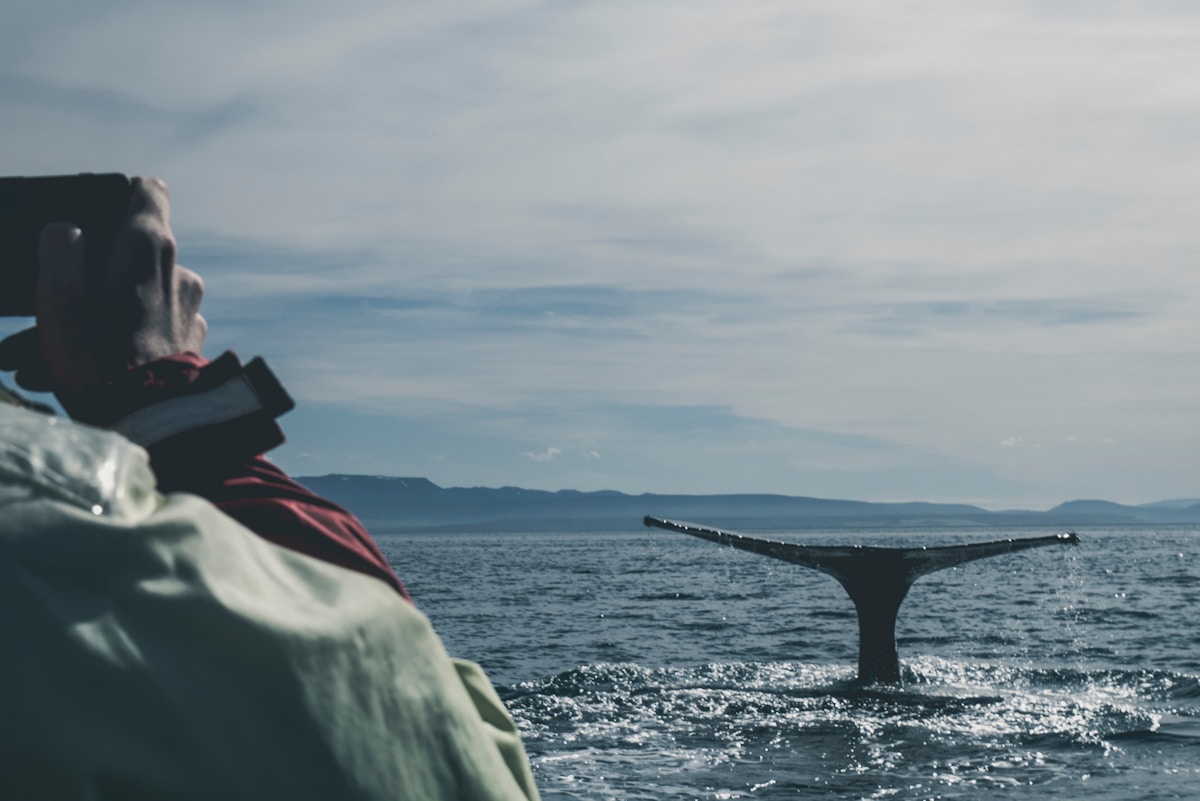
Húsavík sits on Skjálfandi Bay in north Iceland, population around 2,200, and its economy is built on two things: fishing and whale watching. That combination means the town has a better relationship with fresh seafood than you’d expect from somewhere this size - the same boats that spot humpback whales in the morning bring fish back to the quayside in the afternoon.
The restaurant scene is small but not disappointing. Five places stand out from the backdrop of petrol station snacks and hotel buffets. Here’s what’s worth knowing.
Why the Seafood Is Actually Good Here
The fishing boats working Skjálfandi Bay and the wider North Atlantic pull Arctic char, catfish (steinbítur), cod, and haddock from genuinely cold, clean water. Arctic char also runs in the Laxá river, which drains the volcanic interior east of town — the river fish have a distinct freshwater character compared to the saltwater catch. The critical fact is distance: the harbour is 30 seconds from most restaurant kitchens. There is almost no cold chain involved. A fish served at Salka at 19:00 was almost certainly in the water that morning. Outside of Reykjavík, that kind of turnaround is rare in Iceland, and it makes a real difference to what ends up on your plate.
Salka Restaurant
Salka is the main event in Húsavík dining. It sits on the harbour with a view across Skjálfandi Bay and serves a menu centred on local fish and traditional Icelandic ingredients. The fish soup - a cream-based broth with Arctic char, cod, or whatever the day’s catch dictates - is approximately ISK 2,200–2,800 and is one of the better versions you’ll find in north Iceland. Fish mains run approximately ISK 3,500–6,500 as of 2026; the pan-fried fish of the day is usually the right call.
The lamb is also good - Salka serves a slow-cooked lamb shank that benefits from the north Iceland pasture. Desserts lean on skyr in various forms. The dining room fills quickly in July; walk-ins at 19:30 may wait. Book via their website or call ahead. Dinner for two with a drink runs approximately ISK 9,000–16,000.
One item that occasionally appears on the Salka menu is minke whale (hrefna) - either as a steak or in the soup. Minke is legally hunted in Icelandic waters and appears in some north Iceland restaurants. It has a dense, dark flavour closer to beef than fish. This is a divisive order for international visitors; if you’d rather skip it, the fish soup using the catch of the day is the stronger dish regardless.
Gamli Baukur (Old Bucket)
Gamli Baukur is a harbourside pub-restaurant that occupies a converted boathouse. It serves a broader menu than Salka - burgers, pizza, fish and chips alongside the more Icelandic dishes - and is the right choice when you want a beer with your food or prefer a more relaxed setting. A half-litre of draught beer costs approximately ISK 1,200–1,500. Fish and chips run approximately ISK 2,800–3,800; burgers are in a similar range. The fish soup is also on the menu here and is reliably good.
Gamli Baukur tends to be livelier in the evenings - locals and tourists both use it as the informal social hub of Húsavík. It’s a good spot to hear about what whale watching tours went well that day.
Naustið (The Boathouse)
A smaller, more casual café and sandwich bar near the whale watching company offices. Naustið is better for lunch than dinner - it closes earlier than Salka and Gamli Baukur. The menu covers sandwiches, soup, waffles, and coffee. The homemade waffles with skyr and jam are a reliable order (approximately ISK 1,200–1,600). If you’re heading out on a whale watching tour and want something to eat beforehand, this is where to stop.
GeoSea Café
GeoSea is the geothermal sea baths 2 km north of Húsavík town, perched on a cliff above the ocean. The café attached to the facility serves coffee, light snacks, and soup while visitors soak in the infinity pools overlooking Skjálfandi Bay. It’s not a full restaurant, but the setting - geothermal water, whale-sighting distance offshore, northern light - makes a coffee here one of the most atmospheric breaks available in north Iceland. Entry to GeoSea costs approximately ISK 5,500 per adult as of 2026; the café is available to bathers.
Fosshotel Húsavík
Fosshotel Húsavík, on the main road into town, has an in-house restaurant and bar that is open to non-guests. The menu covers Icelandic standards — fish, lamb, soup — and the kitchen is reliable without being exceptional. The advantage is consistency: Fosshotel’s kitchen operates year-round on set hours with less seasonal variation than Salka or Gamli Baukur. If you’re arriving late in the shoulder season and want a guaranteed hot meal without calling ahead, this is the backup worth knowing. Mains run approximately ISK 3,500–6,500 as of 2026. The buffet breakfast (ISK 2,500–3,000 for non-guests) is also reasonable if you’re in town early.
The Supermarket Option
The Krónan supermarket in Húsavík is on the main street and functions as the town’s self-catering resource. The deli counter stocks smoked fish, cold cuts, and prepared salads; the bakery section has fresh bread and pastries. A self-assembled meal from Krónan costs approximately ISK 1,500–3,000 for two. If you have guesthouse kitchen access, this significantly reduces your food spend.
What to Drink
Brennivín: Iceland’s signature aquavit - caraway-flavoured spirit - is on the menu in most restaurants. Try it as a shot after the fish soup for the full Icelandic effect. A glass costs approximately ISK 1,200–1,600.
Local ale: Some Húsavík restaurants stock beers from north Iceland’s small craft producers. Askur Brugghús in Akureyri (1 hour south) produces a range that occasionally reaches Húsavík’s better restaurants.
Arctic char with white wine: The combination works well. Most restaurants have a short wine list; ask what pairs with the fish of the day.
Eating After a Whale Watching Tour
Whale watching tours from Húsavík typically depart at 09:00 and 13:00 and run 2–3.5 hours. The most popular post-tour lunch order is fish soup at Salka - the timing works, the harbour view extends the experience, and the soup is warming after time on the water. Gamli Baukur handles the same post-tour traffic for those who want something heartier or a beer to celebrate sightings.
The 09:00 departure returns around 11:30–12:00, which puts you squarely in the lunch window at both Salka and Gamli Baukur before either fills up. The 13:00 tour returns around 16:00, leaving time for a late lunch before the dinner rush begins around 18:30. If you’re on the 13:00 tour, eat lunch before departing at Naustið — the fish soup or a sandwich is quick and the office is steps from the harbour.
Planning Your Húsavík Day
If you’re arriving specifically to whale watch, a practical sequence is: book a morning tour in advance (North Sailing or Gentle Giants both operate from the same harbour), arrive hungry for soup at Naustið before departure, and book Salka for dinner to close the day. Alternatively, do the afternoon tour and head to Gamli Baukur after.
Most visitors spend one night in Húsavík. An evening meal at Salka followed by a morning tour with GeoSea baths in the afternoon covers the town’s three highlights without rushing. The GeoSea café means you have somewhere atmospheric for coffee and a light snack between the tour and dinner, rather than returning to the main street.
Húsavík is 90 km east of Akureyri - around 1 hour 15 minutes by road. If you’re day-tripping from Akureyri, the 09:00 tour departs at a manageable time and you can be back in Akureyri by 15:00–16:00.
What to Skip
The N1 petrol station on the main road has a hot food counter. It functions for emergencies and not much else. A few souvenir shops around the whale museum sell packaged dried fish snacks at tourist prices — these are snacks, not a meal, and the markup is significant compared to the same product at Krónan. Hotel buffets at the guesthouses outside town can be good value if you’re already staying there but are rarely worth seeking out otherwise. None of this is worth your time when Salka or Gamli Baukur are within walking distance.
Booking and Seasonal Notes
Salka and Gamli Baukur are open year-round, though hours reduce significantly from October through April. In winter, confirm opening via phone before visiting - some weeks see limited kitchen hours. Naustið and the GeoSea café operate primarily during the May–September season.
In peak July and August, Salka can fill every table by 19:00. Booking 1–2 days ahead is sufficient outside these months; in peak summer, book at the same time as your whale watching tour. Gamli Baukur takes walk-ins more reliably.
For other activities around Húsavík, see our Húsavík things to do guide. For planning day trips to Dettifoss and Ásbyrgi from here, see day trips from Húsavík.
Guided Experiences in Húsavík
Húsavík’s identity is built around the sea — the whale watching in Skjálfandi Bay and the fresh fish that comes off the same boats. The most popular post-tour lunch order is fish soup at Salka, where the harbour view extends the experience and the soup is warming after time on the water. Several guided whale watching tours include a harbour meal as part of the itinerary, pairing the on-water experience with a sit-down seafood lunch at Salka or Gamli Baukur. For a deeper food focus, look for tours that include a visit to a local fish processing facility or a guided tasting of North Iceland ingredients — Arctic char, dried fish, and local lamb — giving the full picture of what makes Skjálfandi Bay’s catch exceptional.
Book Húsavík whale watching tours - traditional oak boat and high-speed RIB options from the harbour, some including harbour dining.
Get travel insurance for Iceland - policies covering glacier hikes, F-road driving, and volcanic disruption.
Browse hotels in Húsavík — harbour-facing properties put you a short walk from Salka, Gamli Baukur, and the whale-watching departure quays.
See Also
- Húsavík city guide - Full overview of the whale watching capital
- Things to Do in Húsavík - Whale watching, GeoSea baths, and the Whale Museum
- Whale Watching in Iceland - Full guide to operators, species, best season, and what to expect on the water
- Icelandic seafood guide - Langoustine, Arctic char, and the fish you’ll encounter throughout Iceland
- Icelandic food guide - What to eat across Iceland: traditional dishes and regional specialities