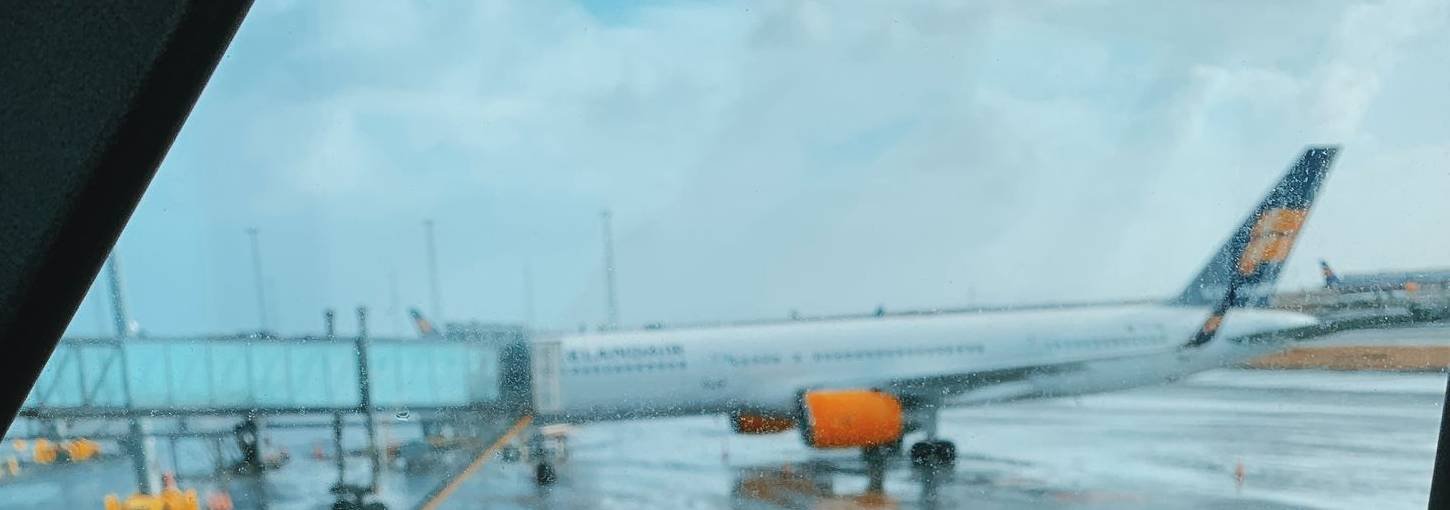
Keflavík International Airport (IATA: KEF) is where almost every visitor to Iceland lands. It sits on the Reykjanes Peninsula, around 50 km from Reykjavík, and it is run by Isavia as a single terminal. That makes it easy to navigate, but the first hour on the ground still goes better with a plan. This guide covers the layout, what to do between the gate and the exit, and how to get on to your first night. For the full price comparison of buses, taxis and private cars into town, see our Reykjavík airport transfer guide.
Quick Facts (as of 2026)
| Item | Detail |
|---|---|
| Airport code | KEF |
| Terminal | One main terminal building, with arrivals on the ground floor and departures above |
| Distance to Reykjavík | About 50 km, 45-55 minutes by road |
| Distance to Blue Lagoon | About 20 minutes by road |
| Flybus to BSÍ (central Reykjavík) | From approximately ISK 3,999 one way |
| Taxi to Reykjavík | Approximately ISK 15,000-18,000 per car |
| Time zone | UTC all year, no daylight saving |
Terminal Layout
KEF is compact compared with most European hubs. Planes park at jet bridges or you walk or bus to remote stands, depending on the flight. After landing you follow the signs to passport control, then to baggage reclaim, then through customs to the arrivals hall. Departures work in the opposite direction: check-in and bag drop, a security screening area, then a shopping and food area that all gates open from.
Two details trip up first-time visitors. First, Schengen and non-Schengen flights use separate passport routes, and transfer passengers between the two groups should check their connection time carefully. Second, there is no separate local transport hub inside the building: buses, taxis and rental shuttles all leave from just outside the arrivals exit, so you do not need to hunt for a desk once you are out.
Arrivals and the Duty-Free Store
The arrivals duty-free store is in the baggage reclaim area, before you leave the secure zone. It is worth a stop because alcohol in Iceland is sold only through state-run Vínbúðin shops and licensed bars, and bar prices are high. Beer, wine and spirits bought here are priced well below those venues, and you are limited by the official customs allowance, so check it on the Icelandic customs site before you load a basket. Card payments are standard and cash is rarely needed anywhere in Iceland.
Other useful arrivals services include free luggage carts, cash machines, a SIM and eSIM desk, and tourist information. If you prefer to skip the queue, see our Iceland eSIM guide and set up data before you fly.
Getting to Reykjavík or Your Hotel
The main options are covered in depth on the transfer page, but here is the short version.
- Flybus: The coaches are timed to flights and wait just outside arrivals. The standard service ends at BSÍ Bus Terminal, with a paid hotel-drop upgrade in central Reykjavík. Pre-booking online avoids a desk queue in summer.
- Airport Direct: A shared shuttle alternative that also operates from the arrivals area, usually with a drop-off close to your accommodation.
- Taxi: Taxis wait outside arrivals around the clock. Expect a queue after big banks of flights.
- Private transfer: Good for families and late arrivals, and you can book a private airport transfer before you fly.
If you land late and plan to stay near the airport instead of heading into town, our where to stay on the Reykjanes Peninsula guide covers hotels within a short drive of KEF.
Car Rental Shuttles and Pickup
Several rental desks are in the arrivals hall, but many cheaper local firms are based off-site. Their staff meet you at a marked point outside arrivals or run a free shuttle to a nearby lot, which in our experience takes 10-20 minutes in total. Saga Car Rental and Reykjavik Rent a Car both advertise free shuttles from KEF, with departures every 15-30 minutes during the day. Confirm the meeting point and opening hours in your booking email, especially for night arrivals. If you land at 05:00 after an overnight flight, check that your supplier opens that early.
Before you drive away, photograph the car, check for winter tyres from November to mid-April, and read our Iceland car rental guide for insurance choices such as gravel and sand-ash cover. You can also compare Iceland car hire prices before you travel. If you are tired after a red-eye, consider taking the Flybus into town and collecting the car the next day.
The Blue Lagoon Stopover
The Blue Lagoon is the classic first or last stop: it is on the road between KEF and the capital, and the lagoon has luggage storage on site. Entry is by timed slot only, with Comfort tickets from approximately ISK 11,990 as of 2026, and prices change by time slot. Book before you fly, because walk-ups are turned away. Coaches run from the airport, and our Reykjavík and Keflavík to Blue Lagoon transport guide compares them with taxis and rental cars. For a longer stay, read about the Icelandair stopover programme, which lets you add up to seven nights in Iceland on a transatlantic ticket at no extra airfare. If you want a guided option, Blue Lagoon tours include transport from Reykjavík.
Luggage Storage
Information on luggage storage at KEF has varied over the years, with older sources describing a facility outside the building and newer ones mentioning lockers, so check the current details on the Isavia site before you plan around it. The Blue Lagoon provides storage for guests, which is the most reliable option for a layover or an early arrival. In central Reykjavík you will also find bag-drop services near BSÍ and several hotels that hold bags after checkout.
Food and Drink Prices
Airport prices are higher than in town, and Iceland is expensive to start with. As a guide as of 2026, expect approximately ISK 1,000-1,500 for a coffee and pastry, ISK 2,000-3,000 for a sandwich or salad, and ISK 3,500-5,500 for a hot meal. A pint of beer in the airside bar costs more than in a Reykjavík pub. Tap water is excellent and free, so bring a refillable bottle and fill it after security. If you are on a budget, buy groceries in Reykjanesbær or Reykjavík rather than relying on the terminal.
Departure Day Tips
Plan to arrive at KEF at least 2.5-3 hours before an international flight in summer and early morning peaks. Security lines are the usual bottleneck, and the bag-drop area gets crowded when several flights depart at once. If you are returning a rental car, build in time for the shuttle back, and keep fuel to hand in case the station near the airport is busy. In winter, check road.is and the Icelandic Met Office before heading to the airport, since wind and snow can slow the drive from Reykjavík.
For planning your onward trip, our Reykjavík city guide covers the capital, and you can search hotels in Iceland once your dates are set.