Iceland is one of the world’s great solo travel destinations. It is consistently ranked the safest country on earth, the landscapes are extraordinary, and the Ring Road - 1,332 km around the entire island - is a classic self-drive journey that works particularly well for solo travellers who want to set their own pace. There is no awkward negotiation over where to stop or how long to stay.
That said, Iceland solo has its own considerations. It is expensive. It can feel isolating on long stretches of the south coast or the East Fjords, where you drive for hours without seeing another soul. And the social scene requires more effort than destinations with a backpacker trail infrastructure. This guide covers all of it.
Is Iceland Good for Solo Travel?
Yes, straightforwardly. Iceland has topped the Global Peace Index every year since 2008. Crime is negligible. The infrastructure for independent travel - well-maintained roads, widespread English, clear signage, good campsites - is excellent. And solo travellers are not unusual here; Iceland draws a large number of people who come specifically to drive or hike alone.
The Ring Road (Route 1) suits solo travellers well. You can stop whenever you want, spend as long as you like at a waterfall or a glacier, and adjust your itinerary based on weather without anyone else to consult. Solo driving the Ring Road takes approximately 7–10 days at a reasonable pace, though most people add time for detours.
The main practical adjustment is cost: hire cars, accommodation, and food are expensive, and you cannot split costs with a travel companion.
Safety for Solo Travellers
Iceland’s safety record is genuine, not marketing. Reykjavík at 2am is relaxed. Petrol stations in remote areas are unstaffed but functional. Leaving a bag in a car is not remotely unusual.
The real risks are environmental. Icelandic weather changes fast - a clear sky can become a blizzard in an hour, particularly in the highlands and on the Snæfellsnes Peninsula. Flash floods close Highland F-roads without warning. Driving on black ice on the Ring Road in winter causes serious accidents every year among unprepared visitors.
Practical safety steps:
- Register your itinerary at safetravel.is before any Highland or remote trip - this is the Icelandic Search and Rescue Association’s system, and it is genuinely useful if something goes wrong
- Check road conditions daily at road.is before driving - it shows real-time closures and surface conditions
- Take out travel insurance that covers search and rescue; helicopter rescue in Iceland’s interior can cost tens of thousands of euros without it
- Do not attempt Highland F-roads without a 4WD - they involve river crossings and rough terrain
Solo Female Travel in Iceland
Iceland is outstanding for solo women. It has ranked as the world’s most gender-equal country every year since 2009 (World Economic Forum Global Gender Gap Index). Solo women travel here with complete comfort at any hour. Street harassment is virtually unknown. The culture is direct but not aggressive, and solo female travellers are entirely unremarkable - there is no social friction and no areas to avoid.
How to Meet People in Iceland
Self-driving Iceland can feel lonely. There is no well-worn backpacker trail the way Southeast Asia or South America has one, and the landscape’s scale emphasises solitude. If connection matters on your trip, the following work reliably.
Geothermal pool culture is the best entry point into Icelandic social life. Every town has a public swimming pool (sundlaug) heated by geothermal water with a hot pot (heitur pottur) where locals sit, talk, and stay for hours. These are not tourist attractions - they are daily social infrastructure. Laugardalslaug in Reykjavík is the city’s main pool. Across Iceland, stopping at the local sundlaug rather than the tourist hot spring often puts you in the company of actual Icelanders. Sitting in the hot pot next to strangers is how conversations start; it is culturally normal to talk to people you have never met.
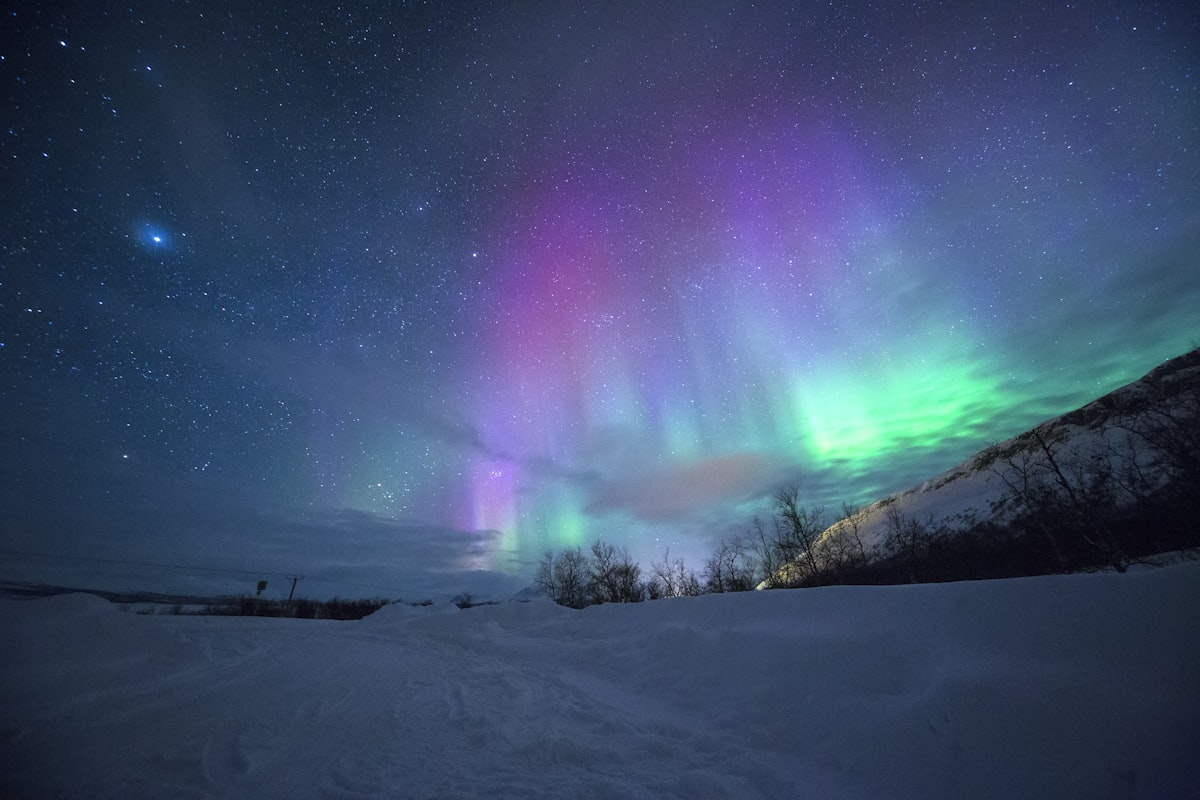
Aurora hunting groups on Facebook - “Northern Lights Iceland” and “Aurora Borealis - Iceland” are the two largest - coordinate real-time sightings, with members sharing current cloud cover reports and heading to dark-sky spots. People meet up informally at sighting locations during active nights.
Ferðafélag Íslands (the Iceland Touring Association) runs organised hikes into the interior highlands throughout summer, including routes to Landmannalaugar and other areas that require guided access or group logistics. These trips are open to visitors and are a genuine way to walk with Icelanders rather than other tourists.
Reykjavík hostels with good common spaces: Kex Hostel on Laugavegur is the standard recommendation - its bar is popular with non-hostel locals, which gives it a different feel from a standard hostel common room. Oddsson, near the old harbour, has a similar community focus.
The Laugavegur Trail - 55 km through the highlands from Landmannalaugar to Þórsmörk - takes 4–6 days and has mountain huts (Fimmvörðuháls huts, Hrafntinnusker, Álftavatn, Emstrur) where the same group of hikers stays each night. The natural rhythm of the trail creates a social group without any effort. Book huts well in advance through fi.is - July and August slots sell out months ahead.
Whale watching and puffin tours from Húsavík involve small boats and 2–3 hour shared experiences. North Sailing and Gentle Giants are the main operators from Húsavík’s old harbour. These trips work well for solo travellers.
Guided glacier hikes (Vatnajökull, Sólheimajökull) and northern lights tours from Reykjavík are structured group experiences where solo travellers naturally mix.
Best Bases for Solo Travellers
Reykjavík is the most practical base. It has the widest hostel choice, the most walkable centre, and the best access to day tours for everything from the Golden Circle to whale watching. As a solo traveller, it gives you the option to join organised tours on days when you don’t want to drive.
Akureyri in north Iceland works well as a second base for exploring the Diamond Circle (Húsavík, Goðafoss, Dettifoss, Lake Mývatn). It has a small city feel - compact, walkable, with a good swimming pool and a handful of decent restaurants - and is much less crowded than Reykjavík.
Vík on the south coast is a useful overnight stop on a Ring Road circuit. It sits near Reynisfjara black sand beach, the Skógafoss and Seljalandsfoss waterfalls, and the Eyjafjallajökull glacier. As a solo base it is fine for a night or two, though limited for longer stays.
Group Tours Worth Taking
Some experiences are significantly better - or only accessible - on a guided tour. Northern lights tours from Reykjavík take the guesswork out of finding dark skies; guides track cloud cover and drive you to the best available spot. Golden Circle tours work well on days when you want a rest from driving, and guides add geological context to Þingvellir and Geysir that you would not get independently. Glacier hikes on Sólheimajökull and Vatnajökull require a guide for safety reasons regardless.
For a full overview of what is available, see tours across Iceland.
Practical Solo Tips
Budget: Plan for approximately €150–250 per day as of 2026 - this is a realistic range covering a hire car, petrol, a guesthouse or hostel bed, and supermarket groceries. Eating in restaurants at every meal pushes costs considerably higher. Krónan and Bónus are Iceland’s cheapest supermarket chains.
Hire car: A standard 2WD hire car handles the Ring Road in summer. For F-roads (Highland interior routes, including the road to Landmannalaugar), a 4WD is legally required and practically essential. Most hire car companies are based at Keflavík Airport. Book in advance for summer - availability drops and prices rise sharply from mid-June.
Accommodation: Book ahead for July and August. Iceland’s accommodation supply is limited relative to visitor numbers in peak season, and popular guesthouses on the Ring Road sell out weeks in advance.
Connectivity: Iceland has good mobile coverage on the Ring Road and in all towns. Coverage drops in the interior highlands. A local SIM (Síminn or Nova) or an eSIM gives you the data you need for maps and road condition checks.
Driving: Iceland drives on the right. Single-lane bridges (einbreiðar brýr) appear on the Ring Road - slow down and give way to approaching traffic. Overtaking on gravel hard shoulders (where roads narrow) is the most common cause of accidents involving foreign drivers. Check road.is every morning.
Best Time to Go Solo
June through August is the social season. The midnight sun means daylight around the clock, campsites are full, guesthouses are busy, and there are more travellers to meet. Guided tours run at full capacity, and the Laugavegur Trail has its full hut community. The trade-off is cost: summer is peak pricing for everything.
September through March is darker and quieter. The aurora season runs roughly from late August to April when skies are dark enough. Northern lights tours create their own social scene - groups of 10–20 people standing in a field at midnight tend to talk to each other. Accommodation is cheaper and roads are less crowded, but some services reduce or close, and driving requires more caution on icy roads.
For solo travellers over 50, the practical verdict is the same as for any age: summer for easier conditions and more social density, winter/shoulder for aurora and lower costs. Iceland has no particular age culture around travel - all ages are unremarkable here.
Related Guides
- Best time to visit Iceland - When to plan your solo trip based on daylight, cost, and social conditions
- Iceland budget guide - How to manage solo travel costs in one of Europe’s most expensive countries
- Iceland car rental guide - Self-driving solo in Iceland: what to hire, insurance, and solo surcharge considerations
- Laugavegur trail guide - The 4-day trail most commonly hiked solo: hut system, booking, and what to expect
- Northern lights tours from Reykjavík - Guided aurora tours: the best way to meet other travellers in winter
- Digital nomad in Iceland - Working remotely from Iceland: visas, coworking, and the cost of staying longer
Plan Your Trip
✈️ Book your flights to Iceland 🛡️ Get travel insurance 📱 Stay connected with an eSIM 🚗 Rent a car