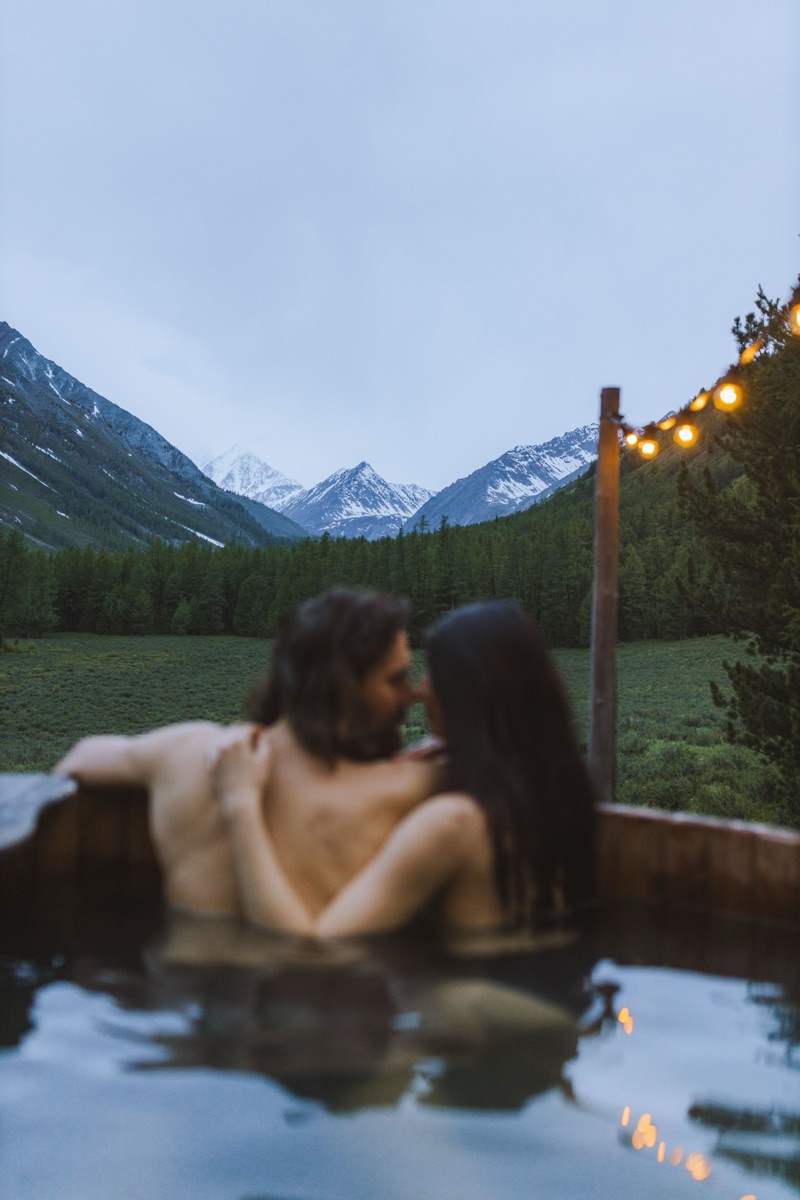
Iceland is one of the few honeymoon destinations that genuinely delivers on the promise of transformative, once-in-a-lifetime experiences - glaciers you walk across, hot springs you sink into, and skies that turn green without any warning. It rewards couples who want more than a beach and a sun lounger.
This guide covers the best romantic hotels, the key experiences worth prioritising for a couple, and how to plan your Iceland honeymoon by season.
Why Iceland Works as a Honeymoon Destination
The case for Iceland isn’t built on tropical warmth. It’s built on drama. Landscapes that look otherworldly at every turn. The silence of the highlands. Watching the Northern Lights appear above a hot tub in the middle of nowhere. There’s an intimacy to Iceland that few destinations match - you’re often the only people at a waterfall, or sharing a remote lagoon with a handful of others.
It also helps that the infrastructure is excellent. Roads are well-maintained, accommodation ranges from cosy guesthouses to luxury lodges, and logistics are manageable without an organised tour. A self-drive honeymoon here is genuinely achievable.
Romantic Hotels in Iceland
The Ion Adventure Hotel (Golden Circle)
Perched above the lava fields near Þingvellir, Ion Adventure Hotel is one of Iceland’s most architecturally striking properties. Floor-to-ceiling windows face north - the direction you want for aurora watching. The hotel has its own hot tubs outdoors, a Northern Lights bar, and direct access to lava trails. Rooms start from approximately ISK 50,000 per night as of 2026.
Best for: Couples who want a design hotel close to the Golden Circle without driving far from Reykjavík.
Deplar Farm (Tröllaskagi Peninsula)
One of Iceland’s most exclusive properties, Deplar Farm occupies a converted sheep farm on the remote Tröllaskagi peninsula in North Iceland. Rates are all-inclusive and cover activities including heli-skiing (in winter), river fishing, and guided hiking. Twelve suites, geothermal pool, sauna, and a level of seclusion that’s almost impossible to find elsewhere. Rates from approximately USD 1,500 per person per night as of 2026 - this is the top end of Iceland luxury.
Best for: Couples who want complete seclusion with helicopter access and world-class service.
Buubble Iceland (South Iceland)
Transparent geodesic bubble domes on the South Coast, designed specifically for aurora-watching. Each dome has a bed, heating, and a private bathroom - you sleep under the open sky in full warmth. Located near the Golden Circle, with Seljalandsfoss and Skógafoss within driving distance. From approximately ISK 80,000 per night as of 2026.
Best for: The Northern Lights experience; sleeping under the aurora is genuinely extraordinary.
Fosshotel Glacier Lagoon (East Iceland)
Positioned near Jökulsárlón Glacier Lagoon - one of the most dramatic spots in the country - Fosshotel Glacier Lagoon is the closest hotel to the icebergs. Rooms have lagoon or mountain views. Glacier walks and ice cave tours are accessible directly from the hotel. From approximately ISK 45,000 per night as of 2026.
Best for: Couples making the full Ring Road drive who want a memorable night near the glacier lagoon.
Hotel Húsafell (West Iceland)
A boutique hotel in the Borgarfjörður valley, with its own outdoor geothermal pool, restaurant using local produce, and access to the Langjökull glacier. Quiet, elegant, and within range of the Snæfellsnes peninsula and the Westfjords. Rates from approximately ISK 35,000 per night as of 2026.
Best for: Couples wanting a slower pace with nature access, without the tourist density of South Iceland.
Key Romantic Experiences
The Blue Lagoon
The Blue Lagoon is Iceland’s most famous attraction for a reason - and it works particularly well for couples. The milky-blue geothermal water sits at 37–39°C year-round, surrounded by lava fields. In winter, steam rises around you while cold air keeps your head clear.
Booking in advance is essential; the Blue Lagoon sells out weeks ahead in peak season. For a honeymoon, consider the Premium or Retreat packages - the Retreat Lagoon is a private section with fewer visitors, in-water bar service, and access to the Retreat Spa and Retreat Restaurant. Premium entry from approximately ISK 14,900 per person as of 2026; Retreat from ISK 85,000 per person.
Northern Lights
The Northern Lights are not guaranteed - they depend on solar activity, clear skies, and darkness. But Iceland’s position within the auroral oval means conditions align regularly from September through March. The key variables:
- Geomagnetic activity: Track with vedur.is or the Aurora Forecast app
- Cloud cover: Iceland’s west coast is often cloudier than the north and east; heading inland helps
- Darkness: You need genuine darkness, which means September onwards (midsummer nights are too bright)
Many romantic hotels (Ion, Buubble, smaller guesthouses across the south) will wake you when the lights appear. Alternatively, join a Northern Lights boat tour from Reykjavík - getting offshore removes light pollution and often delivers better viewing.
Glacier Walks
Walking on a glacier with a guide is one of Iceland’s genuinely special couple activities. You’ll be roped together in some cases, moving across ancient ice with crampons, surrounded by crevasses and blue ice formations. It’s physical, slightly wild, and the kind of thing you’ll talk about for years.
Sólheimajökull is the most accessible glacier for a day trip from Reykjavík - 2 hours’ drive on the South Coast. Guided glacier walks from approximately ISK 12,000–15,000 per person as of 2026. Book ahead; tours fill in summer.
For a more immersive experience, Skaftafell (in Vatnajökull National Park) offers ice cave tours in winter and longer glacier hikes. The blue ice caves, accessible October through March, are among the most visually stunning places in Iceland.
Sky Lagoon
A newer competitor to the Blue Lagoon, the Sky Lagoon sits on the coast just outside Reykjavík. Its defining feature is an infinity edge that looks directly out to sea - the Atlantic stretching to the horizon from a warm geothermal pool. The seven-step spa ritual (pool, cold plunge, sauna, steam room, fog mist, sky bar) takes around 90 minutes. Tickets from approximately ISK 13,490 per person as of 2026. Less crowded than the Blue Lagoon outside peak hours; closer to the city.
Snorkelling Silfra
Silfra is the fissure between the North American and Eurasian tectonic plates in Þingvellir National Park. The water temperature is 2–4°C year-round, but dry suits make it accessible. Visibility in Silfra exceeds 100m in some sections - among the best freshwater visibility anywhere on Earth. The tectonic walls close in on either side as you drift downstream, and the colours shift from aquamarine to deep blue.
Tours include full equipment hire and run approximately ISK 25,000–30,000 per person as of 2026. Not for the cold-averse, but couples who try it consistently describe it as one of the most memorable things they’ve done.
Iceland Honeymoon by Season
Winter (November–March)
The clear choice for Northern Lights. Days are short (4–5 hours in December) but hotels, restaurants, and roads are generally fine. Prices are lower than summer. Ice caves are open. Fewer crowds at major sites.
Trade-off: Highland roads are closed; some hiking trails are inaccessible or require winter experience.
Spring (April–May)
Increasing daylight, improving conditions on many roads. A good compromise season - some chance of aurora in April, snow-capped mountains, and fewer visitors than summer. Waterfalls are at their most powerful from snowmelt.
Summer (June–August)
The midnight sun is genuinely magical - hiking at 11pm in full daylight, with golden light that never quite sets. The most popular season, so accommodation books out early. No Northern Lights (too bright), but everything else is fully accessible.
Trade-off: Highest prices; Seljalandsfoss and Skógafoss crowded midday.
Autumn (September–October)
A favourite for many who’ve been before. Autumn colours arrive in September, aurora season begins, and summer crowds have thinned. The weather is variable but manageable. An excellent compromise between summer’s accessibility and winter’s drama.
Practical Planning Notes
Getting around: Most Iceland honeymoons make sense as self-drives. A 4WD is not required for the Ring Road in summer, but is recommended for late autumn through spring (F-roads require a 4x4 regardless). Rental prices vary - book ahead to secure the best rate.
Dining: Reykjavík has excellent restaurants for a celebratory dinner - Matur og Drykkur focuses on traditional Icelandic recipes elevated with modern technique; Dill holds a Michelin star and offers New Nordic menus from ISK 20,000+ per person. Outside the capital, guesthouses serve reliable Icelandic comfort food; expectations should adjust accordingly in remote areas.
Duration: 7–10 days is typical for an Iceland honeymoon. A full Ring Road loop takes 7–8 days at a relaxed pace. A South Coast + Reykjavík + Westfjords trip fits into 7 days. A focused South Coast + highlands trip can be done in 5.
Further Planning
- Iceland travel insurance - What cover you need for a self-drive honeymoon in Iceland
- Luxury hotels in Iceland - The best high-end stays for a honeymoon: The Retreat, Ion Adventure Hotel, and Deplar Farm
- Midnight sun Iceland - What to expect from Iceland’s summer daylight and how to plan around it
- Iceland photography guide - Capture your honeymoon landscapes with the right technique
- Sky Lagoon Reykjavík - The most romantic spa option in Reykjavík: ocean views and a private ritual package
- Blue Lagoon Iceland - Iceland’s most iconic geothermal experience, bookable on arrival or departure day
- Northern lights photography guide - Capturing the aurora on your honeymoon: technique, equipment, and conditions
- Jökulsárlón glacier lagoon - The most cinematic stop on any Iceland honeymoon itinerary
- Snæfellsnes road trip - A quieter, romantic alternative to the South Coast for couples seeking solitude
Plan Your Trip
✈️ Book your flights to Iceland 🛡️ Get travel insurance 📱 Stay connected with an eSIM 🚗 Rent a car