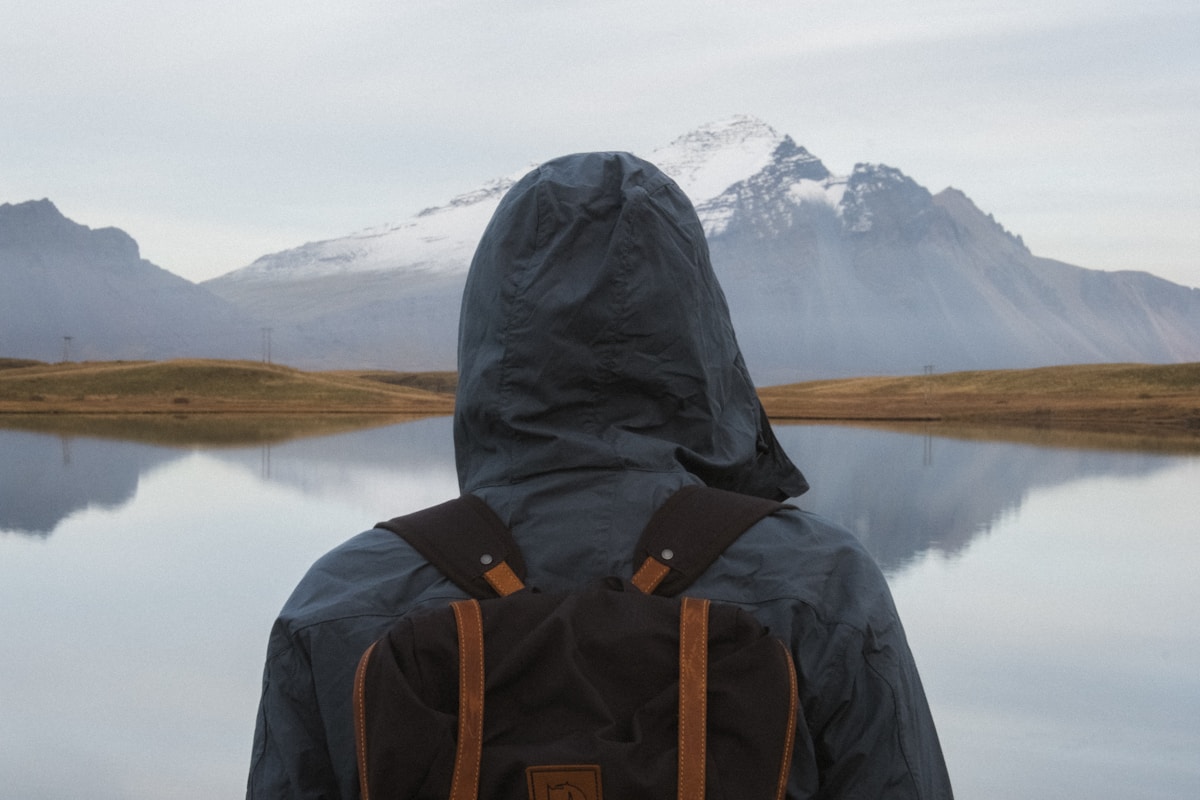
Iceland’s weather is the defining variable in packing. The golden rule: pack as if it could rain, blow, and be cold at any point, regardless of the month. Even in July, an afternoon on Reynisfjara beach or walking to a glacier can be cold, wet, and windy.
The Non-Negotiables (All Seasons)
Waterproof jacket: Fully waterproof (seam-sealed), not just water-resistant. A hood is essential. This is the single most important item.
Waterproof trousers: Often overlooked. For hiking, waterfalls (you’ll walk close to Skógafoss and Seljalandsfoss), and black sand beaches, waterproof trousers are as important as the jacket.
Warm mid-layer: A fleece or down jacket. You’ll wear this under your waterproof most days.
Waterproof hiking boots: With ankle support. Iceland’s terrain - lava rock, wet grass, black sand - requires proper footwear.
Hat and gloves: Even in summer on exposed coastal areas or glacier visits.
Clothing Layers
Base layers (2–3 sets): Moisture-wicking merino wool or synthetic. Cotton dries slowly and becomes cold when wet - avoid.
Mid-layers (2): Fleece or insulated jacket. One lightweight, one warmer.
Waterproof outer layer (jacket and trousers): As above.
Casual wear for evenings: Jeans or smart casual are fine for Reykjavík restaurants and bars. No need for formal clothing.
Hiking socks: Merino wool hiking socks (3 pairs). Durable, warm when wet, quick-drying.
Footwear:
- Waterproof hiking boots (primary)
- Comfortable shoes for Reykjavík city walking
- Sandals or flip-flops for geothermal pools (some have wooden decks)
Summer-Specific
Eye mask: Absolutely essential June–July. Iceland doesn’t get dark in summer. Most hotels have blackout curtains but the mask is insurance.
Sunscreen: UV levels are higher than you’d expect, particularly on white glaciers and reflective water.
Light layers: Temperatures can reach 15–20°C in Reykjavík in July - you’ll want lighter options for warmer days.
Winter-Specific
Thermal base layers: Heavyweight merino wool or synthetic thermal leggings and top.
Down jacket: A proper cold-weather down or synthetic fill jacket for temperatures below -5°C.
Thermal hat, balaclava, buff: For wind chill.
Microspikes or crampons: For icy paths in towns and on coastal walks. Lightweight microspikes (approximately ISK 3,500–5,500 at Icelandic outdoor shops) are worth buying on arrival.
Waterproof over-trousers: More important in winter when snow and slush are on the ground.
Activities and Gear
For glacier walks: Operators provide crampons and helmets. Bring your waterproof outer layers and proper hiking boots.
For swimming pools and geothermal spas: Swimsuit and towel (or rent at the spa for approximately ISK 800).
For hiking (Laugavegur/Þórsmörk): Add a sleeping bag (rated to -5°C minimum), trekking poles, a headtorch, and emergency snacks.
For photography: UV/polarising filter, spare batteries (cold drains them), a dry bag for the camera.
What Not to Bring
- Heavy formal clothes (unnecessary)
- Flip-flops as main footwear (inadequate for any outdoor activity)
- Cotton-dominant hiking clothes (slow-drying and cold when wet)
- Too many outfits - Iceland’s outdoor culture is casual, and laundry facilities are available at most hostels and campsite blocks
What to Buy on Arrival
Icelandic wool jumper (lopapeysa): The traditional Icelandic wool sweater is genuinely warm and a worthwhile purchase. Ull shops and the Handknitting Association shop on Skólavörðustígur sell authentic ones from approximately ISK 20,000–40,000.
Microspikes: For winter visits - buy at Icelandic outdoor shops (66°North, Útilíf) rather than bringing heavy crampons from home.
Get travel insurance for Iceland - policies covering glacier hikes, F-road driving, and volcanic disruption.
Pick up an Iceland eSIM before you travel - works on arrival and covers most of the Ring Road.
Compare car hire in Iceland - a 4WD or campervan gives the flexibility to explore at your own pace.
Related Guides
- Best time to visit Iceland - Packing needs vary significantly by season
- Iceland driving guide - What to have in the car for safety and comfort
- Iceland budget guide - How much to budget including gear purchases
- First time in Iceland - Everything you need to know before your first visit
Plan Your Trip
✈️ Book your flights to Iceland 🛡️ Get travel insurance 📱 Stay connected with an eSIM 🚗 Rent a car