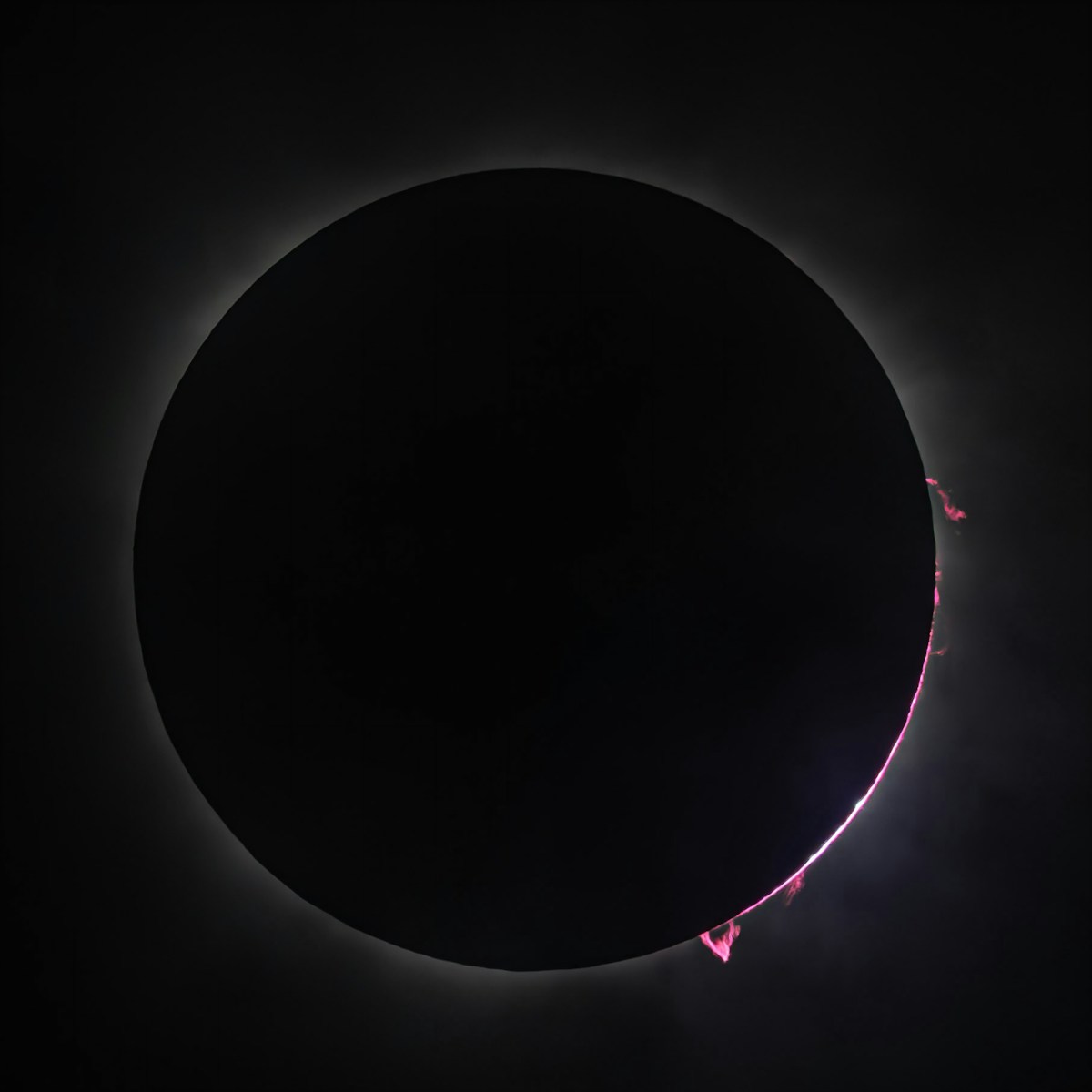
On August 12, 2026, a total solar eclipse crosses western Iceland - the first total eclipse visible from Iceland since 1954, and the first over Reykjavík in 593 years. The next one over Iceland won’t come until 2196. If you’re planning to be in the country that week, this guide covers where to stand, when totality happens, and how to handle the logistical crunch that’s already well underway.
The Path of Totality
The moon’s shadow makes landfall at the northern tip of the Westfjords at 17:43 local time, sweeps southeast across the Westfjords, the Snæfellsnes Peninsula, Reykjavík, and the Reykjanes Peninsula, then exits over the Atlantic toward Spain. Everywhere in Iceland sees at least a deep partial eclipse, but totality - the part worth travelling for - only happens inside the path.
Approximate totality durations, per eclipse2026.is and NASA data:
| Location | Totality begins (local) | Duration |
|---|---|---|
| Látrabjarg, Westfjords | ~17:44 | 2m 13s |
| Hellissandur, Snæfellsnes | ~17:46 | 2m 07s |
| Ólafsvík, Snæfellsnes | ~17:46 | 2m 05s |
| Straumnes, Hornstrandir | ~17:43 | 1m 26s |
| Reykjavík (city centre) | ~17:48 | ~1m 00s |
| Keflavík Airport area | ~17:48 | ~1m 40s |
The partial phases run from approximately 16:47 to 18:47. The difference between a 1-minute and 2-minute totality matters more than it sounds - most first-time eclipse viewers describe totality as ending far too quickly.
Best Viewing Spots
Látrabjarg (Westfjords) - longest totality on land. The westernmost point of Iceland gets 2 minutes 13 seconds. The catch: it’s a 5.5 to 6-hour drive from Reykjavík including a long gravel section, and Westfjords accommodation is extremely limited. Only realistic if you’re already basing yourself in the Westfjords for several days.
Hellissandur and Ólafsvík (Snæfellsnes) - the practical sweet spot. Just over 2 minutes of totality, paved roads the whole way, and about 2.5 hours’ drive from Reykjavík. The area around Snæfellsjökull glacier offers dramatic foregrounds for photography. Expect the Snæfellsnes Peninsula to be the most crowded place in rural Iceland that day - authorities anticipate tens of thousands of day-trippers on Route 54.
Reykjavík - convenient but short. Roughly 1 minute of totality from the city centre, slightly more from the western edges and Seltjarnarnes. If you can’t travel, it’s still a total eclipse - but if you have a car, driving 30–60 minutes northwest buys you meaningfully more time in the shadow.
Reykjanes Peninsula. The area near Keflavík gets around 1 minute 40 seconds, making it a strong option if you’re flying in or out close to eclipse day.
The Iceland Eclipse Festival
The largest organised event is Iceland Eclipse, a five-day festival at Hellissandur on Snæfellsnes running August 11–15, 2026 - concerts, science talks, workshops, and a mass viewing of totality from inside the 2-minute zone. Multiple ticket tiers are sold via icelandeclipse.com and eclipse.is; general admission tiers started around the price of a mid-range European festival, with premium tiers above that. Check current availability directly - tiers have been selling out progressively through 2026. The Blue Lagoon and Perlan in Reykjavík are also running dedicated eclipse programmes.
Accommodation: The Hard Truth
Search hotels in Iceland on Booking.com
Hotels inside the path of totality largely sold out 12–18 months in advance, and remaining rooms are listed at roughly 200–300% above normal August rates as of mid-2026. Realistic options now:
- Base in Reykjavík or the south and drive in. Totality is at ~17:45, so even a same-day drive from Reykjavík to Snæfellsnes works - leave by 10:00 to beat traffic, which is expected to be severe.
- Campervan. The most flexible option - you can reposition for weather on the morning of the eclipse. Book early; eclipse-week campervan stock is also tight.
- Camping. Campsites at Hellissandur, Ólafsvík, Grundarfjörður, and Arnarstapi take tents without advance booking in most cases, though eclipse week may bring temporary reservation systems - check sites’ pages before relying on this.
- Day tours. Several Reykjavík operators run eclipse day trips to Snæfellsnes with guaranteed departure and an experienced driver handling the traffic. These are bookable now and solve the logistics in one purchase.
A rental car is close to essential for weather flexibility - compare prices early via our car rental guide, because eclipse-week stock is going the same way as hotels.
Weather Strategy
August in west Iceland is statistically one of the cloudier months - historic late-afternoon cloud cover runs 50–60% along the path. Three rules:
- Stay mobile. Don’t lock yourself to one viewpoint. The Snæfellsnes coast can be clear on the north side and fogged on the south, or vice versa.
- Watch vedur.is from 48 hours out. The Icelandic Met Office’s cloud cover forecast is the tool every local will be using.
- Have a fallback direction. If Snæfellsnes looks socked in on the morning of the 12th, Reykjanes or the capital area may be clear - a shorter totality you can see beats a longer one you can’t.
Practical Checklist
- ISO 12312-2 certified eclipse glasses - bring them from home; Icelandic stocks will sell out
- Full fuel tank the day before - petrol stations on Snæfellsnes are sparse and will be queued
- Food and water in the car - restaurants in the totality zone will be overwhelmed
- Warm layers - temperatures drop noticeably during totality, on top of a typical August afternoon of 11–14°C
- Arrive at your spot by 15:00 - parking at named viewpoints will fill hours ahead
- Camera: a solar filter for partial phases; during totality, filters off. Practise beforehand - or honestly, just watch it
For broader context on conditions that month, see our Iceland in August guide.
If You Haven’t Booked Anything Yet
It’s not too late, but the order of operations matters: secure transport first (rental car or campervan), then accommodation anywhere within 2.5 hours of the path - Reykjavík, Borgarnes, even Selfoss - and treat eclipse day as a day trip. Flights into Keflavík around August 10–14 are elevated but still available as of June 2026. The eclipse lasts two minutes; the trip around it can still be a full Iceland holiday.
Browse Iceland tours - day trips, activity bookings, and multi-day packages across the country in one place.
Compare car hire in Iceland - a 4WD or campervan gives the flexibility to explore at your own pace.
Get travel insurance for Iceland - policies covering glacier hikes, F-road driving, and volcanic disruption.
Related Guides
- Iceland in August - Weather, daylight, crowds, and what else to combine with an eclipse visit
- Best time to visit Iceland - Month-by-month overview of Iceland’s seasons, costs, and conditions
- Selfoss travel guide - One of the best base towns for viewing totality on the eclipse path
- Borgarnes travel guide - Another well-positioned overnight base with easy road access to the path
- Reykjavík city guide - Iceland’s capital sits within the totality path and has the most accommodation
- Iceland car rental guide - Booking a car for eclipse day: what you need and when to book
Plan Your Trip
✈️ Book your flights to Iceland 🛡️ Get travel insurance 📱 Stay connected with an eSIM 🚗 Rent a car