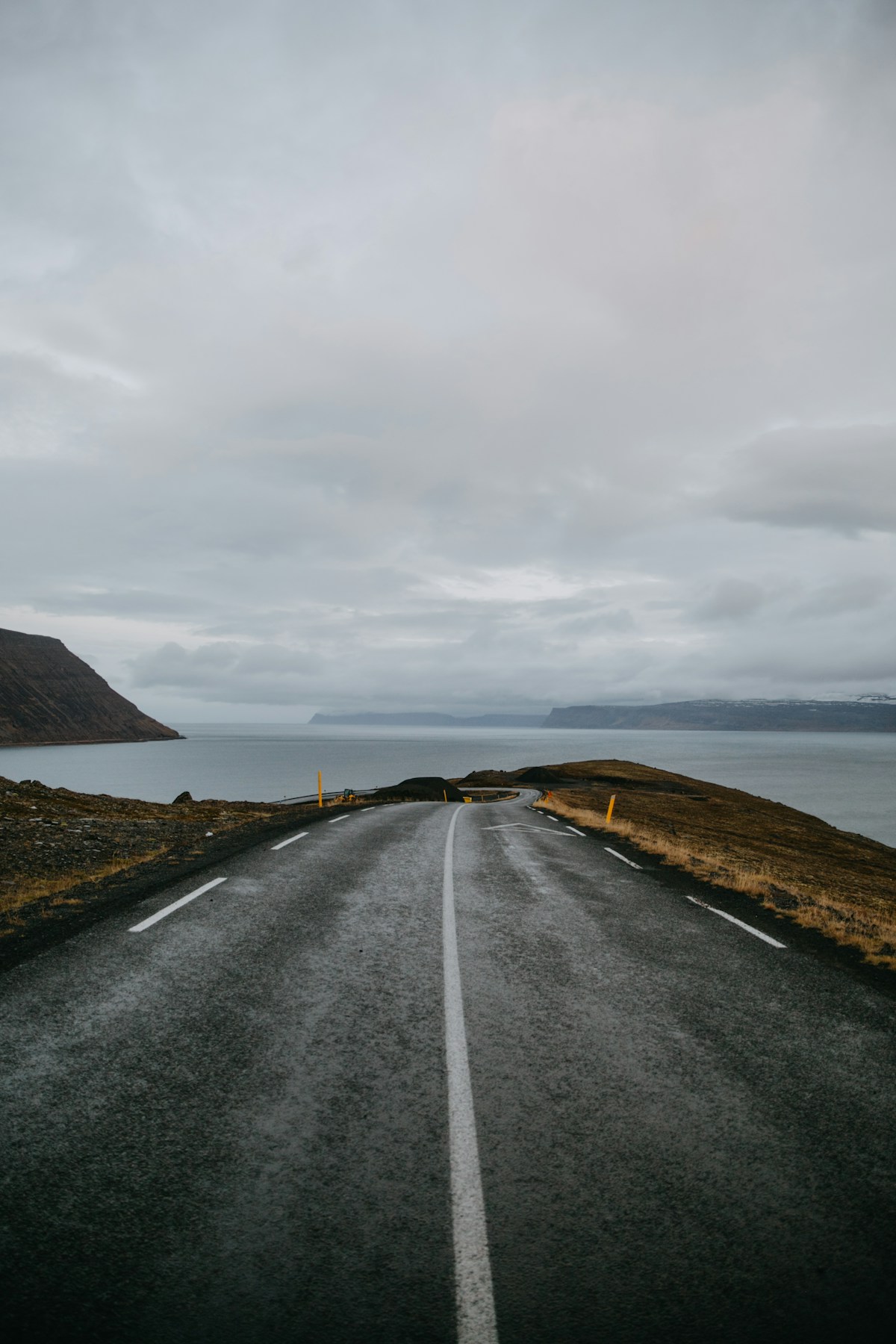
The Westfjords road trip is the most remote driving experience accessible by car in Iceland. The peninsula’s deep fjords mean the road winds continuously - 300km of driving covers approximately 100km of direct distance. The payoff is extraordinary solitude, Iceland’s most dramatic waterfall (Dynjandi), Europe’s most accessible puffin cliffs (Látrabjarg), and landscapes that feel genuinely untouched.
Getting to the Westfjords
If driving, hire a car in Iceland well in advance - a 4WD with high clearance is advisable for the Westfjords’ mountain pass roads.
By car from Reykjavík: Approximately 450km via Route 1 to Borgarnes then Route 60 into the Westfjords. Allow 6–7 hours to Ísafjörður. A 4WD with adequate clearance is advisable - the Westfjords roads are partly gravel.
By ferry from Stykkishólmur: The Baldur ferry (seatours.is) crosses Breiðafjörður bay to Brjánslækur in the southern Westfjords - 2.5 hours, approximately ISK 3,500 per person and ISK 12,000–16,000 per car. This is the classic entry route from the Snæfellsnes area and saves considerable driving.
By air to Ísafjörður: Eagle Air flies from Reykjavík Domestic in approximately 45 minutes, from ISK 10,000–20,000 one way. Useful if you want more time exploring and less time driving transit.
Suggested 4-Day Circuit
Day 1: Enter via Ferry or Drive - Patreksfjörður Base
Arrive at Patreksfjörður (the main town in the southern Westfjords) in the afternoon. Explore the town, check in to accommodation, and plan the next 3 days.
Day 2: Látrabjarg Bird Cliffs and Rauðasandur Beach
Látrabjarg cliffs are 60km west of Patreksfjörður. An early start gives better puffin viewing before midday crowds (minimal in the Westfjords but mornings are always better for birds). Allow 1–2 hours at the cliffs.
On the return, detour to Rauðasandur red sand beach via Route 614 (gravel mountain track). The rust-coloured beach stretching for several kilometres is extraordinary. Allow 1 hour at the beach.
Return to Patreksfjörður for the night.
Day 3: Drive North to Dynjandi
Follow Route 60 north along the fjords. Dynjandi waterfall is approximately 90km from Patreksfjörður. A 30-minute walk up the gorge leads to the base of the main fall - 100m of tiered fan-shaped cascade. Allow 1.5–2 hours.
Continue to Ísafjörður (approximately 80km further). Explore the old harbour, visit the Westfjords Heritage Museum, and have dinner at Tjöruhúsið (book ahead - summer only).
Day 4: Ísafjörður and Departure
Morning: walk the old harbour, coffee, optional Hornstrandir day trip booking or a morning sea kayak tour.
Afternoon: drive south via Route 60 back toward Reykjavík (approximately 6–7 hours), or fly from Ísafjörður Airport.
Key Stops
Dynjandi - Iceland’s most beautiful waterfall. The 100m fan-shaped main cascade with 7 smaller falls below it. Free. Allow 2 hours with the approach walk. Campsite at the car park.
Látrabjarg - 14km of seabird cliffs with ground-level puffin access (May–August). 3–4 hours from Ísafjörður.
Rauðasandur - Red sand beach from crushed scallop shells. Accessed via Route 614 (gravel). Striking and little-visited.
Ísafjörður - Historic timber buildings, Tjöruhúsið restaurant (all-you-can-eat fish), Hornstrandir day trips.
Flókalundur - A small hotel at the start of the Westfjords peninsula, on Route 60. Good lunch stop.
Practical Notes
- Fuel: Fill up at every opportunity. Stations are sparse.
- Mountain passes: Check road.is before heading out on passes - they can close with little warning.
- Accommodation: Limited - book everything in advance for July and August.
- Distances are deceptive: 100km in the Westfjords takes 2+ hours due to the winding roads.
Accommodation
Options in the Westfjords are limited — book from May onwards for summer travel.
Patreksfjörður: The main base for the southern Westfjords. Hotels and guesthouses from approximately ISK 28,000–45,000 per night; camping at the town sports ground from ISK 1,800 per person. N1 petrol station and a supermarket here.
Ísafjörður: Most accommodation variety in the region. Guesthouses from ISK 22,000–30,000; hotels from ISK 40,000+. The Tjöruhúsið restaurant (dinner only, summer) must be booked in advance — it serves a fixed seafood menu, all-you-can-eat.
Dynjandi campsite: Free camping at the car park below the waterfall. Basic facilities (toilet, no running water), but an extraordinary setting. Worth considering if splitting the long drive north.
Search hotels in the Westfjords on Booking.com
Related Guides
- Westfjords city guide - Overview of the region including all main towns and what to see
- Ísafjörður travel guide - The Westfjords capital: accommodation, restaurants, and day trips
- Puffin watching in Iceland - Látrabjarg in the Westfjords is Iceland’s most dramatic puffin location
- Snæfellsnes road trip - Combining Snæfellsnes and the Westfjords via the Baldur ferry
- Iceland F-roads guide - Some Westfjords mountain roads are classified F-roads in winter