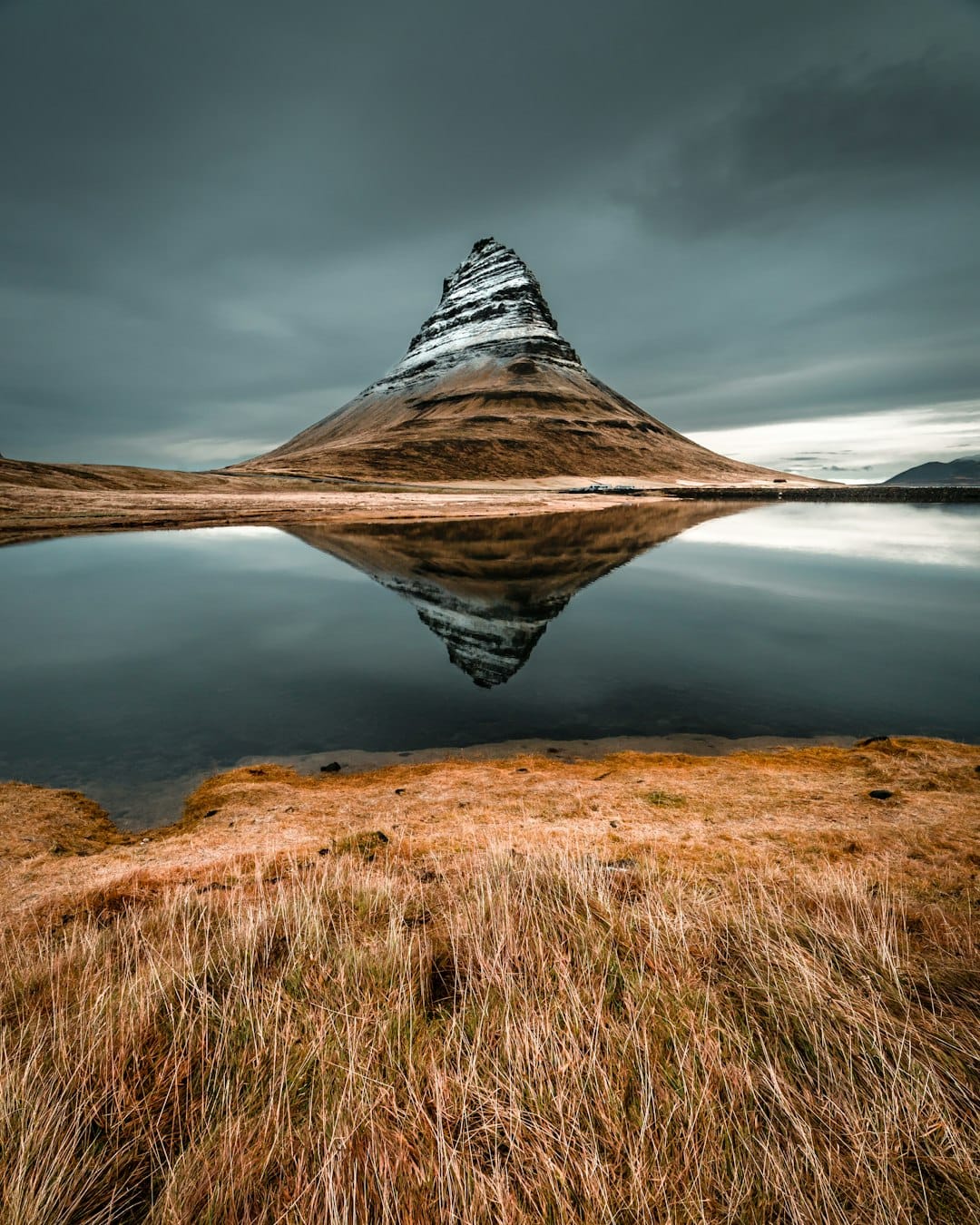
Iceland doubled as Westeros for much of Game of Thrones’ eight-season run. The country’s volcanic plains, glaciers, black sand beaches, and brooding mountain peaks gave the show its most memorable landscapes - and almost all of them are open to visitors year-round.
This guide covers every major filming location, what was shot there, how to reach it, and what to expect when you arrive.
Thingvellir National Park - The Bloody Gate and the Eyrie Approach
Thingvellir (Þingvellir) sits in a rift valley where the North American and Eurasian tectonic plates pull apart by roughly 2 cm each year. The dramatic canyon walls and open lava plains made it a recurring backdrop for scenes set at the Bloody Gate and the approach to the Eyrie in Seasons 1 through 4.
The Almannagjá gorge - a long basalt fissure running through the park - stands in for the mountain paths leading into the Vale of Arryn. The open lava fields around the visitor centre appear in multiple Stark and Lannister scenes filmed on location.
Getting there: Thingvellir is 45 km east of Reykjavik on Route 36. Drive time from the capital is around 45 minutes. The park sits at the start of the Golden Circle route, making it easy to combine with Geysir and Gullfoss.
Entry and parking: Park entry is free. Parking at the main Hakið viewpoint car park costs approximately 750 ISK per hour or 1,500 ISK per day (as of 2026). The visitor centre is open daily 09:00–17:00.
Best time to visit: Summer (June–August) gives the longest daylight and easiest access to all trails. Autumn brings spectacular colour to the birch woodland. In winter the park stays open, though some paths become icy.
Kirkjufell Mountain - Arrowhead Mountain Beyond the Wall
The pointed silhouette of Kirkjufell (Church Mountain) on the Snaefellsnes Peninsula became one of the show’s most recognisable images when Jon Snow and the Brotherhood without Banners encountered it north of the Wall in Seasons 6 and 7. The mountain was referred to on screen as Arrowhead Mountain, and the Kirkjufellsfoss waterfall at its base featured in the same sequences.
At 463 metres, Kirkjufell is not Iceland’s tallest peak, but its near-perfect conical shape makes it impossible to mistake. The reflection in the small lake at its foot - especially striking in still, overcast conditions - is one of the most photographed scenes in the country.
Getting there: Kirkjufell is on the north coast of the Snaefellsnes Peninsula near the town of Grundarfjörður, approximately 2.5 hours by car from Reykjavik on Route 1 north and then Route 54 west. There is a free car park at the base of the mountain.
Entry and opening hours: No entry fee. The car park and viewpoint are accessible at all hours. Kirkjufell itself is a technical climb - do not attempt it without proper mountaineering equipment and experience.
Best time to visit: The mountain looks particularly dramatic in overcast conditions (familiar from the show). Northern lights are sometimes visible above Kirkjufell between September and March. Midsummer brings wildflowers to the surrounding meadows.
Reynisfjara Black Sand Beach - Dragon Stone Shoreline
The jet-black beach at Reynisfjara near Vik was used for scenes set on Dragonstone’s shoreline and in sequences involving the Free Folk north of the Wall. The hexagonal basalt columns at Reynisdrangar, rising from the Atlantic surf, appear in the background of several Season 7 scenes.
Reynisfjara is also one of Iceland’s most genuinely dangerous beaches. Sneaker waves - waves that arrive without warning and run much further up the beach than expected - have killed visitors here. Stay at least 30 metres from the water’s edge and watch the sea before approaching.
Getting there: Reynisfjara is 180 km east of Reykjavik on the Ring Road (Route 1), then a short detour south on Route 215 near Vik. Drive time is approximately 2.5 hours.
Entry and parking: No entry fee. The car park is free. Facilities include toilets and a small cafe. Open at all times - a ranger or warden is present during peak season.
Best time to visit: The beach is dramatic in all seasons. Puffins nest in the basalt cliffs from May to August. Winter brings the most atmospheric storms but also the most dangerous surf conditions.
Myvatn - Beyond the Wall and the Wildling Camp
The lake district of Myvatn in north Iceland provided the show with its otherworldly landscapes north of the Wall. The pseudo-craters at Skútustaðagígar, the lava pillars at Dimmuborgir, and the steaming geothermal field at Hverir all appear in Seasons 2 and 3 - used for Mance Rayder’s wildling camp, the Fist of the First Men, and Jon Snow’s scenes with Ygritte.
Dimmuborgir (Dark Castles) is a field of dramatic lava formations created when a lava lake cooled unevenly around 2,300 years ago. Marked walking trails of varying lengths (30 minutes to 2 hours) wind through the formations. The area looks genuinely alien and requires no imagination to picture it as something beyond the known world.
The boiling mud pits and sulphur vents at Hverir, on the flanks of Mount Namafjall just east of the lake, appear in scenes where the wildlings camp in geothermal terrain. The sulphur smell is intense - a fact the show never conveyed.
Getting there: Myvatn is 90 km south of Akureyri on Route 1. From Reykjavik, it is a full day’s drive (approximately 5 hours) or a short flight to Akureyri followed by a 1.5-hour drive.
Entry and opening hours: Dimmuborgir trails are free and open year-round. The Myvatn Nature Baths (a geothermal pool near the lake) charge approximately 5,000–6,000 ISK per adult (as of 2026); open daily 09:00–21:00 in summer, shorter hours in winter.
Thorsmork - The Haunted Forest and Wildling Territory
The birch and willow valley of Thorsmork (Þórsmörk, Valley of Thor) in the southern highlands provided dense woodland scenes used for sequences beyond the Wall in Seasons 1 and 2. The twisted, moss-covered trees and river crossings look nothing like the rest of Iceland’s open landscape - which made it ideal for conjuring a sense of ancient, wild forest.
Thorsmork is surrounded by three glaciers: Eyjafjallajokull, Myrdalsjokull, and Tindfjallajokull. Getting there requires crossing several glacial rivers - the rivers can be too deep to ford safely depending on recent glacial melt.
Getting there: Thorsmork is approximately 150 km east of Reykjavik. The approach road (F249) is an F-road - a 4WD vehicle with high clearance is required. Standard rental cars cannot legally or safely make the crossing. Bus services run from Reykjavik in summer (Reykjavik Excursions and Trex operate scheduled routes, approximately 5,000–8,000 ISK each way).
Entry: No entry fee. Camping facilities are available at Volcano Huts Thorsmork and Husadalur (booking required in summer, approximately 2,500–4,000 ISK per person per night).
Best time to visit: Late June through September. The river crossings are impassable or dangerous in winter and spring.
Skaftafell and Jokulsarlon - Castle Black Glacier Scenes
Skaftafell, now part of Vatnajokull National Park, appears in Season 2 as the area near Castle Black and the Fist of the First Men. The glacier tongues of Skaftafellsjokull and Svinafellsjokull provided the ice and snow backdrops for some of the most dramatic Night’s Watch sequences.
The glacier lagoon at Jokulsarlon, 80 km further east along the Ring Road, featured in Scenes set at the wall itself and in sequences involving Daenerys’s dragons in later seasons. Icebergs calve from the Breidamerkurjokull glacier into the lagoon, then drift slowly to the sea across the so-called Diamond Beach - a black sand beach strewn with ice blocks that washes up from the lagoon.
Getting there: Skaftafell is 320 km east of Reykjavik on the Ring Road. Jokulsarlon is a further 80 km east. Together they make a logical pair - allow a full day to do both justice.
Entry and opening hours: Vatnajokull National Park entry is free. The Skaftafell visitor centre is open daily in summer (June–September), 09:00–19:00. Glacier hikes from Skaftafell require a certified guide - book glacier tours on GetYourGuide (approximately $60–120 USD per person as of 2026), departing daily in summer. Jökulsárlón boat tours on the glacier lagoon cost approximately 6,500–9,000 ISK per adult.
Practical Visitor Tips
Car Rental is Essential
There is no realistic way to visit more than one or two of these locations by public transport. A rental car is the only practical option for anyone planning a GoT location tour. For Thorsmork and any F-road locations, a 4WD with high clearance is required - standard small cars cannot safely cross the glacial rivers.
Booking early (3–6 months ahead) is strongly recommended for summer travel. Prices vary considerably; allow approximately $70–150 USD per day for a standard 4WD in summer (as of 2026). Full details on choosing a car and understanding insurance are in our Iceland car rental guide.
Best Time to Visit
Summer (June–August) gives the longest days - the midnight sun means you can explore filming locations at any hour. Crowds are at their peak at the most famous spots (Reynisfjara, Kirkjufell, Jokulsarlon).
September–October brings smaller crowds, autumn colour in Thingvellir, and the first northern lights of the season. Most locations remain accessible.
November–March is the most dramatic season visually - and the most GoT-like in atmosphere. Snow, ice, and low light reproduce the show’s Beyond the Wall aesthetic convincingly. However, some F-roads are closed, Thorsmork is inaccessible without specialised equipment, and driving conditions require serious care. Read our Iceland winter driving guide before attempting a winter location tour.
A Suggested 2-Day Filming Locations Route
This route covers the most accessible filming locations and works as a standalone itinerary or as the anchor of a longer Ring Road trip.
Day 1 - Reykjavik to Vik (via Thingvellir and Reynisfjara)
- Morning: Thingvellir National Park (Almannagjá gorge, lake views) - allow 2–3 hours
- Afternoon: Continue east on the Ring Road to Vik
- Late afternoon: Reynisfjara Black Sand Beach - allow 1.5–2 hours
- Evening: Stay in Vik (hotels and guesthouses from approximately $150–250 USD per night)
Day 2 - Vik to Skaftafell and Jokulsarlon
- Morning: Drive east along the south coast to Skaftafell - 1.5 hours from Vik
- Mid-morning: Glacier hike at Skaftafellsjokull or Svinafellsjokull (pre-book the guided tour)
- Afternoon: Continue to Jokulsarlon glacier lagoon and Diamond Beach - 45 minutes from Skaftafell
- Late afternoon: Drive back west or continue on the Ring Road towards Myvatn (overnight stop in Hofn if continuing)
To add Kirkjufell: Return from Vik to Reykjavik, then take Route 1 north and Route 54 west to the Snaefellsnes Peninsula. This adds at least one day and 4–5 hours of driving each way from the south coast route above.
To add Myvatn and Thorsmork: These require either a full Ring Road circuit (7–10 days) or separate day trips - they do not fit naturally into the 2-day south coast route.
Northern Lights at Filming Locations
Several of the filming locations are among the best spots in Iceland for northern lights viewing. Kirkjufell and Jokulsarlon are both popular aurora photography sites because of minimal light pollution and dramatic foregrounds.
The northern lights season runs from September through March. Check the Icelandic Meteorological Office aurora forecast (available at vedur.is) on the day - a forecast of 3 or above combined with clear skies gives a good chance of a visible display. Our northern lights guide covers the best viewing strategy in full.
Guided Tours
If you prefer not to drive yourself, several operators run dedicated Game of Thrones filming location day tours from Reykjavik, typically covering Thingvellir, Thorsmork, and the south coast in a single long day. Prices run from approximately $130–200 USD per person. Browse Game of Thrones tours on GetYourGuide for current availability and reviews.