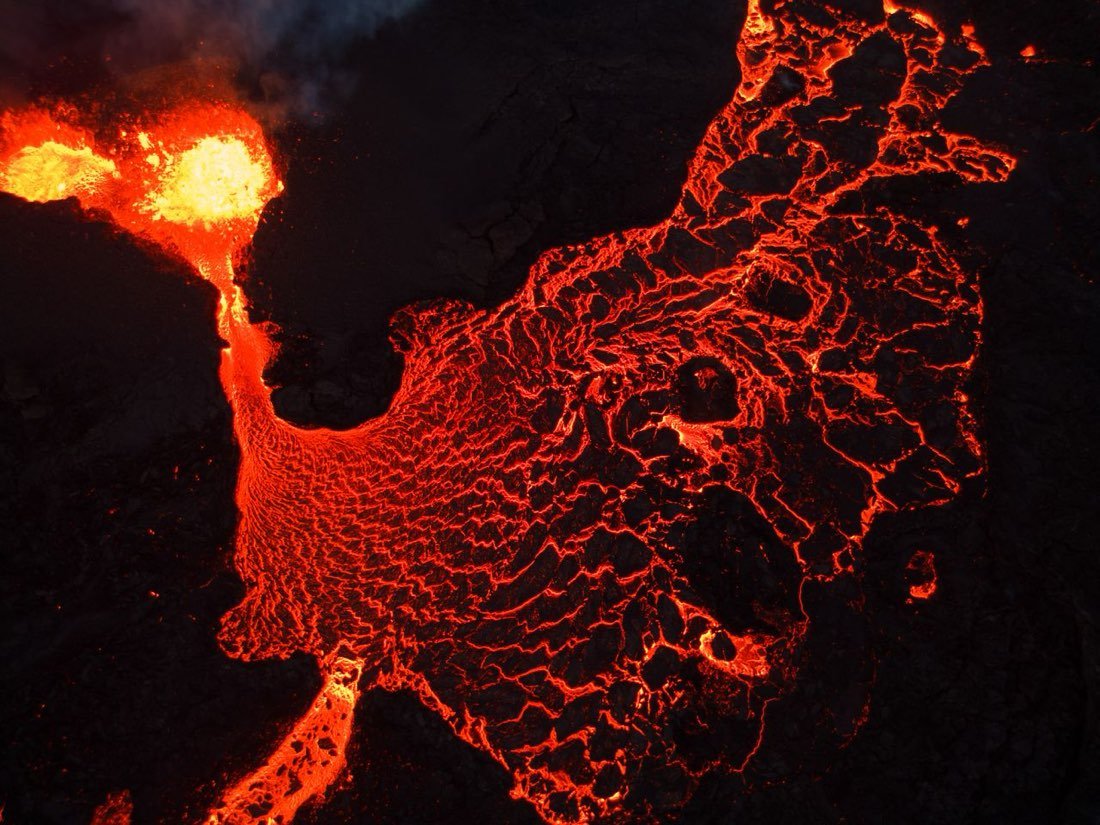
The Lava Show is the closest most visitors will get to seeing molten lava at close range. Instead of travelling to an eruption site, you sit in a small theatre while the team melts volcanic rock in a furnace and pours it into the room. It began in Vík on the south coast and now has a second venue in Reykjavík. Of the four attractions in this series, it is the one that surprises people most.
At a Glance
| Location | Reykjavík harbour area (Grandi); a second venue is in Vík |
| Show length | About 40 minutes |
| Lava temperature | About 1,100°C |
| Ticket price | From about €50 on Tiqets as of 2026; Classic adult ISK 5,900 on older official figures |
| Best for | Families, rainy days, anyone who has not seen an eruption |
What Happens in the Show
The show starts with a short talk on Iceland’s volcanic systems, then the molten rock is released into the room. Visitors sit on tiered seating a few metres from the flow. You see the colour of the lava change from white-orange to red as it cools, and you feel the heat before you see the glow dim. The team explains how the Katla, Hekla and Reykjanes systems differ, and which eruptions the rock in the furnace came from.
At the end the lava is allowed to cool and develop a crust, and the guide explains how the same process builds the lava fields you drive across, such as those in our volcano guide. The presentation is in English, with the talks kept short and visual.
Classic or Premium
The Classic ticket is the standard entry. A Premium option adds extras such as touching cooled lava and a drink in a separate seating area, and costs more. For most visitors the Classic is enough, since the pour itself is the same. If you are travelling with a small child, note that the older ticket price list had a reduced rate for under-12s.
Tickets and Booking
The Reykjavík show runs on timed slots through the day, and the evening sessions sell out first in summer. Tiqets lists both the Reykjavík and Vík venues, with entry from roughly $50 to $55 in autumn 2026. Confirm which venue you are booking, since the two have separate listings. Our Tiqets guide explains how mobile tickets work.
Arrive 10 to 15 minutes before your slot. Latecomers may be asked to wait for the next show, because the pour cannot be paused.
Is It Worth It?
We think it is worth it if you have limited time, if you travel with children, or if your visit falls in a season without eruptions. It is a sensible wet-weather activity and works as a first-night stop after landing at Keflavík. If you are visiting an active eruption site on a guided trip, the show adds little, though it still explains the geology well.
It is a short, loud and hot experience. Wear light layers, as the room warms up. The seating is close to the flow, and you are asked to follow the staff’s safety instructions throughout.
Tips for Visiting
- Book the earliest slot you can if you want a quieter room, since daytime shows in winter are less busy.
- Keep phone use to a minimum during the pour. The glow is bright enough that photos work well, but the staff may ask you to stay seated.
- The venue is step-free as far as we know, but ask the operator about wheelchair access when booking.
- If you have a Reykjavík attractions plan, put the show first, as the heat and the story of the eruptions give context for everything else.
How It Fits with Other Reykjavík Sights
The harbour area is a good half-day base. Whale-watching boats and the maritime museum are nearby, and the old harbour restaurants are a short walk. A suggested plan: lava show in the morning, a whale-watching tour after lunch, and dinner on the harbour. For indoor exhibitions on volcanoes and glaciers, add the Perlan museum, and for a view, the Hallgrímskirkja tower.
Going to Vík Instead
If you are driving the south coast, the Vík venue sits right in the village, close to Reynisfjara black sand beach. It is about 188 km from Reykjavík, so we would not make the trip just for the show. Combine it with a South Coast tour or a self-drive, and see our Reynisfjara guide.