Raufarhólshellir is one of the longest lava tubes in Iceland, and it sits closer to Reykjavík than the better-known caves of the south. A lava tube forms when the outer surface of a lava flow cools and hardens while molten rock keeps moving underneath. When the eruption ends and the lava drains away, the hollow tunnel is what remains. Visiting one is the easiest way to see the inside of a volcanic eruption without going near an active one.
At a Glance
| Location | Near Route 39 (Þrengslavegur), about 30-40 minutes from Reykjavík |
| Length | About 1,360 m |
| Age | Around 5,200 years |
| Standard tour | About 1 hour |
| Price | From about $63 per adult as of 2026; around $127 with a Reykjavík transfer |
| Temperature inside | A few degrees above freezing year-round |
What You Will See
The tunnel has high ceilings and a floor of cooled lava, with walls streaked in red, orange and yellow from different minerals in the rock. Guides explain how the tube formed and how the lava flowed, and point out lava stalactites on the ceiling and ropey flow patterns on the floor. On standard tours you walk along built paths with lighting. On the longer adventure tours you leave the paths and go into the deeper parts of the tube.
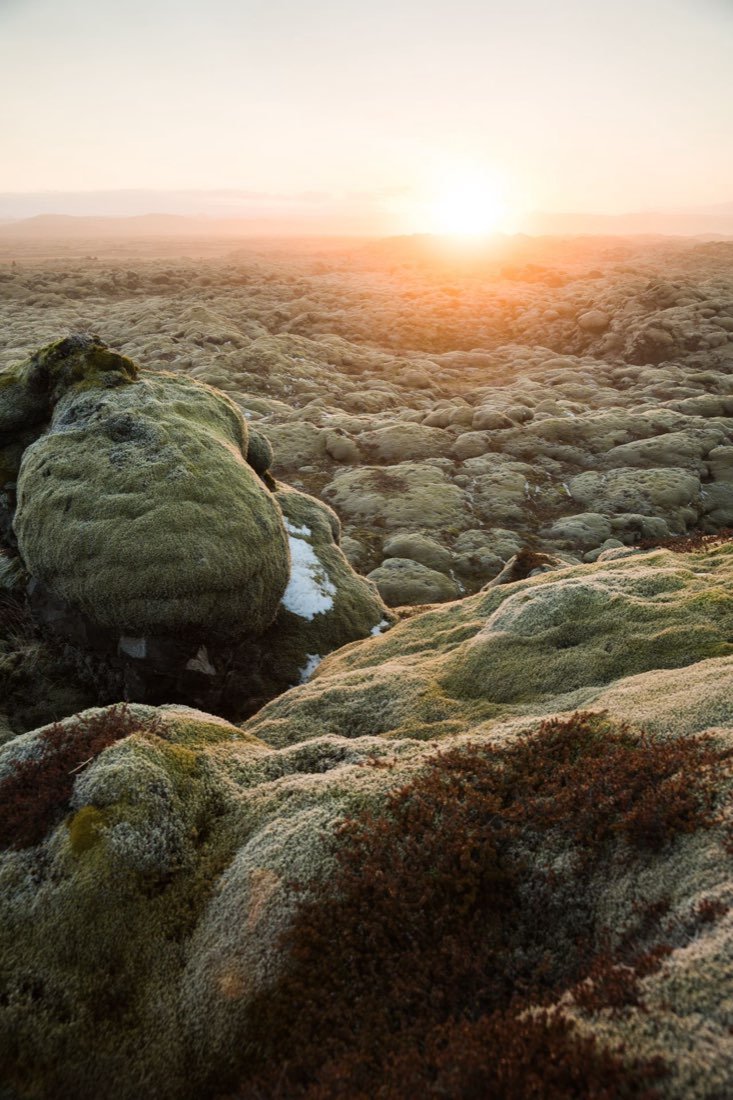
The setting is part of the appeal. The area is a lava field covered in thick moss, like those on the Reykjanes peninsula, and the surface above the tunnel looks like any other flat plain. The entrance is an opening collapsed from the roof, which is why the tube is accessible at all.
Which Tour to Book
- Standard tour (about 1 hour): the best choice for most visitors. Paths, lighting and a guide; suitable for most ages and fitness levels.
- Lava Falls adventure (about 3 hours): a longer, more physical tour with more climbing over lava, and priced at several times the standard tour.
- Tour with Reykjavík transfer: useful if you do not have a car. The listed price covers the entry and the coach round trip from the city.
Tours run through the year and fill quickly in summer, so book ahead. We found no Tiqets listing for the tunnel when we checked, so look at guided tours in Iceland or the operator’s own site, and confirm the entry slot and meeting point before you go.
Getting There
By car, the tunnel is easy to combine with a day on the south coast or the Golden Circle. Take Route 1 out of the city towards Hveragerði, then turn onto Route 39 (Þrengslavegur) and follow the signs. If you do not drive, a transfer tour is the simplest option, since public transport to the area is limited. For a rental, see our car rental guide or compare prices on car hire. Allow a full half-day including the drive.
Combining with Other Stops
A short route from Reykjavík that works well in a day: lava tunnel in the morning, then on to Hveragerði for the geothermal area and the town’s greenhouses, then lunch, and either back to Reykjavík or on to the South Coast waterfalls. A South Coast tour is a good option if you want someone else to drive. Another pairing is a morning at the tunnel and an afternoon at the Sky Lagoon back in the capital.
Practical Tips
- Wear warm layers even in summer. The tunnel is cold and damp.
- Shoes with grip matter more than anything else. Sandals are not allowed.
- Photography is allowed, but low light means a phone with night mode works better than a flash.
- The tour is not suitable for visitors with mobility difficulties, since the floor is uneven.
- Children are welcome on the standard tour, though the operator may set a minimum age. Check when booking.
- Weather rarely affects the tour itself, but road conditions on Route 39 in winter can.
How It Compares
If you want something closer to Reykjavík, a lava tunnel is a good indoor option on a wet day. If you want ice, see our ice caves guide, which covers the natural caves in winter. For an indoor model of a volcano, the Lava Show and the Perlan museum are both in town.