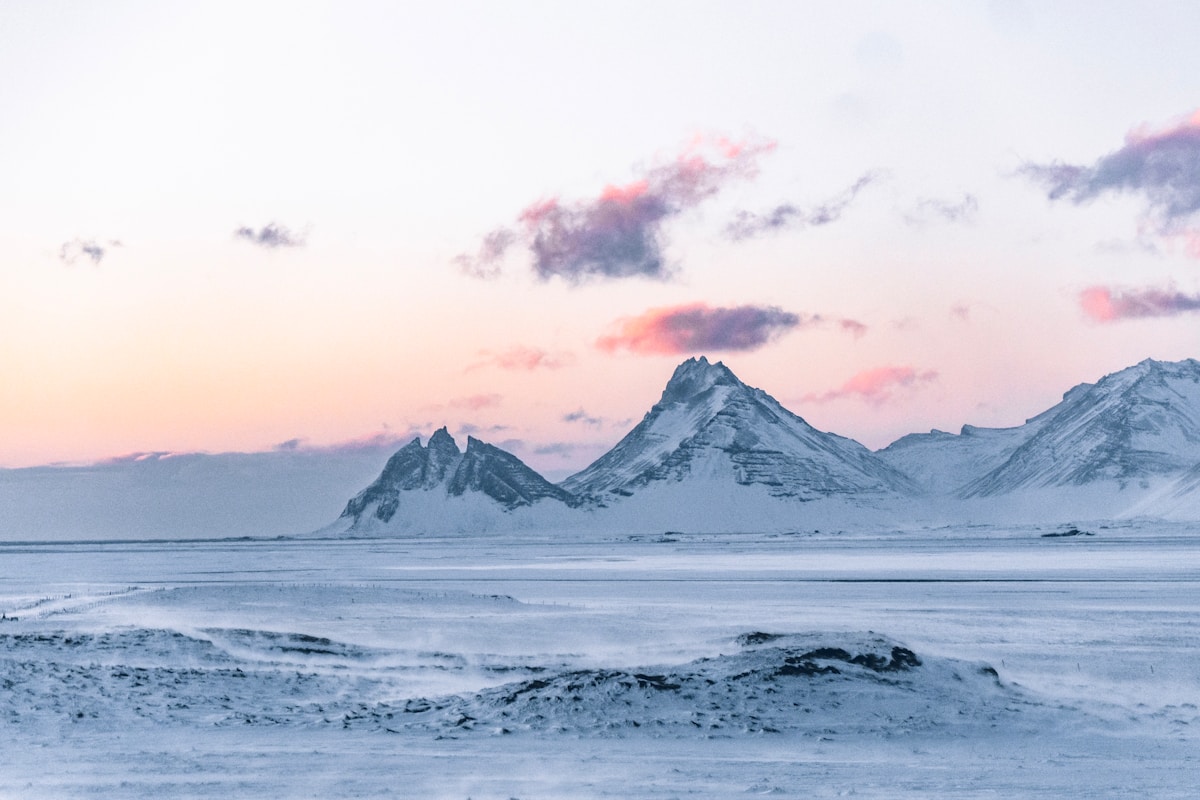
Iceland in winter offers something genuinely different from the summer experience: the Northern Lights, ice caves accessible inside Vatnajökull glacier, the austere beauty of a snow-covered landscape, and dramatically fewer crowds. The short days and variable weather require planning - but for those who come prepared, winter is one of the most rewarding times to visit Iceland.
Winter Conditions Overview
Daylight: Shortest in December (approximately 5 hours). By late January/early February, days are noticeably longer.
Temperatures: Reykjavík averages -1°C to +4°C November–February. Colder in the interior and North Iceland. Wind chill is significant.
Roads: Ring Road generally open. F-roads and highland routes closed November–May. Mountain passes can close temporarily after snowfall.
What’s closed: Highland access (Landmannalaugar, Þórsmörk by road), some guesthouses and restaurants in rural areas.
What’s only available in winter: Northern Lights, ice caves, Akureyri Christmas lights, ski season at Hlíðarfjall.
Suggested 7-Day Winter Itinerary
Day 1: Arrive Reykjavík
Airport to Reykjavík. Optional Reykjanes Peninsula stop: Gunnuhver mud pools (year-round access) and Blue Lagoon (check volcanic conditions at bluelagoon.com and pre-book).
Evening: Reykjavík Old Harbour, warm up at a restaurant. Northern Lights alert set up (vedur.is, Space Weather app).
Day 2: Reykjavík City + Northern Lights
Morning: Perlan museum (ISK 4,490) for the simulated Northern Lights show and ice cave tunnel. National Museum.
Evening: Northern Lights tour (ISK 9,900–15,900) if forecast looks good (KP3+, clear skies). Most tours depart 9–10pm.
Day 3: Golden Circle (Winter)
The Golden Circle is fully accessible in winter, though ice on paths requires care. Þingvellir - the rift valley under snow. Geysir - Strokkur erupting in cold air creates dramatic steam. Gullfoss - iced waterfalls with ice formations on the canyon walls.
Allow an extra hour compared to summer for slower driving.
Day 4: South Coast to Vík
Route 1 south coast. Seljalandsfoss (behind-the-falls path can be icy - crampons available to hire at the car park, ISK 1,500 approximately). Skógafoss in winter light. Reynisfjara in winter (sneaker waves are if anything more dangerous in winter conditions - stay well back).
Overnight Vík.
Day 5: Ice Caves and Jökulsárlón
Drive to Jökulsárlón (190km east of Vík). The glacier lagoon in winter is spectacular - fewer boat tours running but the walk along the shore in cold air with icebergs is extraordinary.
Ice cave tour: Crystal Cave or similar inside Vatnajökull glacier. Tours depart from near Jökulsárlón. Approximately ISK 14,900–19,900 adult as of 2026. Book weeks ahead in winter - these tours are popular and have limited spots.
Overnight Höfn.
Day 6: Return via South Coast
Drive back west on Route 1. Different light conditions in the afternoon. Stop at Skaftafell for a winter glacier walk (available year-round from ISK 10,500). Optional Night Photography stop along the coast.
Evening Northern Lights: Any dark location on the South Coast - pull over safely, turn off headlights, and scan the sky if the forecast looks good.
Overnight near Vík or continue to Reykjavík.
Day 7: Depart
Return to Reykjavík. Blue Lagoon on the way to Keflavík if pre-booked (ISK 9,990+).
Ice Cave Booking
Crystal Ice Cave (Vatnajökull): Operated by Local Guide / Guide to Iceland from the Jökulsárlón area. Tours approximately ISK 14,900–19,900 adult. Book at guidetoiceland.is.
Katla Ice Cave (Mýrdalsjökull, near Vík): Accessible year-round but most dramatic in winter. Tours from Vík approximately ISK 12,900–15,900.
Winter Driving Tips
A car is essential for winter Iceland beyond Reykjavík. Hire a car in Iceland with winter tyres confirmed - all rental cars are required to have them fitted November 1 through April 15.
- Check road.is every morning before driving - conditions change overnight
- Winter tyres are fitted to all Icelandic rental cars November 1 - verify before pickup
- Slow down in snow and ice - the speed limits are for dry conditions
- Keep fuel above half a tank - fewer stations and longer gaps in remote areas
- Tell someone your route each day
- Headlights on at all times (required by law in Iceland)
- If you get stuck: call 112 for emergency services
Budget for 7 Days in Iceland (Winter)
Winter travel in Iceland can be slightly cheaper than summer for accommodation - some guesthouses lower rates outside peak season - but activity costs (ice cave tours, Northern Lights tours) add up.
| Category | Budget | Mid-Range |
|---|---|---|
| Accommodation (6 nights) | ISK 42,000 (hostel/guesthouse) | ISK 165,000 (hotel) |
| Car hire + fuel (6 days) | ISK 55,000 | ISK 82,000 |
| Activities (ice cave, aurora tour, Golden Circle) | ISK 35,000 | ISK 70,000 |
| Food | ISK 28,000 | ISK 65,000 |
| Total | ~ISK 160,000 | ~ISK 382,000 |
All prices approximate as of 2026. Exclude international flights. A 4WD rental is strongly recommended for winter travel outside Reykjavík - budget for the upgrade.
If you’re finalising this itinerary close to departure, check our last-minute Iceland tours page - aurora tours and ice cave slots frequently open up from cancellations, especially mid-week.
Related Guides
- Northern lights tours from Reykjavík - The full guide to aurora tours: bus, super jeep, boat, and photography options
- Ice caves in Iceland - Natural ice cave tours from the Jökulsárlón area - winter only
- Iceland winter driving - Road conditions, what to expect, and how to stay safe
- Iceland in January - The quietest and most aurora-rich month in detail
- 7 days in Iceland - The summer counterpart: same route with different activities
Book Your Trip
Flights — search and compare on Aviasales · flights guide eSIM — stay connected with Airalo · eSIM guide Travel insurance — get covered with EKTA · insurance guide Airport transfers — book with Kiwitaxi · airport guide Car rental — compare with GetRentaCar · car hire guide Tours and activities — browse GetYourGuide