For a full year overview, see our best time to visit Iceland guide.
January is Iceland’s quietest month for tourists and one of the best for Northern Lights and ice caves. Crowds are thin, accommodation costs drop significantly from peak summer rates, and the long winter nights give you the most aurora opportunities of the year. The trade-off: only around 5 hours of usable daylight, icy roads, and limited access to highland areas.
Sub-Zero Temperatures and Just 5 Hours of Daylight in Reykjavík
| Region | Avg High | Avg Low | Daylight | Notes |
|---|---|---|---|---|
| Reykjavík | 1 to 3°C | -3 to 0°C | ~5 hrs | Rain and sleet common; wind chill makes it feel colder |
| Akureyri | -2 to 1°C | -8 to -3°C | ~4 hrs | Colder and drier; snowfall heavier than the south |
| South Coast | 1 to 3°C | -2 to 1°C | ~5 hrs | Coastal wind; Vík area often hits 100+ km/h gusts |
| East (Egilsstaðir) | -2 to 2°C | -7 to -2°C | ~5 hrs | Most continental; heavy snow possible inland |
Approximate averages as of 2026. Iceland’s weather is highly variable - check vedur.is for current forecasts.
Vatnajökull Blue Ice Caves and Hlíðarfjall Ski Season in Akureyri
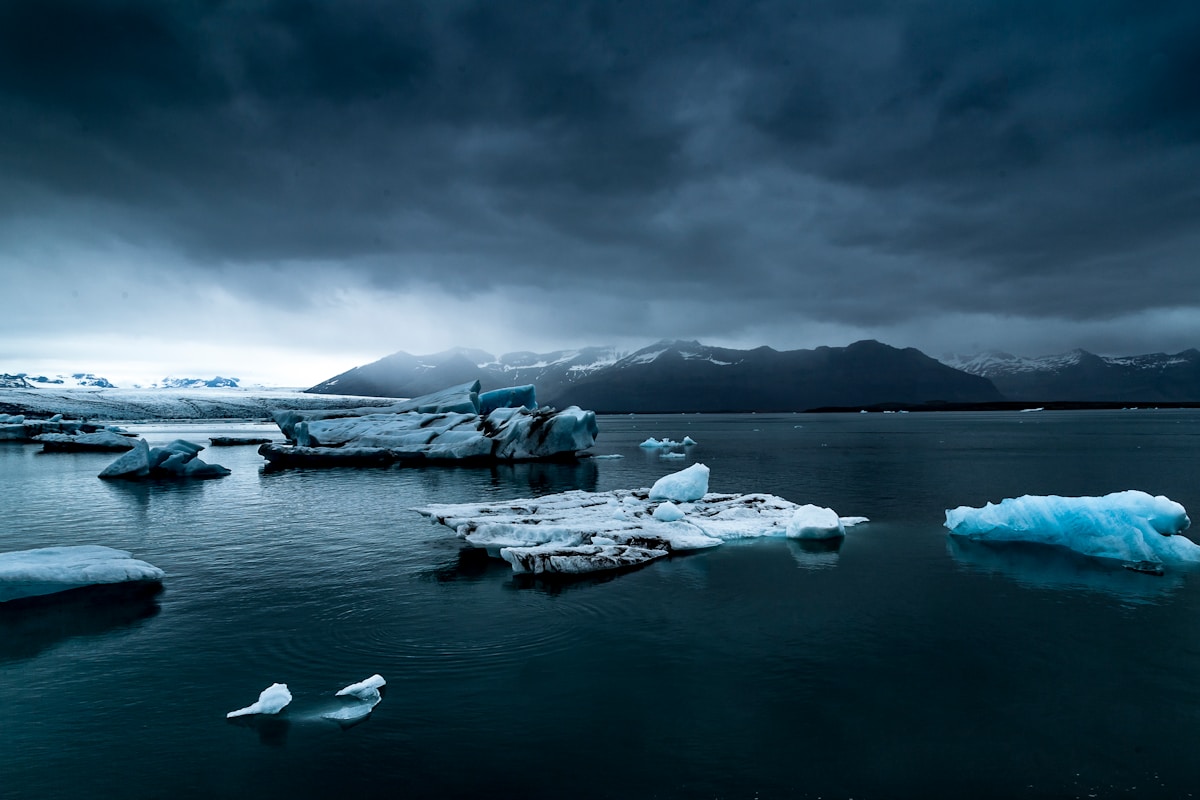
Ice caves are in prime condition January through February, when winter temperatures stabilise the glacial ice. The Vatnajökull blue ice caves are only accessible with a certified guide - tours operate from Jökulsárlón glacier lagoon. Arctic Adventures and Local Guide of Vatnajökull both run guided cave tours from approximately ISK 14,000 to ISK 18,000 per person as of 2026; book well ahead as spaces fill within days of release.
Whale watching from Reykjavík operates in January with smaller vessels - expect humpbacks and minkes on clear days. Elding runs daily departures from Reykjavik Old Harbour (Ægisgarður pier) at approximately ISK 12,900 per adult as of 2026. Success rates are lower than summer but trips still run when conditions allow.
Skiing at Hlíðarfjall above Akureyri typically has the season’s best snow in January. Day passes run from approximately ISK 8,500 as of 2026; rental gear available on-site. The slope is a 10-minute drive from central Akureyri.
Þorrablót Midwinter Feast: Hákarl, Hangikjöt, and Community Halls
Þorrablót - Iceland’s traditional midwinter feast begins on the first day of Þorri (usually the third Friday of January). Community halls (félagsheimili) around the country host evenings with traditional foods including fermented shark (hákarl), cured lamb (hangikjöt), and sheep’s head (svið). Tickets are sold through local clubs and associations - prices vary but expect approximately ISK 5,000 to ISK 8,000 per person. It runs through February.
Reykjavik New Year recovery - early January still has the festive atmosphere from New Year’s Eve, Iceland’s biggest celebration. Restaurants and bars are busy the first week.
Hotel Rangá Dark Skies and Reykjavík at Off-Season Rates
Reykjavík: Hotel Borg on Pósthússtræti is a well-located 4-star option; rates drop to approximately ISK 25,000 to ISK 35,000 per night in January compared to summer peaks as of 2026. Kex Hostel (Skúlagata) is a reliable budget option from approximately ISK 5,500 per dorm bed.
South Coast: Hotel Rangá near Hella sits under some of the darkest skies in southwest Iceland - popular for Northern Lights watches from the terrace. From approximately ISK 45,000 per night in low season as of 2026.
Akureyri: Icelandair Hotel Akureyri (Þingvallastræti) is the most central option, from approximately ISK 20,000 per night in January as of 2026.
Sægreifinn Lobster Soup and Messinn Pan-Fried Fish in Reykjavík
In Reykjavík, Sægreifinn (The Sea Baron, Geirsgata 8) serves the city’s best lobster soup for approximately ISK 2,200 as of 2026 - unpretentious, filling, and genuinely worth it. For a full dinner, Messinn (Lækjargata 6b) does excellent pan-fried fish and langoustine from approximately ISK 5,000 for mains.
In Akureyri, Strikið (Skíðaból 14) has the town’s best elevated dining with rooftop views; mains from approximately ISK 4,500 as of 2026.
Prime Aurora Window: 18–19 Hours of Darkness Per Day
Prime season. Approximately 18–19 hours of darkness per day in Reykjavík means many viewing windows per night. You need clear skies and KP3 or above - check vedur.is aurora forecast for both. January cloud cover in Reykjavík averages around 75%, so flexibility to drive toward clearer skies (often the north or east) significantly improves chances.
Most tour operators offer Northern Lights bus tours with a resail guarantee - if no aurora is spotted, you get a free second tour. Arctic Adventures (arcticadventures.is) and Reykjavik Excursions both run nightly departures from BSÍ bus terminal, from approximately ISK 9,900 per adult as of 2026.
January Road Conditions: F-Roads Closed, Ring Road Icy
Check road.is before every drive. Key January notes:
- Highland F-roads: Closed until at least mid-May
- Mountain passes: Frequent temporary closures after snowfall
- Winter tyres: Mandatory November 1–April 15 (all rental cars are fitted)
- Ring Road (Route 1): Plowed and open; slow down on icy sections east of Vík
- Driving in darkness is common - headlights on at all times
What to Pack for January in Iceland
- Heavy waterproof jacket and trousers - not just a raincoat
- Thermal base layers (merino wool preferred)
- Fleece mid-layer
- Insulated down jacket
- Waterproof gloves and warm hat covering ears
- Neck gaiter or balaclava for wind exposure
- Wool socks, waterproof ankle boots or higher
- Microspikes (YakTrax or similar) for icy pavements - genuinely useful in Reykjavik city centre
- Sunscreen for glacier or snow days despite low temperatures
Browse Iceland tours - day trips, activity bookings, and multi-day packages across the country in one place.
Compare car hire in Iceland - a 4WD or campervan gives the flexibility to explore at your own pace.
Get travel insurance for Iceland - policies covering glacier hikes, F-road driving, and volcanic disruption.
Related Guides
- Northern lights in Iceland - Full guide to Northern Lights viewing, forecasts, and best locations
- Northern lights tours from Reykjavík - Guided tours with free rebooking if clouds obscure the aurora
- Iceland winter itinerary - A complete winter trip plan from Reykjavík through the south and north
- Iceland winter driving guide - Road conditions, ice, and what to expect driving in January
- Ice caves in Iceland - January is peak season for crystal ice caves in Vatnajökull
Plan Your Trip
January is Iceland’s quietest month, with off-season hotel rates and the year’s best Northern Lights odds. Base yourself in Reykjavík for the first few nights, then head south to Hotel Rangá near Hella — it sits under dark skies and runs aurora wake-up calls. Book Vatnajökull ice cave tours the moment they appear online; January slots sell out within days of release. If you’re heading to Akureyri for Hlíðarfjall skiing, fly domestic rather than drive the icy Ring Road north. Winter tyres are mandatory and already fitted on all rental cars. Build in a flexible day — January cloud cover often means rescheduling Northern Lights tours once or twice before you get a clear window.
✈️ Book your flights to Iceland 🛡️ Get travel insurance 📱 Stay connected with an eSIM 🚗 Rent a car