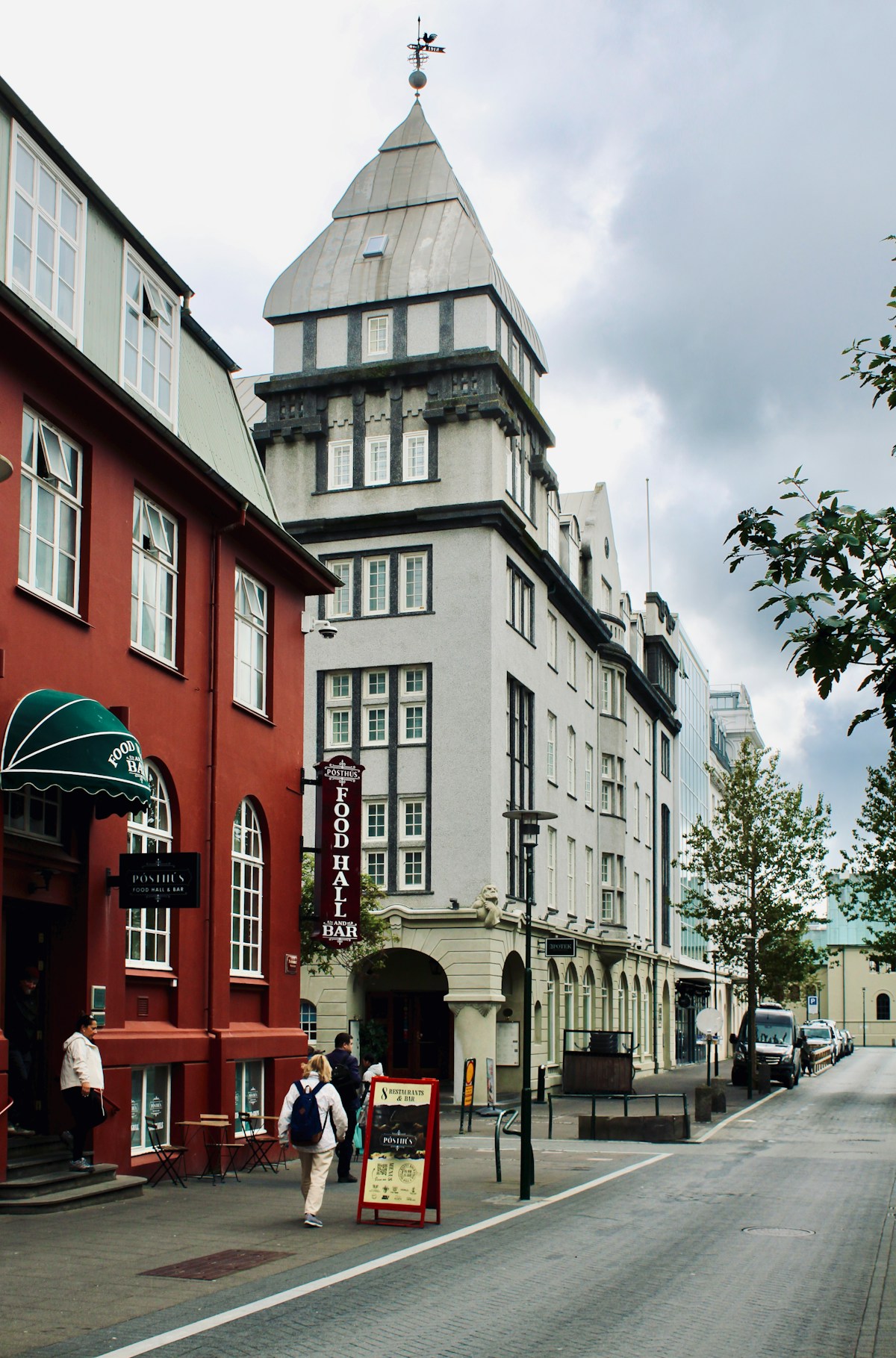
Iceland regularly ranks among the most expensive countries in Europe for travellers. Restaurants in Reykjavík can cost twice what you’d pay in Oslo or Copenhagen. But the country’s supermarket chains tell a different story - and knowing which ones to use, when they’re open, and what to actually buy can cut your daily food spend by 40–60%.
This guide covers every major chain, prices as of 2026, what to buy, what to skip, and how to plan a practical self-catering strategy whether you’re in Reykjavík or driving the Ring Road.
The Main Supermarket Chains
Bónus - The Cheapest Option
The pink pig logo is the most important symbol for budget travellers in Iceland. Bónus is a discount supermarket with prices consistently 15–25% below the mid-range chains. If cost is your priority, Bónus should be your default stop.
What Bónus does well: staples - bread, pasta, rice, tinned goods, dairy, eggs, frozen food, skyr. Own-brand products are noticeably cheaper than branded equivalents.
The catch: opening hours. Bónus keeps restricted hours compared to other chains. Most branches open around 11:00–13:00 on weekdays and close by 18:30–19:00. Saturday hours run approximately 10:00–18:00 and Sunday 12:00–18:00. If you arrive after 19:00 planning to cook, you may find Bónus shut. Plan shopping trips for the afternoon.
Reykjavík locations: Hallveigarstígur (city centre), Lágmúli (east side), Mjódd (south), Grafarvogur (north). The Laugavegur branch near the main shopping street is most convenient for central-stay visitors.
Outside Reykjavík: Bónus has branches in Akureyri, Selfoss, Keflavík, Ísafjörður, Egilsstaðir, and Höfn. If your itinerary passes through any of these towns, stock up there rather than relying on smaller rural shops.
Krónan - Mid-Range with Better Hours
Krónan is a solid mid-range supermarket. Prices are higher than Bónus but the range is broader, the fresh produce section is better, and - critically - the hours are more forgiving, with some branches open until 22:00.
Krónan stocks a wider selection of fresh meat, deli items, and international products. If you’re looking for specific ingredients or want a better fresh vegetable selection, Krónan is the better choice. Their own-brand range is decent value.
Best use case: evening shopping when Bónus is already shut, or when you want fresh items that Bónus doesn’t carry well.
Reykjavík locations: Kringlan shopping centre, Skeifan, Grandi (near Harpa), and several suburban branches.
Nettó - Budget Competitor to Bónus
Nettó is another discount chain (owned by the same group as Bónus) with comparable prices and slightly longer opening hours in some locations. If there’s a Nettó nearer to your accommodation than the nearest Bónus, it’s an equally good choice for budget shopping.
The range overlaps heavily with Bónus. Nettó tends to have a slightly better produce section and often stays open until 20:00 or 21:00 on weekdays.
Hagkaup - Upmarket, Avoid for Budget Shopping
Hagkaup is Iceland’s upmarket supermarket chain, positioned similarly to Marks & Spencer Food in the UK or Whole Foods in the US. The range is excellent - imported cheeses, prepared meals, fresh sushi, international deli items - but prices are substantially higher than Bónus or Krónan.
When Hagkaup makes sense: if you need specific international ingredients, gluten-free products, or want prepared ready-meals and don’t want to cook. Hagkaup’s prepared food counters are genuinely good.
Don’t use Hagkaup as your main shop. A basket that costs ISK 8,000 at Bónus can easily reach ISK 14,000–16,000 at Hagkaup.
Locations: Kringlan mall and Garðabær (south Reykjavík area). No rural presence.
10-11 - Convenience Stores (Emergency Use Only)
Iceland’s 10-11 convenience stores are the fallback when everything else is shut. They’re open late - some 24 hours - and are found throughout Reykjavík. However, prices are significantly higher than any supermarket chain. A litre of milk that costs approximately ISK 280 at Bónus may cost ISK 400–450 at 10-11. A basic sandwich runs approximately ISK 900–1,200.
Use 10-11 for urgent top-ups (snacks, drinks, forgotten items) but not as a regular shopping destination.
Outside Reykjavík: 10-11 stores are found in most towns along the Ring Road, making them genuinely useful on long driving days when you need to grab something quickly.
Vínbúðin - Alcohol Only
Iceland has a government alcohol monopoly. The only place to buy beer, wine, and spirits is Vínbúðin (The Wine Store), operated by the state. Supermarkets - including Bónus - do not sell any alcohol.
Reykjavík: Multiple branches including Austurstræti (city centre) and Kringlan. Hours vary but most close between 18:00 and 20:00.
Outside Reykjavík: Vínbúðin locations are limited. Akureyri, Selfoss, Ísafjörður, and Egilsstaðir each have one branch. In smaller towns and rural areas, there may be no Vínbúðin within 50–100 km. If you’re planning to drink during a Ring Road trip, buy provisions in Reykjavík before you leave.
Beer at Vínbúðin: a standard Icelandic beer (0.5L) costs approximately ISK 500–700 (around €3.50–5 / $4–5.50) as of 2026. Imported wine starts from approximately ISK 1,500–2,000 (around €10–14 / $12–16) per bottle.
Approximate Price Guide (ISK, as of 2026)
These are approximate prices based on standard supermarket shelf prices at Bónus and Krónan. Prices fluctuate and will vary between chains.
| Item | Approx. ISK | Approx. EUR | Approx. USD |
|---|---|---|---|
| Whole milk, 1L | 250–320 | €1.80–2.30 | $2–2.50 |
| Sliced bread, 500g | 350–500 | €2.50–3.50 | $2.80–4 |
| Eggs, 6-pack | 500–700 | €3.50–5 | $4–5.50 |
| Icelandic skyr, 500g | 450–600 | €3.20–4.30 | $3.60–4.80 |
| Cheddar cheese, 400g | 700–1,000 | €5–7 | $5.60–8 |
| Icelandic lamb leg | 2,500–4,500 | €18–32 | $20–36 |
| Ground beef, 400g | 700–1,000 | €5–7 | $5.60–8 |
| Chicken breast, 500g | 900–1,300 | €6.40–9.30 | $7.20–10.50 |
| Pasta, 500g | 250–400 | €1.80–2.90 | $2–3.20 |
| Rice, 1kg | 350–550 | €2.50–4 | $2.80–4.40 |
| Tomatoes, per kg | 600–1,000 | €4.30–7.20 | $4.80–8 |
| Bananas, per kg | 400–700 | €2.90–5 | $3.20–5.60 |
| Tinned beans, 400g | 200–300 | €1.40–2.20 | $1.60–2.40 |
| Bottled water, 1.5L | 200–350 | €1.40–2.50 | $1.60–2.80 |
| Beer (Vínbúðin), 0.5L | 500–700 | €3.50–5 | $4–5.50 |
| Skyr yoghurt drink | 300–450 | €2.10–3.20 | $2.40–3.60 |
Tap water in Iceland is safe to drink everywhere and is among the cleanest in the world. Buying bottled water is unnecessary and wasteful.
What to Buy vs. What to Skip
Buy These - Good Value in Iceland
Skyr is Iceland’s cultured dairy product - high in protein, low in fat, genuinely delicious. At approximately ISK 450–600 for 500g, it’s affordable by Icelandic standards and far cheaper than restaurant breakfasts. Use it as a base with fruit or granola. Also try the drinking versions (Ísey Skyr) as a post-hike recovery snack.
Icelandic lamb is world-class. The lambs graze free-range in the highlands all summer on wild herbs and moss. At approximately ISK 2,500–4,500 per kg depending on cut, it’s expensive in absolute terms - but far cheaper than ordering lamb at a Reykjavík restaurant (approximately ISK 5,500–8,000 per main course). If you have an Airbnb with a grill, a leg of Icelandic lamb is one of the trip’s genuine highlights.
Eggs and dairy are reasonably priced. Icelandic butter (Lúxus) is excellent. Fresh milk is widely available and affordable.
Bread is decent and cheap. Rugbrauð (Icelandic rye bread, often dark and dense) is a staple worth trying - approximately ISK 300–500 per loaf.
Dried pasta and tinned goods are reliably cheap and useful for campsite or Airbnb cooking.
Skip These - Eye-Wateringly Expensive
Imported fresh produce is where the sticker shock hits. A single bell pepper can cost ISK 350–600. A small punnet of strawberries may be ISK 900–1,500. The further you get from Reykjavík, the worse it gets.
Ready meals and prepared food at Hagkaup or supermarket deli counters are expensive for what you get.
Branded international products - imported cereals, branded snacks, international chocolate bars - can cost 2–3× what you’d pay at home. If you have space in your luggage, bringing preferred snacks or branded items from home is worth doing.
Outside Reykjavík: What to Expect
The further you travel from Reykjavík, the more limited your options become.
Towns with reasonable supermarket access (Bónus or Krónan): Keflavík, Selfoss, Akureyri, Egilsstaðir, Höfn, Ísafjörður, Vík (limited).
The gaps: Along large stretches of the Ring Road - particularly the East Fjords, the Westfjords, and the North between Akureyri and Egilsstaðir - towns are small and the only option may be a petrol station shop or a small local store with limited selection and high prices.
Practical strategy: plan major shop-ups at Bónus or Krónan in the last large town before a long rural stretch. If driving east from Reykjavík, stock up in Selfoss. Heading north, Akureyri is your last reliable large-supermarket stop before the far north.
Petrol station shops (N1, Orkan, Olis): Found everywhere on the Ring Road. Selection is limited - snacks, drinks, basic tinned food, bread - and prices are higher than supermarkets. They’re useful for top-ups and emergency supplies on long driving days.
Self-Catering Tips
Airbnb kitchens: Most Icelandic Airbnbs come with well-equipped kitchens. This is the single biggest lever for budget travel - even if you only self-cater breakfast and lunch, you can save ISK 5,000–9,000 per person per day versus eating out every meal.
Campervan and camping cooking: Iceland’s campsites have cooking facilities at most major sites. A basic gas camping stove is worth bringing or renting with a campervan if you’re planning to cook regularly on the road. Many campervans are equipped with a small kitchen - confirm this before booking.
Pack from home: If you have checked luggage allowance, use some of it for dry goods. Porridge oats, muesli, protein bars, instant coffee, pasta - all significantly cheaper outside Iceland. Customs allows reasonable personal food quantities for personal use.
The packed lunch strategy: Prepare your day’s lunch the night before using supermarket ingredients - skyr, fruit, cheese and bread, trail mix. Lunch at a roadside café or tourist restaurant runs approximately ISK 2,500–4,500 per person. The packed lunch alternative costs approximately ISK 800–1,500.
Budget Comparison: Eating Out vs Self-Catering
These are approximate daily food costs per person as of 2026.
| Approach | Daily Food Cost (ISK) | EUR | USD |
|---|---|---|---|
| Full restaurant (3 meals out) | 12,000–22,000 | €85–157 | $95–175 |
| Mixed (self-cater breakfast + lunch, dinner out) | 6,000–10,000 | €43–71 | $48–80 |
| Full self-catering (all meals from supermarket) | 2,500–5,000 | €18–36 | $20–40 |
| Self-catering with one café meal | 4,000–7,000 | €28–50 | $32–56 |
The “mixed” strategy - supermarket breakfasts and lunches, one dinner out per day - hits the sweet spot for most travellers. You still get to experience Icelandic restaurants (which at their best are genuinely excellent) without spending ISK 6,000 on every meal.
Iceland’s food costs are real, but they’re manageable. A Bónus run, a bag of skyr, a good loaf of rugbrauð, and some Icelandic lamb for the Airbnb grill - that’s not roughing it. That’s eating well for a fraction of what restaurants charge.
Compare car hire in Iceland - a 4WD or campervan gives the flexibility to explore at your own pace.
Get travel insurance for Iceland - policies covering glacier hikes, F-road driving, and volcanic disruption.
Pick up an Iceland eSIM before you travel - works on arrival and covers most of the Ring Road.
Related Guides
- Iceland budget guide - Full cost breakdown including food, transport, accommodation, and activities
- Icelandic food guide - What to try beyond the supermarket: traditional Icelandic food culture
- Iceland campervan guide - Self-catering is the biggest campervan cost saver
- First time in Iceland - Full practical overview including money-saving tips
Plan Your Trip
✈️ Book your flights to Iceland 🛡️ Get travel insurance 📱 Stay connected with an eSIM 🚗 Rent a car