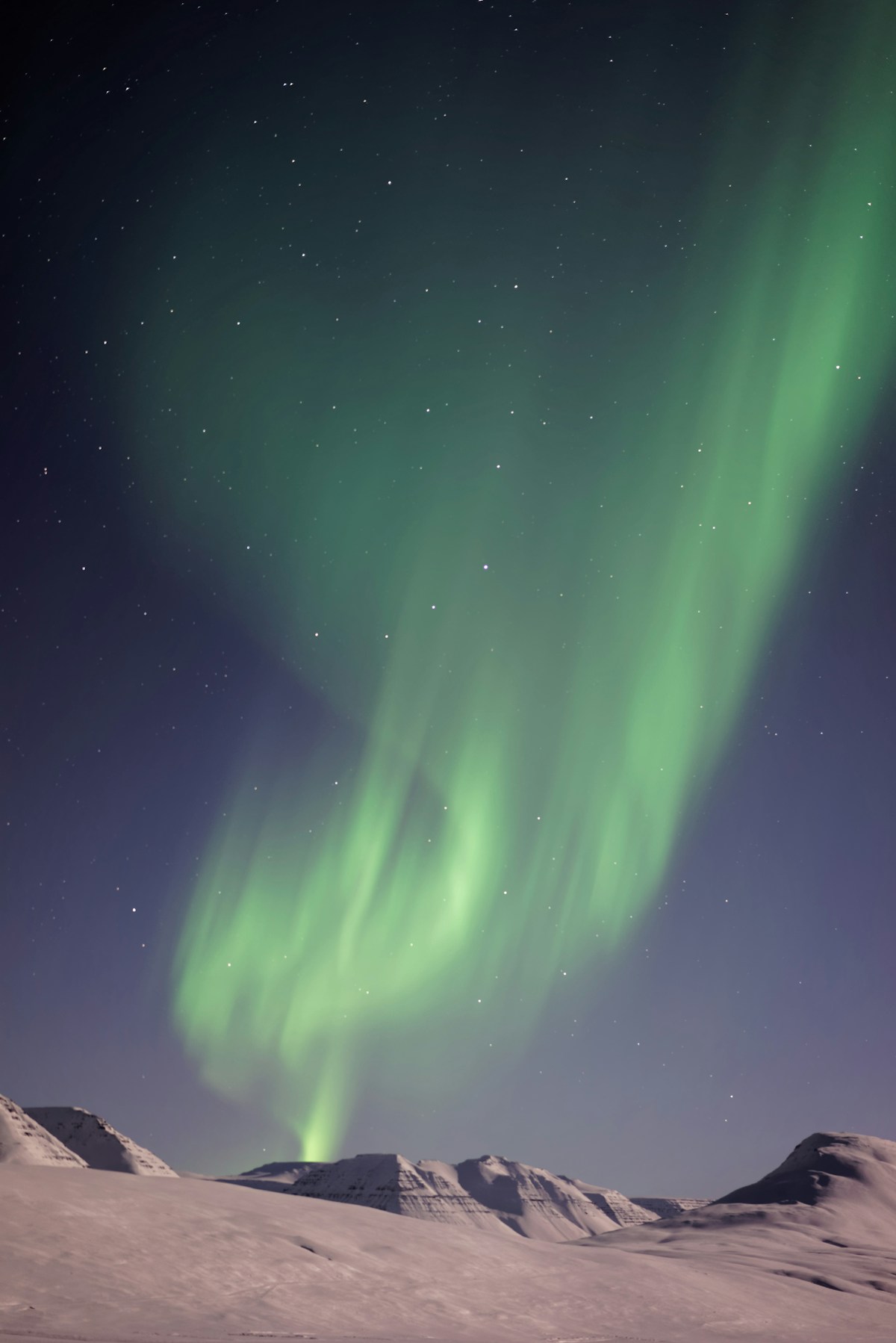
October is one of Iceland’s most underrated months. Crowds are thin - far fewer tourists than summer - prices fall significantly, and the Northern Lights reach their most reliable visibility window as dark nights lengthen. The trade-off is shorter days, higher chance of storms, and the closure of highland routes. For travellers flexible about weather, October often delivers excellent value and memorable conditions.
Atlantic Storms and First Highland Snow: Days Down to 8.5 Hours
| Region | Avg High | Avg Low | Notes |
|---|---|---|---|
| Reykjavík | 4 to 8°C | -1 to 3°C | Atlantic storms more frequent |
| Akureyri | 2 to 6°C | -2 to 1°C | Colder and drier than the south |
| South Coast | 4 to 8°C | 0 to 3°C | Wind and rain common |
| East Fjords | 3 to 7°C | -1 to 2°C | Often colder; variable |
| Highlands | 0 to 3°C | -5 to -1°C | Snow certain; most roads closed |
Approximate averages. Iceland’s weather is highly variable - check vedur.is before each drive.
October storms can be significant, particularly in the south and west. However, Iceland in October also produces some of its most dramatic clear days - crisp air, low golden light, and a quiet landscape are the reward for tolerating unpredictable conditions. Build flexibility into any itinerary.
October Daylight: Sunset by 17:30 Means Long Aurora Windows Each Night
| Early October | Mid-October | Late October |
|---|---|---|
| ~11 hours | ~9.5 hours | ~8.5 hours |
Days shorten noticeably through October. By late October, Reykjavík sees sunset around 17:30–18:00, meaning viable Northern Lights windows from around 18:00 onwards on clear nights.
Excellent Aurora Conditions and Glacier Walks Without Summer Crowds
Northern Lights
October is excellent for Northern Lights. The nights are genuinely dark (unlike late August and September, which still have some residual light in the northern sky), solar activity in the current solar cycle remains strong, and the weather hasn’t yet reached the worst of the winter storm pattern.
Where to see them: Self-drive along any dark road outside Reykjavík. Route 1 south toward Þingvellir, or north along the Snæfellsnes Peninsula. Northern Lights tours depart from Reykjavík on evenings with KP3+ forecasts from approximately ISK 8,900–12,500 per person (super-jeep or minibus, 3–4 hours, resail guarantee included).
Key tip: The aurora is visible in all directions - not just north. October’s good forecast periods are worth 2–3 evenings of watching.
Glacier Walks
Glacier walking is available year-round at Sólheimajökull (near Vík, accessible on the South Coast) and at Skaftafell (Vatnajökull National Park). October conditions are typically stable for glacier walks - the ice is well-formed and the worst summer crevassing has settled. Guided walks are mandatory on all glaciers.
Sólheimajökull: Arctic Adventures and Troll Expeditions run standard glacier walks from approximately ISK 9,900–13,000 per person (3 hours, equipment included). Drive to the glacier or take a guided tour from Reykjavík (including transport, from approximately ISK 14,900).
Skaftafell: Local Guide and Glacier Guides operate walks on Falljökull and Svinafellsjökull from the national park visitor centre (from approximately ISK 10,500, 3 hours). Combine with Jökulsárlón glacier lagoon on the same day - still visually dramatic in October with fewer tourists than summer.
Ice Caves (End-of-Season Preview)
The natural ice cave season inside Vatnajökull typically starts in November when the ice stabilises enough for safe entry. Some operators begin limited early-season ice cave tours in late October depending on conditions. Check with Glacier Guides, Local Guide, and Into the Glacier for current status in October. When accessible, blue ice cave tours cost approximately ISK 15,000–22,000 per person.
Reykjavík Restaurant and Cultural Scene
October is excellent for experiencing Reykjavík as a city rather than a stopover. Restaurants are easier to get into (no need to book weeks ahead), the arts and music calendar picks up after summer, and the city feels more like itself. Iceland Airwaves music festival, one of the best music festivals in Europe, typically takes place in early-to-mid November - some events happen in late October.
Scenic Driving: East Fjords and North
The East Fjords are at their most photogenic in October - low light, potentially snow on the higher peaks above the fjords, and almost no other tourists. The drive from Höfn to Egilsstaðir along the Ring Road is one of Iceland’s most underrated sections. Northern Iceland and the Akureyri area also see excellent autumn light.
October Road Conditions: Most F-Roads Closing, Icy Ring Road Sections
Check road.is before every drive. Key October notes:
- Highland F-roads: Most close by early to mid-October. Landmannalaugar closes early to mid-October; Þórsmörk typically closes by mid-to-late October. Do not attempt closed F-roads - rescue costs are high and conditions are dangerous.
- Ring Road: Open and maintained year-round. Expect icy patches on elevated sections after cold nights. Gritting vehicles are active.
- Mountain passes: Can receive significant snowfall in October. Check route conditions at road.is before crossing elevated sections in the north and east.
- Winter tyres: Mandatory from November 1, but rental cars often have winter tyres installed from October 1 for safety. Check with your rental company.
What to Pack for October in Iceland
- Waterproof jacket and trousers (mandatory - rain and wind guaranteed on most multi-day trips)
- Down or synthetic insulating jacket (genuinely cold in the evenings and on exposed coastal sections)
- Thermal base layers (top and bottom - essential for glacier walks, Northern Lights waiting, and any cold mornings)
- Hat, gloves, and a scarf (standard kit from October)
- Sturdy waterproof boots with ankle support (muddy trails, potential ice and snow)
- Microspikes (highly recommended for any walking outside settled areas - icy paths appear without warning)
- Sunscreen: glacier UV and October sun angles can still burn
Low Season Returns: 20–35% Below July, Aurora Tours Unchanged
October is low season across most of Iceland:
- Accommodation: Typically 20–35% cheaper than July and August. Some rural guesthouses and summer-only properties close; check ahead for remote areas.
- Car hire: Good availability at significantly lower prices than summer. Compact SUV from approximately ISK 7,000–12,000/day. 4WD is worth considering for the security it provides on icy roads, even if not technically required on the Ring Road.
- Tours: Most year-round operators (glacier walks, Northern Lights tours) run unchanged from summer. Some whale watching operators scale back to limited Reykjavík departures - Húsavík tours typically end by September.
October Bases: Reykjavík for Flexibility, Akureyri for Clearer Aurora Skies
Search hotels in Iceland on Booking.com
Reykjavík: Best base in October for weather flexibility - city activities available regardless of conditions. Easy day trips to the Golden Circle and South Coast. Mid-range hotels from approximately ISK 25,000–42,000.
Vík: Good base for South Coast access including Reynisfjara and Skaftafell drives. Accommodation from approximately ISK 20,000–35,000 in October.
Akureyri: Good base for North Iceland and Northern Lights. The north often has clearer skies than the south in October. Hotels from approximately ISK 22,000–36,000.
Browse Iceland tours - day trips, activity bookings, and multi-day packages across the country in one place.
Compare car hire in Iceland - a 4WD or campervan gives the flexibility to explore at your own pace.
Get travel insurance for Iceland - policies covering glacier hikes, F-road driving, and volcanic disruption.
Related Guides
- Iceland in September - The month before: shoulder season with aurora returning
- Iceland in November - The month after: ice caves begin and aurora intensifies
- Northern lights tours from Reykjavík - October aurora tours: what to expect
- Iceland winter driving - October brings the first icy roads; essential reading before you drive
- Best time to visit Iceland - Full year comparison of weather, crowds, and activities
Plan Your Trip
October gives you long aurora windows — sunset is around 17:30 by month’s end — combined with very few tourists and the year’s lowest accommodation prices outside January. Most F-roads have closed, but the Ring Road and South Coast remain fully accessible. Glacier walks on Sólheimajökull run without the summer queues; book directly with a guide rather than through aggregators for better slot availability. The Diamond Circle in the north (Dettifoss, Ásbyrgi, Húsavík, Mývatn) is uncrowded and dramatic in autumn light. Pack for winter: temperatures drop to zero and below after dark, and first snowfall can happen any week of October.
✈️ Book your flights to Iceland 🛡️ Get travel insurance 📱 Stay connected with an eSIM 🚗 Rent a car