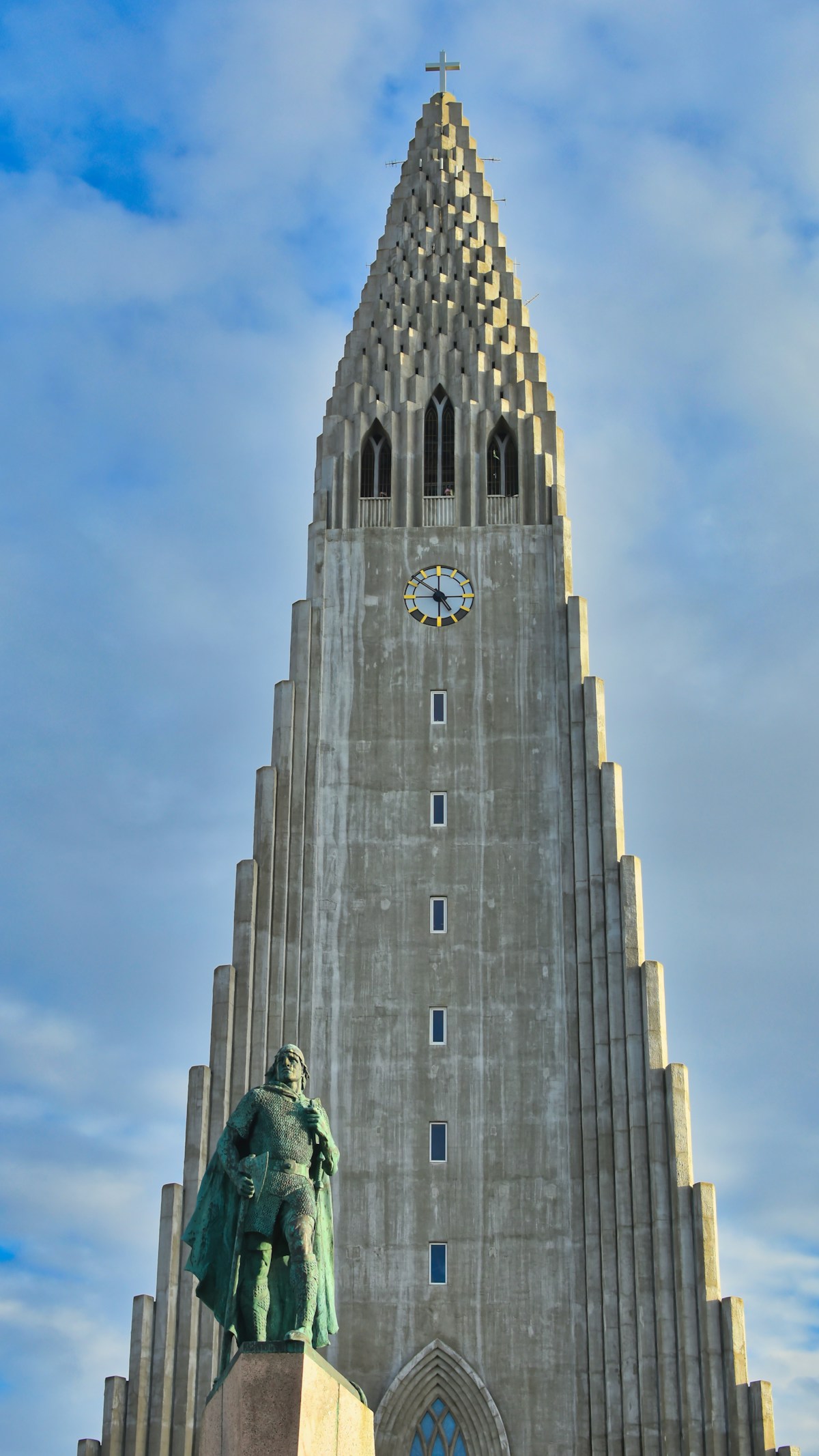
Iceland is a geologically active island in the North Atlantic, sitting on the Mid-Atlantic Ridge where the Eurasian and North American tectonic plates meet. This gives it a landscape unlike anywhere else: active volcanoes, geothermal hot springs, geysers, glaciers covering 11% of the country, and some of the most dramatic coastlines in Europe. Around 2.3 million tourists visited in 2024 - more than 6 times the population.
When to Go
Iceland is a year-round destination, but what you experience changes significantly by season.
Summer (June–August): The main tourist season. Midnight sun from mid-May to late July means up to 22 hours of daylight. All roads open, puffins in residence (May to mid-August), hiking at its best. Higher prices and more crowds. Book 2–3 months ahead.
Autumn (September–October): Northern Lights season begins. Fewer crowds, lower prices, autumn colour. Highland roads begin closing by mid-September. Good compromise between summer activities and aurora chasing.
Winter (November–March): Dark, cold, and dramatic. Northern Lights at their best. Ice caves inside Vatnajökull accessible November–March. Akureyri Christmas lights. Short daylight (approximately 5 hours in December). Road conditions require care and winter tyre regulations apply. Some rural guesthouses and restaurants close.
Spring (April–May): Shoulder season with improving weather and longer days. Northern Lights still possible until mid-April. Wildflowers and early lambing season. Some highland trails still closed.
Getting Around
A rental car is the most practical way to see Iceland beyond Reykjavík. The Ring Road (Route 1) circles the country at approximately 1,332km and is drivable year-round. Hire a car in Iceland - book several months ahead for summer, especially if you want a 4WD.
Bus services: The Strætó network covers Reykjavík well and connects major towns. The Highland Bus (Landmannalaugar, Þórsmörk, and Askja routes) operates June–September. Bus travel is slower and less flexible than a car but avoids the cost of a rental. Compare bus schedules and book with Omio.
Tours: Day tours from Reykjavík cover the Golden Circle, South Coast, Blue Lagoon, and whale watching - useful if you’re not driving. Multi-day ring road tours are available if you prefer a guided circuit.
Getting to Iceland: Keflavík International Airport (KEF), 47km southwest of Reykjavík, handles all international flights. Flybus connects the airport to Reykjavík’s BSÍ terminal (ISK 3,999 one way, 50 minutes). Taxis cost approximately ISK 14,000–16,000. Transfer by pre-booked private transfer is approximately ISK 12,000–16,000 for up to 4 people.
The Key Regions
Reykjavík and the Capital Region
Reykjavík is Iceland’s capital and home to two-thirds of the population. It functions as the gateway for nearly all arrivals and as the base for most Golden Circle and South Coast day tours. The city is compact - most of what visitors want to see (Hallgrímskirkja, the Old Harbour, Laugavegur shopping street, the major museums) is walkable within 30–40 minutes.
Allow 2 days minimum. Main sights: Hallgrímskirkja, Perlan museum, National Museum of Iceland, Old Harbour, Sky Lagoon.
The Golden Circle
The Golden Circle is a 230km loop northeast of Reykjavík taking in three of Iceland’s most visited sights: Þingvellir National Park (UNESCO World Heritage Site, tectonic plates visible), Geysir geothermal area (Strokkur erupts every 5–8 minutes), and Gullfoss waterfall. Doable as a day trip from Reykjavík by self-drive or guided tour (ISK 9,900–15,900). See our Golden Circle tours guide.
South Coast
The South Coast from Seljalandsfoss to Jökulsárlón is Iceland’s most popular drive outside Reykjavík. Key stops: Seljalandsfoss waterfall (you can walk behind it, ISK 900), Skógafoss, Sólheimasandur plane wreck, Reynisfjara black sand beach, Vík, Skaftafell, and Jökulsárlón glacier lagoon. See our South Coast tours guide.
Snæfellsnes Peninsula
Often called “Iceland in miniature,” Snæfellsnes packs glaciers, lava fields, fishing villages, and puffin cliffs into a 90km peninsula 2.5 hours from Reykjavík. The glacier at the tip (Snæfellsjökull, the setting of Jules Verne’s Journey to the Centre of the Earth) is visible on clear days from Reykjavík.
North Iceland
Akureyri (Iceland’s second city, 390km from Reykjavík) and the Lake Mývatn area are the main draws. Mývatn’s geothermal landscape rivals anything on the South Coast: mud pools, lava formations (Dimmuborgir), hot springs (Mývatn Nature Baths), and excellent birdwatching. Húsavík, 1 hour east of Akureyri, is Iceland’s whale watching capital.
The Westfjords
Iceland’s quietest and most remote region - a peninsula of dramatic fjords in the northwest, largely bypassed by the Ring Road. The bird cliffs at Látrabjarg (one of Europe’s largest seabird cliffs) and the beaches at Rauðasandur are exceptional. Getting there requires either a 5-hour drive from Reykjavík or a ferry from Stykkishólmur.
Costs
Budget per day (per person, including accommodation): ISK 25,000–40,000 (hostel dormitory, supermarket meals, free sights).
Mid-range per day: ISK 50,000–80,000 (guesthouse or hotel double, mix of restaurants and supermarket, some tours).
Rental car: ISK 12,000–30,000 per day for a basic 2WD, depending on season. 4WD models run ISK 18,000–45,000.
Activities: Most major sights (Þingvellir, Geysir, Gullfoss, waterfalls) are free or low-cost. Paid activities - whale watching (ISK 12,900), glacier walk (ISK 10,500), Sky Lagoon (ISK 9,990), Blue Lagoon (ISK 9,990+) - add up quickly. Budget ISK 15,000–30,000 for activities per person.
For a full breakdown see our Iceland budget guide.
Entry Requirements and Practicalities
Schengen membership: Iceland is in the Schengen Area. Most Western nationals visit visa-free for up to 90 days. See our Iceland visa guide for current requirements.
Currency: Icelandic Króna (ISK). Cards accepted almost universally. Cash rarely needed. As of 2026, approximately ISK 140–150 = £1, approximately ISK 100 = $1 USD.
Language: Icelandic is the official language; English is spoken widely and fluently across Iceland.
Safety: Iceland is one of the world’s safest countries. The primary safety risks are environmental - sneaker waves at Reynisfjara beach, changing mountain weather, and driving on F-roads without a 4WD. Check road.is and vedur.is daily. Register highland hiking routes at safetravel.is.
Electricity: 230V, 50Hz, Type F (Schuko) plugs. Bring an adapter from the US/UK.
Internet: Strong 4G coverage in populated areas and along most of the Ring Road. SIM cards available at Keflavík Airport (Siminn, Nova) from approximately ISK 3,500–5,000 for 10–30GB. See our Iceland eSIM guide.
Related Guides
- First time in Iceland - Key things to know before you arrive
- Iceland budget guide - Full cost breakdown by category
- Iceland car rental guide - What to rent, where to book, what insurance to take
- Best time to visit Iceland - Month-by-month breakdown of weather and conditions
- 7 days in Iceland - The essential one-week itinerary
Plan Your Trip
✈️ Book your flights to Iceland 🛡️ Get travel insurance 📱 Stay connected with an eSIM 🚗 Rent a car