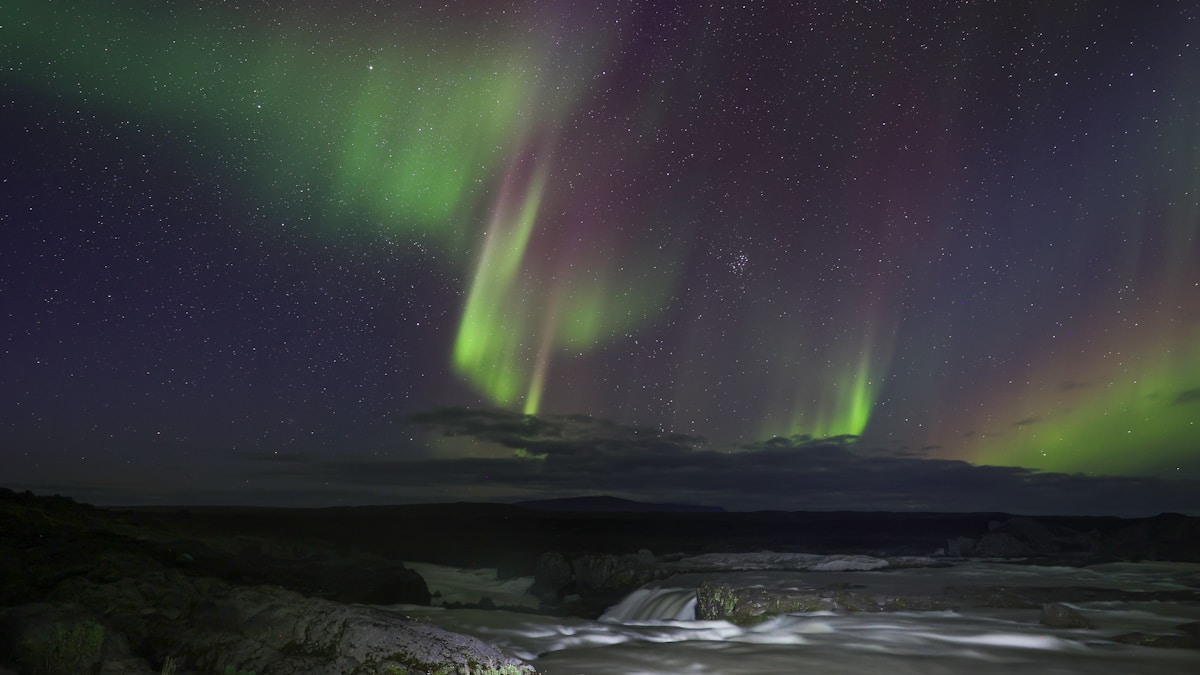
Iceland and Norway occupy different ends of the Nordic spectrum. Iceland is volcanic, raw, and geologically young - black sand beaches, active geysers, glaciers calving into the sea, and geothermal pools that steam in sub-zero temperatures. Norway is fjord country - ancient valleys carved by glaciers into Europe’s most dramatic coastal scenery, dotted with wooden villages and waterfall cascades that drop directly into the sea.
Both countries are cold, expensive, and extraordinary. Choosing between them depends on which kind of drama appeals.
Quick Verdict
| Category | Iceland | Norway |
|---|---|---|
| Cost | Higher (~USD 150–200/day budget) | Slightly lower (~USD 130–180/day budget) |
| Landscapes | Winner - volcanic, geologically unique | Fjords, mountains, coastal scenery |
| Northern Lights | Excellent - October–March | Excellent - Tromsø is world-class |
| Midnight Sun | June - 24-hour daylight | Similar - Lofoten is spectacular |
| Wildlife | Puffins, Arctic foxes, whales | Winner - reindeer, moose, whale watching |
| Road trips | Winner - Ring Road (1,332km) | Fjord route - more flexible |
| Compact itinerary | Winner - full highlights in 7–10 days | More spread out |
| Budget airline access | Good (Icelandair, Jet2) | Via Oslo or Bergen |
Climate and Best Time to Visit
Iceland is a year-round destination in the sense that every season offers something distinctly different. Summer (June–August) brings the Midnight Sun - 24-hour daylight in June, which is extraordinary but means no Northern Lights. The landscape is green, accessible, and at its most dramatic. The F-roads (highland interior tracks) open from late June to early September and require a 4WD. Winter (November–March) is cold, dark, and prime Northern Lights territory; the Ring Road remains driveable but requires caution and often snow tyres.
Shoulder seasons - May and September/October - offer good aurora chances, fewer tourists than summer, and reasonable road conditions. September is widely considered the best month to visit for a combination of scenery, access, and Northern Lights probability.
Norway is similarly year-round. Summer (June–August) is the midnight sun season and when all fjord routes and mountain trails are accessible. The Lofoten Islands - where craggy peaks drop into mirror-flat Atlantic waters - are at their most photogenic from late May to early September. Northern Lights season runs October to March, with Tromsø in North Norway offering the best-positioned base: above the Arctic Circle, with guided tours by boat and snowshoe departing nightly.
Cost Comparison
Both Iceland and Norway are expensive relative to most travel destinations - this is non-negotiable. The surprise is that Norway is marginally the better value of the two, despite its reputation.
Iceland budget travel: approximately USD 150–200 per day. This covers a hostel or guesthouse (USD 50–100), a self-catered meal, and fuel for a hire car. Restaurant meals in Reykjavik typically run USD 30–60 for a main course; the famous Blue Lagoon geothermal spa costs approximately USD 50–130+ per person depending on the package booked as of 2026 (advance booking essential). Hiring a car runs approximately USD 60–120 per day, with 4WDs more expensive.
Norway budget travel: approximately USD 130–180 per day. Bergen and Oslo are expensive city bases; smaller towns and driving through the fjords reduces costs. A main course in a restaurant runs approximately USD 25–50; a fish and chips from a harbour kiosk (Bergen’s famous fish market) around USD 15–20. Norway’s fjord ferry connections - such as the Nærøyfjord boat from Gudvangen to Flåm - run approximately USD 25–40 and are worth every krone.
Accommodation in Norway’s rural guesthouses and fjord-side cabins (hytter) can be surprisingly affordable in the off-season; peak summer commands higher prices. Both countries allow wild camping under right-of-access laws, which dramatically reduces costs for self-sufficient travellers.
Top Experiences
Iceland:
Reykjavik is the world’s northernmost capital city - a compact, walkable base with excellent restaurants, the distinctive Hallgrímskirkja church, the Harpa concert hall on the harbour, and good day-trip connections to the Golden Circle. The city is the logical starting point for most Iceland itineraries.
The Golden Circle is Iceland’s classic day trip from Reykjavik: Þingvellir National Park (where two tectonic plates meet and you can snorkel the Silfra fissure for approximately USD 100–160), the Geysir geothermal area where Strokkur erupts every 5–10 minutes, and Gullfoss waterfall. All free or low-cost to visit.
The Ring Road - Route 1, 1,332 kilometres around Iceland’s perimeter - is one of the world’s great road trips. Seven to ten days covers the highlights: Vatnajökull glacier (Europe’s largest ice cap), the Diamond Beach icebergs at Jökulsárlón, black sand Reynisfjara beach near Vík, Skaftafell canyon hikes, Dettifoss waterfall (Europe’s most powerful), and the geothermal landscape of Lake Mývatn.
The Snæfellsnes Peninsula is an Iceland in miniature - volcano, glacier, fishing villages, lava fields, and black sand beaches - accessible in a long day from Reykjavik or better as a 2-day circuit.
Norway:
The Sognefjord (the world’s longest fjord at 204km) and UNESCO-listed Nærøyfjord branch are Norway’s headline natural attraction. The classic tourist route runs by train from Bergen on the Flåm Railway - one of the world’s steepest railway lines - into the fjord system. The Flåm–Gudvangen boat journey costs approximately USD 25–35 and is spectacular.
The Lofoten Islands offer arguably the finest coastal scenery in Europe: jagged peaks rising directly from Arctic Ocean waters, red-painted fishing huts (rorbuer) on stilts, and world-class hiking including the Reinebringen summit (approximately 2 hours up, views extraordinary). Rorbuer accommodation runs approximately USD 150–300 per night - expensive but genuinely atmospheric.
Tromsø in North Norway is the Northern Lights capital - above the Arctic Circle, with a long aurora viewing season (October through March), whale-watching tours from November to January (humpback and orca), and reindeer sledding experiences with Sami communities. It is reached by flight from Oslo in approximately 2 hours.
The Norwegian South Coast Drive and Atlantic Road offer more accessible alternatives to the northern fjord routes, linking coastal towns and offshore islands on a stunning road built across skerries and islets.
Culture and History
Iceland’s culture is distinctly Nordic but with a thread of Viking mythology that remains genuinely present - in place names, folklore, and the Eddic literature that preserved Norse myth for the world. The Settlement Museum in Reykjavik displays a 9th-century Viking longhouse excavated under the city centre. Þingvellir, where Iceland’s parliament (Alþingi) was established in 930 AD, is both a geological spectacle and a significant historical site.
Icelandic is one of the most conserved languages in the world - Old Norse texts from 800 years ago are largely readable to modern speakers. The country is small enough (380,000 people) that culture feels intimate and accessible. Music, design, and literature all punch well above their weight internationally.
Norway has a maritime and Viking heritage equally rich as Iceland’s - the Viking Ship Museum in Oslo (currently undergoing renovation) houses some of the world’s best-preserved Viking longships. Bergen’s Bryggen Wharf is a UNESCO-listed Hanseatic trading district dating to the 14th century. Norway’s Sami culture, concentrated in the north around Tromsø and Kautokeino, is distinct from mainstream Norwegian culture and offers a different kind of cultural engagement, particularly through reindeer herding experiences.
Norway’s art and design legacy - Edvard Munch’s The Scream, the country’s furniture and architecture traditions - have international standing. The Oslo Opera House and the Astrup Fearnley Museum of Modern Art are both worth visiting.
Getting Around
Iceland is structured almost entirely around self-drive. Hiring a car is non-negotiable for most itineraries - the Ring Road connects everything, and public transport between sights outside Reykjavik is minimal. A small 2WD vehicle is sufficient for the Ring Road and most attractions; an F-road exploration of the Highlands requires a 4WD. Petrol stations are 50–100km apart on some routes - fill up when you can. Icelandair and budget carriers offer good connections from the UK and Europe to Keflavik International Airport.
Norway has better public transport options than Iceland. Trains connect Oslo to Bergen (the famous Bergen Railway, 7 hours, from NOK 299), Oslo to Trondheim, and coastal cities. Hurtigruten coastal ferries run the full length of the coast from Bergen to Kirkenes - a 12-day journey that is iconic but expensive. Domestic flights link Oslo to Tromsø, Bodø (gateway to Lofoten), and Bergen cheaply on SAS or Norwegian Air. Lofoten itself requires a flight to Bodø and a ferry, or a direct flight to Leknes.
Greenland: The Third Option
Greenland rarely enters the Iceland vs Norway conversation - and that’s exactly why some travellers consider it. It is the world’s largest island, 80% covered by ice sheet, with a total population of roughly 56,000 spread across a handful of coastal settlements.
Why Greenland stands apart:
The Ilulissat Icefjord (a UNESCO World Heritage Site) produces some of the world’s largest icebergs - bergs the size of cathedral blocks calved from Sermeq Kujalleq glacier and drift into Disko Bay. The visual scale has no close equivalent in Iceland or Norway. Boat tours through the fjord pass ice formations that tower 50–100m above water.
Wildlife access is exceptional: humpback whales, minke whales, musk oxen, Arctic hares, and Arctic foxes all present in significant numbers. Sled dog teams are still a working form of transport in northern Greenland, and dog sledding with local communities is available in winter.
What Greenland doesn’t have:
Almost everything that makes Iceland and Norway approachable. There are no roads between settlements - travel is by boat, helicopter, snowmobile, or small aircraft. Accommodation is limited, food is expensive and often imported, and logistics require planning months in advance with a specialist operator. A basic guided trip to Ilulissat typically costs USD 3,000–6,000 per person for 5–7 days, not including flights.
Who Greenland suits:
Travellers who’ve already done Iceland and Norway and want something more demanding. Photographers chasing icebergs and big Arctic landscapes. Expedition-minded travellers willing to pay the premium for genuine remoteness. Not the right choice for a first Arctic trip.
Aurora in Greenland: Conditions are excellent - no light pollution from cities, clear skies are more common than in Iceland’s west coast. But planning around the weather is harder when you’re paying per helicopter day.
Who Should Choose Each?
Choose Iceland if:
- You want a compact, self-contained Nordic trip in 7–10 days
- Unique geology - volcanoes, geysers, glaciers - is the main appeal
- The Ring Road road trip format suits your travel style
- You want a single dramatic destination rather than city-hopping
- Blue Lagoon and geothermal bathing are priorities
Choose Norway if:
- Fjord scenery is the specific draw - Nærøyfjord, Sognefjord, Lofoten
- You want better wildlife (whale watching, reindeer, moose)
- You have 2 weeks or more and want more variety
- Tromsø’s Northern Lights season and Arctic activities appeal
- City culture (Oslo, Bergen) is part of your trip
Final Verdict
Iceland is the more dramatic and immediate choice. Its geology is genuinely unlike anywhere else on Earth, the Ring Road creates a natural itinerary, and the country delivers extraordinary experiences at a pace that suits travellers with limited time. For a first Nordic trip on a tight schedule - 7–10 days - Iceland is the better value of your time.
Norway rewards travellers with more time and a taste for variety. The fjords are among the finest natural landscapes in Europe, the Lofoten Islands are genuinely spectacular, and Tromsø gives Northern Lights and Arctic wildlife together. Norway also has stronger city culture in Oslo and Bergen if urban life matters to your trip.
If budget is the deciding factor, Norway edges it - though neither country is cheap by global standards. If you are choosing for the first time and have 10 days, Iceland. If you are returning to the Nordic region or have two weeks and want fjord country, Norway.
Plan Your Iceland Trip
- Best time to visit Iceland - Season-by-season breakdown: what makes each month different
- Iceland budget guide - What Iceland actually costs per day, and where the biggest expenses are
- Ring Road Iceland - Iceland’s defining road trip: 1,322km of volcanic landscapes
- 7 days in Iceland itinerary - A week in Iceland: the Ring Road highlights most comparable to a Norway trip
- Northern Lights in Iceland - Iceland’s biggest draw for Nordic winter travellers
- First time in Iceland guide - Everything a first-time visitor needs to know before arriving
Plan Your Trip
✈️ Book your flights to Iceland 🛡️ Get travel insurance 📱 Stay connected with an eSIM 🚗 Rent a car
Search hotels in Iceland on Booking.com
More Iceland Comparisons
- Reykjavík vs Akureyri — Iceland’s capital versus the north Iceland hub
- Blue Lagoon vs Sky Lagoon — Iceland’s two famous geothermal spas
- Snæfellsnes vs Westfjords — Accessible western peninsula versus remote northwest
- Vík vs Höfn — Two south coast Ring Road overnight bases