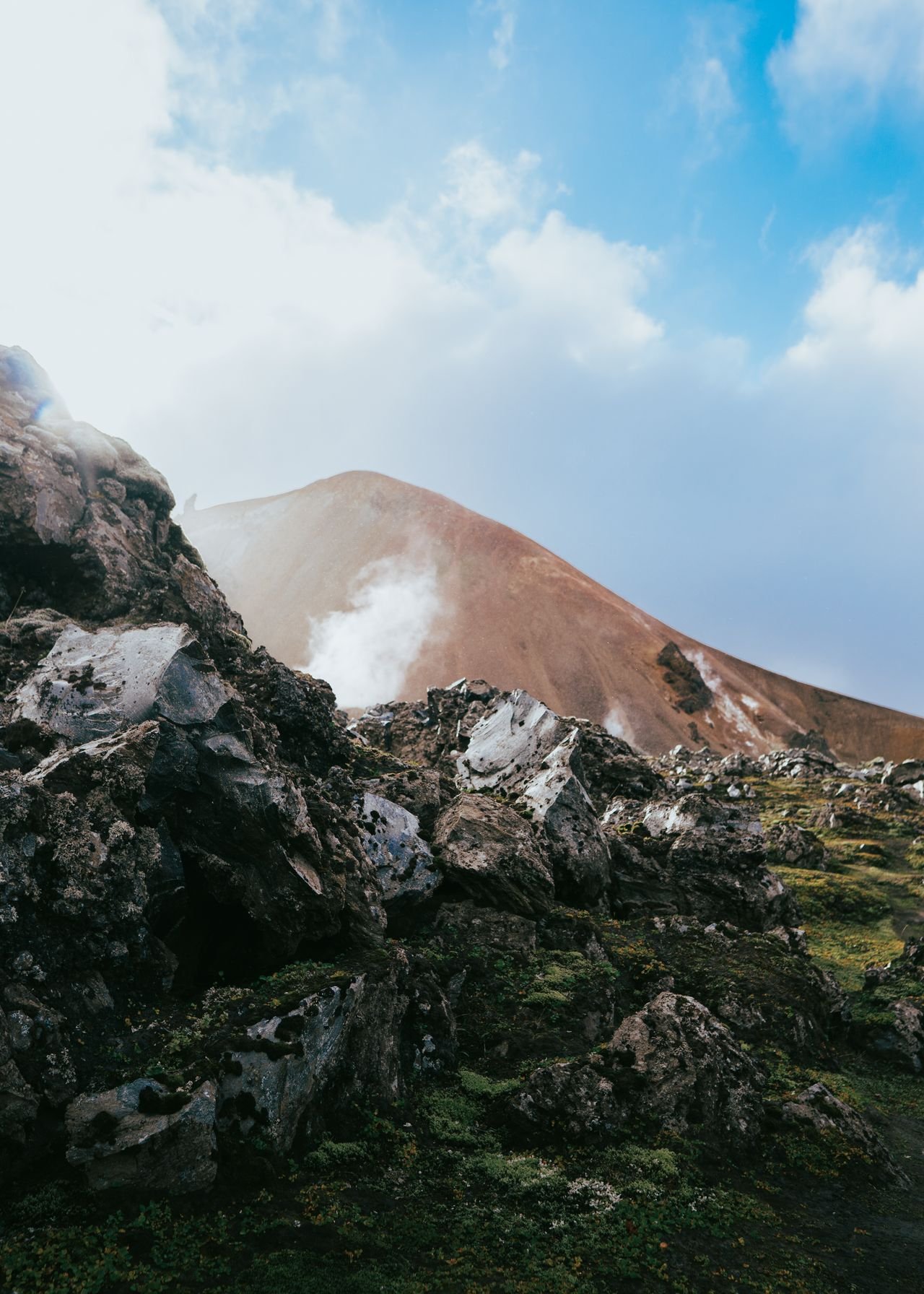
Iceland is built for drivers, but plenty of travellers skip the rental car, either to save money, avoid winter roads or because they would rather not drive at all. The honest summary: you can cover Reykjavík, the airport, a few big towns and the main sights by combining buses, ferries and day tours. You cannot cover the whole island on a bus pass alone. This guide shows what works, what it costs and where a tour is the smarter choice. For the other side of the decision, see our car rental guide and Golden Circle tour vs self-drive.
The short version
| Need | Best option | Approximate cost (2026) |
|---|---|---|
| Airport to Reykjavík | Flybus, or Strætó 55 | Flybus from ISK 3,999; Strætó 55 about ISK 2,400 |
| Around Reykjavík | Strætó city buses, walking | ISK 690 per ride |
| Reykjavík to Akureyri | Strætó 57 | About ISK 13,200 one way |
| South coast to Vík and Höfn | Strætó 52 (check 51) | Roughly ISK 8,400 to Vík, 17,400 to Höfn |
| Landmannalaugar, Þórsmörk | Highland bus (summer only) | About ISK 14,900-15,900 one way |
| Westman Islands | Herjólfur ferry | ISK 2,700 adult |
| Golden Circle, South Coast, Snæfellsnes | Day tour | See tours from Reykjavík |
Prices are approximate and as of 2026; operators change fares and timetables each season, so confirm on the operator site before you travel.
Getting from Keflavík Airport
Keflavík (KEF) is 50 km from the capital, and the bus is the standard way in. The Flybus (flybus.is) meets arriving flights and takes 45 to 55 minutes to the BSÍ terminal, with a hotel drop-off option for a surcharge. Strætó route 55 also links the airport and Reykjavík at around ISK 2,400, but it is slower and less frequent. Full prices and the taxi comparison are in our Keflavík airport transfer guide. To lock in a seat or a door-to-door ride after a late landing, you can pre-book an airport transfer.
Strætó in Reykjavík and the capital area
Strætó is the public bus operator. The capital-area adult single fare is ISK 690 as of 2026, and tickets work through the Klappið app or on board by card. Most visitors only need a handful of routes. Central Reykjavík is compact enough to walk, and the city buses mainly matter for the outskirts, for example route 14, which serves the Skarfabakki cruise terminal area (see our cruise ports guide). Services end late evening, and the nightlife crowd usually walks or takes a taxi.
Intercity Strætó: routes 51, 52, 55 and 57
Strætó also runs the countryside network, and the numbers have changed in recent years, so treat route numbers as something to verify:
- Route 51: per Strætó’s official route notice, Reykjavík to Selfoss, the gateway to the Golden Circle area. Several older guides still describe 51 as the south coast bus.
- Route 52: Reykjavík to Höfn via Vík, Skaftafell and Jökulsárlón, on a limited schedule, with fewer days in winter. Expect roughly 8,400 ISK to Vík and 17,400 ISK to Höfn according to third-party guides. See our Vík and Höfn guides for what to do on arrival.
- Route 55: Keflavík Airport to Reykjavík, mentioned above.
- Route 57: Reykjavík to Akureyri, the main northern link, with a journey of 5 to 6 hours.
Intercity services are infrequent, and winter timetables cut some departures. A bus to Vík may leave once or twice a day, so a missed connection can cost a night. Check the live timetable at straeto.is before booking accommodation, and use Omio to compare and book Iceland bus tickets where operators sell through it.
Highland buses: Trex and Reykjavík Excursions
Highland buses are the only public way into the interior for Landmannalaugar and Þórsmörk, which makes them essential for Laugavegur trail hikers. Trex (trex.is) lists daily Landmannalaugar buses from 19 June to 4 September and Þórsmörk buses from 21 June to 6 September in 2026, with Landmannalaugar one way around ISK 14,900-15,900 (its site shows both). Reykjavík Excursions (re.is, part of Icelandia) runs competing services on similar routes. Expect around 3.5 to 5 hours each way, and rivers on the route are forded by large 4x4 coaches. Outside roughly mid June to early September the F-roads are closed, so there is no bus option in winter. A Hikers Bus Pass is cheaper than two singles if you walk Laugavegur point to point.
Ferries
- Herjólfur (herjolfur.is): Landeyjahöfn to the Westman Islands, about 35 minutes, with several sailings a day and an adult fare of ISK 2,700 as of 2026. In rough weather it switches to Þorlákshöfn with a crossing of nearly three hours. Landeyjahöfn can be reached by bus connections on the south coast, but check timing.
- Baldur: crosses Breiðafjörður between Stykkishólmur and Brjánslækur, a useful link between Snæfellsnes and the Westfjords. Check the current fare and schedule on the operator site.
When a day tour beats the bus
Choose the bus for town-to-town moves. Choose a tour whenever the sight is not on a bus line:
- Golden Circle: Þingvellir, Geysir and Gullfoss are not served by any practical public route. A day tour is the simple answer.
- South Coast: Seljalandsfoss, Skógafoss and Reynisfjara are spread along Route 1 and a single tour beats waiting for a once-daily bus.
- Snæfellsnes: no regular bus service reaches the national park sights; a guided day is the realistic option.
- Northern lights: only possible by tour or car, as buses stop running before dark in the places that matter.
Compare departures and reviews on Reykjavík day tours, and book early in summer. If you are working out the real total, our Iceland budget guide shows how bus plus tour costs stack up against a rental car, and solo travel in Iceland covers how car-free solo travellers manage in practice. First-time visitors can also start with first time in Iceland.
A sample car-free week
Base yourself in Reykjavík for four nights and add day tours for the Golden Circle, South Coast and Snæfellsnes, with the Blue Lagoon on the way to or from the airport. Then take Strætó 57 or fly to Akureyri if you want the north. This costs less than a rental car plus fuel for a solo traveller or a couple in the shoulder season, and you avoid winter driving risk. Larger groups of three or four usually find that a rental car is cheaper.
Official sources
Check live timetables and fares with Strætó and Herjólfur, and road conditions at road.is before any highland trip.