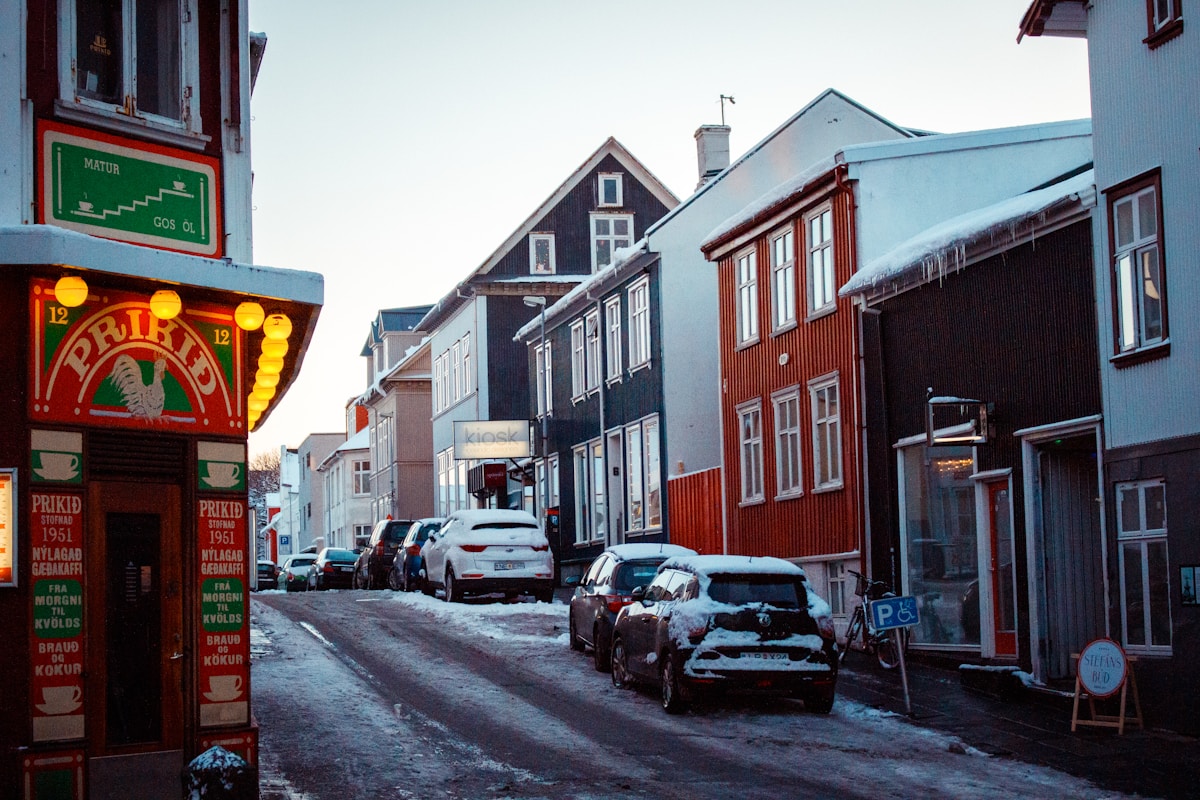
Iceland ranks as one of the world’s most peaceful and safest countries by virtually every international index. The Global Peace Index has ranked Iceland first (most peaceful) in the world for most of the past decade. Crime, particularly violent crime, is extremely rare by any standard. Tourists can generally travel without concern about theft, assault, or scams.
The genuine safety risks in Iceland are environmental.
Crime and Personal Safety
Violent crime: Extremely rare. Iceland has one of the lowest homicide rates in the world. The last homicide of a tourist in Iceland is difficult to find in recent records.
Theft: Petty theft exists in Reykjavík, particularly in tourist areas, but at low rates compared to any other European city. Normal precautions (don’t leave valuables in rental cars, use hotel safes for passports) are sufficient.
Scams: Very rare compared to most tourist destinations. Iceland doesn’t have the organised tourist scam culture present in some other destinations. Standard travel awareness is adequate.
Solo travel: Consistently reported as safe by solo travellers of all genders. The small population (400,000) and tight community structure means significant anonymity is absent outside Reykjavík. Our Iceland solo travel guide covers Ring Road logistics, geothermal pool social culture, and aurora hunting as an independent traveller.
Environmental Hazards - Take These Seriously
Sneaker Waves at Reynisfjara
Multiple tourists have drowned at Reynisfjara black sand beach. The Atlantic swells arrive without warning and run far higher up the beach than the visible waterline. Stay at least 30 metres from the waterline. Do not approach for photographs. Do not turn your back on the sea.
This is the single most significant tourist safety risk in Iceland. It is not exaggerated.
Weather
Iceland’s weather changes extremely rapidly. Conditions that are clear and warm in the morning can become storm-force wind and horizontal rain within an hour. For any outdoor activity:
- Check vedur.is before leaving
- Carry waterproofs even when it looks clear
- Have a contingency if conditions deteriorate
- Do not attempt exposed hikes in high winds
Driving
Iceland has specific driving hazards: single-lane bridges, gravel roads (speed limit 80km/h), sheep on roads, strong crosswinds affecting high-sided vehicles, and winter conditions (black ice, snowdrifts). Read the Iceland driving guide before picking up a rental car.
Winter driving: Requires experience, winter tyres (mandatory November–April, fitted to rental cars), and checking road.is daily.
Highland River Crossings
F-road river crossings can be extremely dangerous. Never attempt a crossing in a vehicle that isn’t appropriate, in high water, or if you’re not sure of the depth. Several tourist vehicles per year are swept off crossings.
Glaciers
Never walk on a glacier without a qualified guide. Crevasses are concealed and the terrain changes constantly.
Volcanic Activity
Iceland has active volcanic systems. The Reykjanes Peninsula has been in an eruption cycle since 2021. Eruptions can affect road access and air quality. Check vedur.is for volcanic activity alerts before driving in affected areas.
Emergency Services
Iceland’s emergency number is 112. Emergency services are well-equipped and response times are reasonable in populated areas. In remote highland areas, rescue operations take longer.
112 Iceland app: A GPS-linked emergency app that transmits your location to emergency services when you call 112. Download before travelling.
The Icelandic Association for Search and Rescue (ICE-SAR / Landsbjörg) runs voluntary mountain rescue teams and requests registration at safetravel.is for highland travel.
Get travel insurance for Iceland - policies covering glacier hikes, F-road driving, and volcanic disruption.
Pick up an Iceland eSIM before you travel - works on arrival and covers most of the Ring Road.
Browse Iceland tours - day trips, activity bookings, and multi-day packages across the country in one place.
Related Guides
- Iceland travel insurance - What cover you need for emergency evacuation, adventure activities, and medical care
- Iceland driving guide - Road safety, F-road rules, and winter driving conditions
- Iceland winter driving - Ice, snow, and storms - what to expect driving in winter
- Reynisfjara beach guide - Iceland’s most dangerous tourist site - sneaker waves and how to stay safe
- Iceland F-roads guide - Highland roads: which 4WD is needed, river crossings, and safety preparation
Plan Your Trip
✈️ Book your flights to Iceland 🛡️ Get travel insurance 📱 Stay connected with an eSIM 🚗 Rent a car